


Wall Batt Insulation: A Practical Guide to Better Energy Efficiency and Comfort
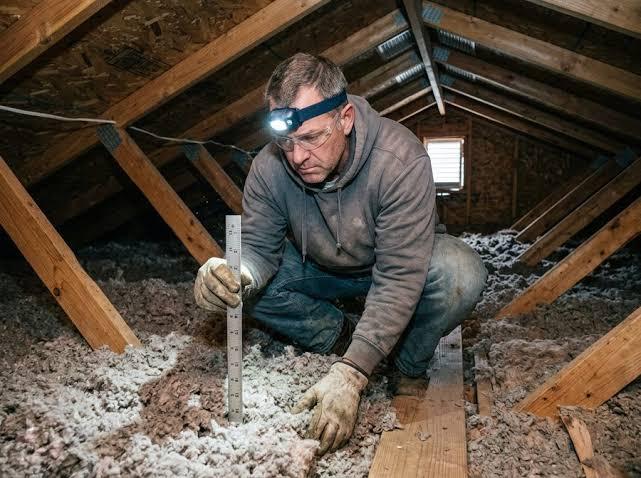
Wall batt insulation is a popular and practical way to improve the energy efficiency, comfort, and indoor climate of a building. Whether you are constructing a new home, renovating an older property, or upgrading an office or commercial space, choosing the right insulation can make a significant difference in how well the building performs.
Wall batt insulation is designed to fit between wall studs and create a thermal barrier that helps reduce heat transfer. It can be manufactured from materials such as fiberglass, mineral wool, or other insulating fibers. Because batt insulation comes in pre-cut sections or rolls, it is relatively easy to handle and install compared with some other insulation systems.
What Is Wall Batt Insulation?
Wall batt insulation is a type of insulation specifically designed to fit into the spaces between wall framing members. The material slows the movement of heat through walls, helping buildings stay warmer during cold weather and cooler during hot weather.
Fiberglass batts are among the most commonly used options because they are lightweight, widely available, and relatively affordable. Mineral wool batts are another popular choice and are valued for their durability, fire resistance, and sound-control properties.
The insulation is installed between studs before the interior wall surface, such as drywall, is finished. Proper installation is important because gaps, compression, or poorly fitted sections can reduce the insulation's overall performance.
How Does Wall Batt Insulation Work?
Heat naturally moves from warmer areas toward cooler areas. During winter, heat inside a building attempts to escape through walls, ceilings, windows, and other parts of the building envelope. During summer, outdoor heat can move into the building.
Wall batt insulation helps slow this heat transfer. The fibers or structure of the insulation contain small pockets of air that reduce the movement of heat. As a result, the heating and cooling system may not need to work as hard to maintain a comfortable indoor temperature.
The effectiveness of insulation is commonly described by its R-value, which measures resistance to heat flow. A higher R-value generally indicates greater resistance to heat transfer, although the appropriate insulation level depends on factors such as climate, wall construction, building codes, and the overall design of the structure.
Common Types of Wall Batt Insulation
There are several types of batt insulation available for wall applications.
Fiberglass Batt Insulation
Fiberglass is one of the most widely used insulation materials. It consists of fine glass fibers that trap air and help reduce heat transfer.
Fiberglass batts are available in different thicknesses and R-values. They are often selected for residential construction because they offer a balance between cost, availability, and performance.
Mineral Wool Batt Insulation
Mineral wool, sometimes called rock wool, is manufactured from mineral-based materials. It is dense and provides both thermal and acoustic insulation.
One of its major advantages is its resistance to high temperatures, making it an attractive option for projects where fire performance is an important consideration.
Cotton or Natural-Fiber Batts
Some insulation products are manufactured using natural or recycled fibers. These products can appeal to homeowners who are looking for alternative insulation materials with particular environmental characteristics.
The best choice depends on the building's requirements, local availability, budget, and applicable building standards.
Benefits of Wall Batt Insulation
Installing quality wall batt insulation can provide several benefits.
Improved Energy Efficiency
One of the main reasons people install wall insulation is to reduce unwanted heat transfer. Better-insulated walls can help reduce heating and cooling demands, potentially lowering energy consumption.
Greater Indoor Comfort
Insulation helps stabilize indoor temperatures by slowing heat movement through the walls. This can make rooms more comfortable throughout the year and reduce uncomfortable temperature differences between areas of a building.
Noise Reduction
Some batt insulation materials can also help reduce the transmission of sound through walls. Dense mineral wool, for example, can be useful in interior walls where reducing noise between rooms is important.
Easier Installation
Batt insulation is designed to fit between standard wall framing. When the correct size is selected, installation can be relatively straightforward for qualified installers.
Long-Term Performance
When correctly installed and protected from moisture and other damaging conditions, quality insulation can provide long-lasting thermal performance.
Why Proper Installation Matters
Even high-quality insulation may perform poorly if it is installed incorrectly. The batts should fit snugly into the wall cavities without excessive compression. Large gaps around electrical boxes, corners, pipes, and other obstacles should also be addressed appropriately.
Insulation should not simply be forced into spaces because compression can change its intended thickness and reduce performance. At the same time, leaving gaps can create areas where heat moves more easily through the wall.
Air sealing is another important part of a well-performing wall system. Insulation and air sealing serve different functions, so both should be considered when improving a building's energy efficiency.
Wall Batt Insulation and Moisture Control
Moisture management is an important consideration when installing wall insulation. Water intrusion, condensation, or prolonged exposure to moisture can damage some insulation materials and contribute to problems such as mold or deterioration of building components.
The correct approach depends on the local climate, wall assembly, exterior materials, and building design. Vapor control layers, weather-resistant barriers, drainage systems, and proper ventilation may all play a role in an effective wall system.
For this reason, insulation should be installed as part of a complete building-envelope strategy rather than considered as an isolated product.
Choosing the Right Wall Batt Insulation
When selecting wall batt insulation, consider several factors:
- R-value: Choose an appropriate thermal resistance for the wall assembly and climate.
- Material: Compare fiberglass, mineral wool, and other available options.
- Wall cavity size: The insulation should be compatible with the framing dimensions.
- Sound control: Consider denser materials if acoustic performance is important.
- Fire performance: Check product specifications and local requirements.
- Moisture conditions: Select an appropriate system for the building's environment.
- Installation requirements: Follow manufacturer instructions and applicable building codes.
- Budget: Compare initial cost with expected long-term energy performance.
A professional insulation contractor or building specialist can help determine which product and installation method are appropriate for a specific project.
Is Wall Batt Insulation Worth It?
For many buildings, wall batt insulation can be a cost-effective way to improve thermal performance. The potential benefits extend beyond energy savings because better insulation can contribute to improved comfort, reduced drafts, and better indoor sound control.
However, insulation performance depends on the entire wall assembly. Windows, doors, air leakage, roofing, ventilation, and heating and cooling systems can also affect a building's overall energy efficiency.
Therefore, homeowners and property owners should consider the building as a complete system when planning insulation upgrades.
Final Thoughts
Wall batt insulation remains a practical solution for improving the thermal performance of residential and commercial walls. With options such as fiberglass and mineral wool available in a range of sizes and performance levels, property owners can select materials that match their construction requirements and budget.
The key to getting the best results is choosing an appropriate R-value, using the right material for the application, and ensuring professional-quality installation. When combined with proper air sealing and moisture management, wall batt insulation can help create a more comfortable, energy-efficient, and durable building.

 Arabic
 French
 Spanish
 Portuguese
 Deutsch
 Turkish
 Dutch
Dutch
 Italiano
 Russian
 Romaian
 Portuguese (Brazil)
 Greek
Greek
