


Hardscaping Services in Dallas TX: Creating Functional and Beautiful Outdoor Spaces
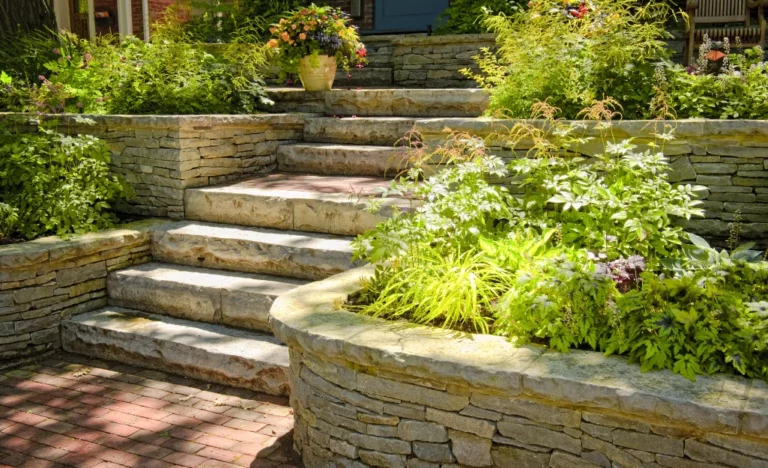
A well designed outdoor space can make a home more enjoyable, improve curb appeal, and provide additional room for everyday activities. In Dallas, homeowners and businesses often look for practical ways to make better use of patios, yards, walkways, driveways, and other outdoor areas. Hardscaping can provide the structure needed to turn an ordinary landscape into a comfortable and useful space.
Hardscaping includes permanent outdoor features made from materials such as concrete, stone, brick, and pavers. These features can complement plants and other landscape elements while creating areas for walking, entertaining, relaxing, and parking.
Choosing the right design and installation approach is important. A hardscape should not only look attractive after installation, but also fit the property, handle regular use, and work well with drainage and the surrounding landscape.
What Is Hardscaping?
Hardscaping refers to the nonliving parts of a landscape. While landscaping often focuses on grass, trees, flowers, and other plants, hardscaping focuses on constructed features that give an outdoor area shape and function.
Common examples include patios, walkways, retaining walls, driveways, outdoor steps, fire pit areas, seating areas, and paved surfaces. These features can be designed in many styles, from simple and modern to traditional and decorative.
Good hardscape design considers how people will use the space. A family may want a large patio for outdoor meals, while another homeowner may need a walkway that connects different parts of the yard. Businesses may need attractive entrances, accessible paths, or durable outdoor areas for customers and employees.
Why Hardscaping Matters in Dallas
Dallas properties experience hot summers, heavy rainfall at times, and changing soil conditions. These factors make proper planning important when installing permanent outdoor surfaces.
A hardscape that is poorly planned may develop drainage problems, uneven areas, or premature surface damage. Proper preparation and material selection can help create a more dependable result.
Hardscaping can also make an outdoor space easier to maintain. A paved seating area, for example, may require less routine care than a large section of lawn. At the same time, hardscape features can define planting areas and create a more organized appearance.
Popular Hardscaping Features for Dallas Properties
Different hardscape features serve different purposes. The best choice depends on the property's size, layout, style, and intended use.
Patios for Outdoor Living
A patio can create a dedicated area for outdoor dining, seating, entertaining, or relaxing. Concrete, pavers, brick, and natural stone can all be used to create different looks.
The size of a patio should be based on how it will be used. Homeowners should consider the amount of furniture they want, walking space, shade, and access to the house.
Drainage is also an important consideration. Rainwater should be directed away from structures and toward an appropriate drainage area.
Walkways and Garden Paths
Walkways provide a clear route between important areas of a property. A front walkway can make an entrance more inviting, while a backyard path can connect a patio with a garden or other outdoor feature.
A good walkway should be comfortable to use and appropriate for the surrounding landscape. Material, width, slope, and placement all affect how well the path works.
Driveways and Parking Areas
Driveways need to withstand regular vehicle traffic, weather exposure, and everyday wear. Concrete is a popular option because it can provide a durable and relatively low maintenance surface when properly designed and installed.
When considering concrete contractors in Dallas TX, property owners should look beyond the quoted price. The contractor should explain the planned preparation, materials, drainage, reinforcement when appropriate, finishing, and expected maintenance.
Local requirements may also apply depending on the property and project. Dallas County provides information about development and construction permits for applicable areas, while individual cities can have their own requirements. Property owners should confirm which rules apply before work begins.
Retaining Walls
Retaining walls can help organize sloped properties and create separate levels within a landscape. They may also be used to define planting areas or improve the usability of a yard.
However, a retaining wall that holds back soil should be properly planned. Drainage and the pressure created by soil can affect wall performance, particularly as wall height increases.
Outdoor Seating and Entertainment Areas
Built in seating, fire pit areas, outdoor kitchens, and other features can make a backyard more useful. These additions can be designed as part of a larger patio or hardscape project instead of being treated as separate features.
The goal should be to create an outdoor area that fits naturally with the house and supports the way the property is used.
Choosing Materials for a Hardscape Project
Material selection affects both appearance and performance. Concrete can provide a clean, versatile surface and can be finished in different ways. Pavers offer flexibility because individual pieces can be arranged in different patterns. Natural stone can create a distinctive appearance and work well with many landscape styles.
The right choice depends on more than appearance. Consider expected traffic, maintenance, budget, drainage, surrounding materials, and the architectural style of the property.
A material that works well for a garden walkway may not be the best choice for a heavily used driveway. Discussing these differences with an experienced professional can help homeowners make a more informed decision.
How Concrete Supports Hardscaping
Concrete is an important part of many hardscape projects. It can be used for patios, sidewalks, driveways, steps, slabs, and decorative surfaces.
Quality installation begins before the concrete is poured. The existing surface may need to be removed, graded, prepared, and compacted. The appropriate reinforcement and concrete specifications should be determined based on the intended use and project conditions.
Finishing also matters. The surface should be designed with the intended appearance and use in mind. Decorative options can provide additional visual interest, while a simple finish may be appropriate for a more practical project.
What to Expect From Professional Hardscaping Services
Professional hardscaping services in Dallas TX should begin with an evaluation of the property rather than an immediate focus on construction.
The contractor should understand the homeowner's goals, inspect the available space, and consider factors such as existing drainage, slopes, access, trees, irrigation, and utilities.
A professional project generally involves several important stages:
- Site evaluation, design, measurements, material selection, preparation, installation, and final inspection.
- Discussion of drainage, access, maintenance, project schedule, cost, and applicable local requirements before construction begins.
Clear communication throughout the process can reduce misunderstandings. A written proposal should explain what is included, what materials are being used, and what the property owner can expect from the finished project.
How to Choose the Right Contractor
Selecting a contractor is an important part of any outdoor construction project. Homeowners should look for relevant experience, clear communication, appropriate insurance, and a history of completed work.
It is useful to review examples of similar projects rather than relying only on general claims. A contractor who regularly builds patios may have different experience from one who primarily handles large concrete driveways.
Ask questions about the project before signing an agreement. A dependable contractor should be comfortable explaining the construction process in simple terms.
Homeowners can also compare several written estimates. The lowest estimate is not automatically the best value if important preparation, drainage, materials, or cleanup are missing from the scope.
Planning for Drainage
Drainage should be considered early, especially when adding large paved areas. Hard surfaces can change how rainwater moves across a property.
If water is directed toward the home, garage, neighboring property, or another unsuitable area, problems may develop over time. Proper grading and drainage planning can help control where water goes.
Existing drains, downspouts, irrigation systems, and natural slopes should be considered before construction begins. Addressing these factors during design is generally easier than correcting drainage problems after installation.
Maintaining Hardscape Features
Hardscape surfaces are durable, but regular care can help keep them looking good and functioning properly. Dirt, leaves, and other debris should be removed from surfaces and drainage areas.
Concrete and pavers should be checked periodically for cracks, movement, staining, or areas where water collects. Small issues may be easier to address before they become larger repairs.
Maintenance requirements vary by material. Homeowners should follow appropriate cleaning recommendations and avoid using products that could damage the surface.
Common Mistakes to Avoid
One of the most common mistakes is designing a hardscape based only on appearance. A beautiful surface may not perform well if drainage, soil conditions, or everyday use are ignored.
Another mistake is selecting materials without considering the purpose of the space. A surface that looks attractive may not be suitable for heavy vehicle traffic or frequent foot traffic.
Skipping the planning stage can also lead to unnecessary expenses. Before construction begins, property owners should understand the design, materials, drainage plan, expected timeline, maintenance requirements, and total project scope.
Making the Most of Your Outdoor Space
A successful hardscape should feel like a natural extension of the property. The colors, textures, shapes, and materials should complement the house and surrounding landscape.
Instead of adding features simply because they are popular, homeowners should focus on how the space will actually be used. A comfortable patio may provide more value than an oversized feature that rarely gets used.
Thoughtful design can also help connect different areas of a property. A walkway can lead from the driveway to the patio, while planting beds and lighting can soften the appearance of hard surfaces.
Conclusion
Hardscaping can bring structure, function, and lasting visual appeal to Dallas properties. Whether the goal is to create a comfortable patio, improve a walkway, update a driveway, or organize a sloped yard, proper planning and quality installation are essential.
When researching hardscaping services in Dallas TX or comparing concrete contractors in Dallas TX, homeowners should consider experience, materials, drainage, preparation, communication, and the overall scope of work rather than focusing only on price. A carefully planned project can create an outdoor space that is attractive, practical, and suited to the property for years to come.
For property owners seeking professional landscape and hardscape solutions in the Dallas area, Prestige Landscape offers design and installation services for outdoor spaces, including hardscaping, patios, concrete features, irrigation, and other landscape improvements.

 English
 Arabic
 Spanish
 Portuguese
 Deutsch
 Turkish
 Dutch
Dutch
 Italiano
 Russian
 Romaian
 Portuguese (Brazil)
 Greek
Greek
