


Cabin Crew Training After 12th: A Practical Guide to Starting Your Aviation Career
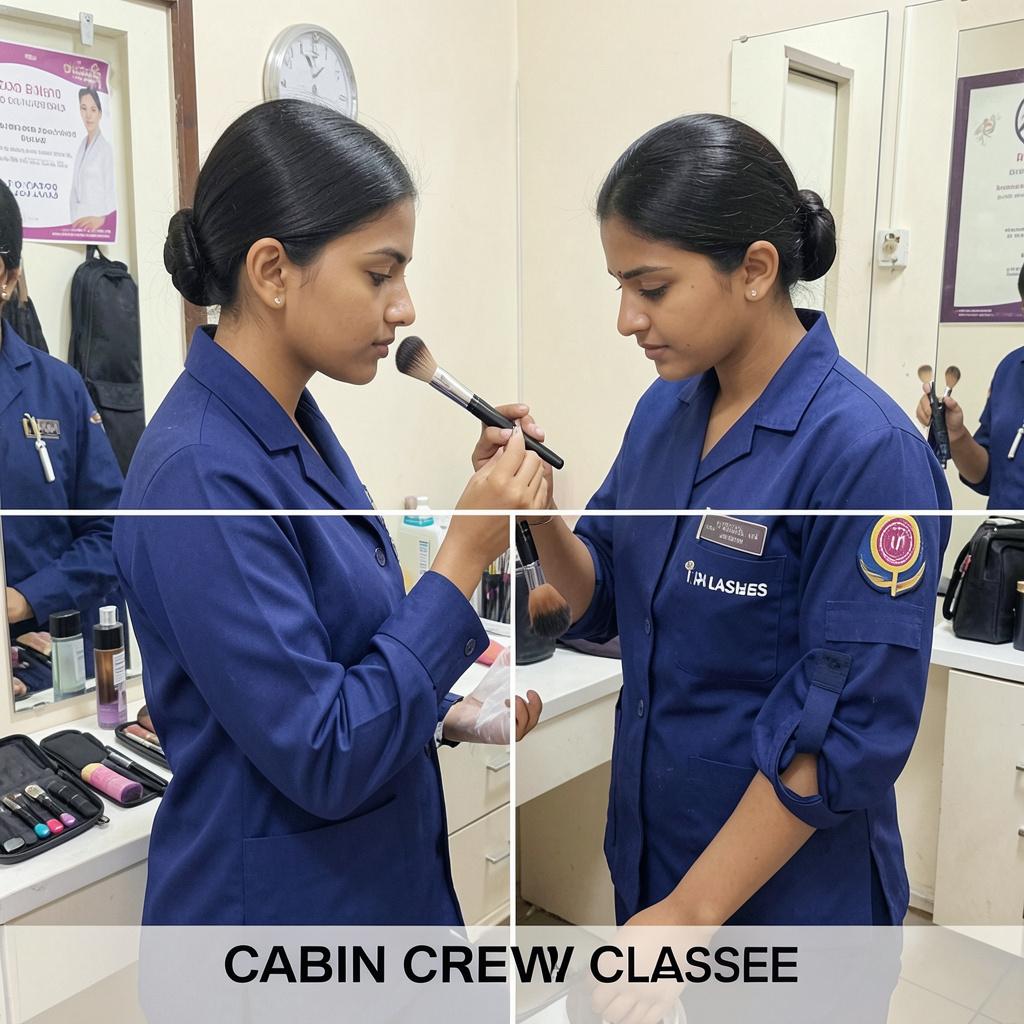
Finishing Class 12 is an exciting stage in a student’s life. It is also a time when many young people begin asking an important question: “What should I do next?” If you have always been fascinated by airports, aircraft, travel, meeting new people, and the energetic world of aviation, a career as cabin crew can be an exciting option to explore.
A cabin crew professional is much more than someone who welcomes passengers and serves meals. Cabin crew members are responsible for passenger safety, communication, comfort, service, and handling different situations calmly during a flight. Because of this, airlines look for candidates who have confidence, professionalism, good communication skills, and the right attitude.
For students who want to enter this field soon after school, Cabin Crew Training After 12th can provide a structured way to understand the aviation industry and develop the skills required for airline recruitment. AirStar International Academy, based in Thane, offers aviation-focused training that includes cabin crew preparation, grooming, communication, hospitality, passenger handling, safety awareness, and interview preparation.
Why Consider Cabin Crew as a Career After 12th?
Choosing a career after Class 12 can feel overwhelming because there are countless courses and professional paths available. Aviation stands out for students who enjoy interacting with people and prefer a dynamic working environment rather than a routine office job.
Cabin crew careers can provide opportunities to work with airlines, interact with passengers from different backgrounds, travel to different destinations, and develop valuable professional skills. The industry also gives individuals opportunities to improve their communication, customer service, teamwork, and leadership abilities.
However, it is important to understand that cabin crew work is not simply about travelling. Safety is one of the most important responsibilities of the profession. Crew members must remain alert, follow procedures, communicate clearly, and respond appropriately when unexpected situations occur.
This is why professional training can be useful. Instead of entering an airline interview without knowing what the industry expects, students can spend time developing the skills and confidence required for the recruitment process.
What Does Cabin Crew Training After 12th Include?
A good cabin crew program should focus on both professional knowledge and personality development. Students need to understand aviation etiquette while also becoming comfortable communicating with different types of people.
At AirStar International Academy, cabin crew-focused training includes areas such as grooming standards, personality development, communication skills, passenger handling, safety procedures, hospitality etiquette, and interview preparation.
Let us look at some of the important areas in greater detail.
1. Communication Skills
Communication is one of the most important abilities for cabin crew professionals. Every flight involves interaction with passengers, colleagues, senior crew members, airport teams, and other professionals.
Students learn how to communicate clearly, politely, and confidently. Good communication is not about using complicated English. It is about speaking in a way that passengers can understand while maintaining a calm and professional tone.
Training can also help students overcome hesitation and become more comfortable speaking in front of others.
2. Personality Development
Airlines expect cabin crew members to present themselves professionally. Confidence, body language, attitude, listening skills, and interpersonal behaviour all contribute to a professional personality.
Personality development sessions can help students identify areas where they need improvement. Someone who is naturally shy, for example, can gradually become more comfortable participating in conversations, presentations, group activities, and mock interviews.
The goal is not to change who you are. It is to help you bring out the qualities that are useful in a customer-facing aviation career.
3. Grooming and Professional Etiquette
Appearance matters in aviation because cabin crew members represent their airline throughout the passenger journey.
Professional grooming training can cover appropriate attire, personal presentation, posture, hygiene, hairstyle, accessories, and overall professional appearance. Students also learn how to maintain a polished appearance consistently.
But grooming is only one part of professionalism. Etiquette, respect, patience, and a positive attitude are equally important.
4. Passenger Handling
Every passenger is different. Some may be travelling for business, others for holidays, while some may be nervous about flying or travelling for the first time.
Cabin crew members must know how to interact with passengers respectfully while maintaining airline procedures. Training in passenger handling introduces students to customer service situations and teaches them how to approach common challenges professionally.
This can be especially valuable during airline interviews, where candidates may be asked how they would respond to difficult or unexpected passenger situations.
5. Safety Awareness
Safety is at the heart of cabin crew responsibilities. Cabin crew members need to understand the importance of following safety procedures and communicating instructions effectively.
Professional aviation training introduces students to the importance of safety awareness and emergency preparedness. AirStar’s cabin crew training specifically includes safety procedures as one of the areas of development.
Students should remember that cabin crew is a safety-oriented profession with a strong service component, not simply a hospitality job in the sky.
6. Interview Preparation
Clearing an airline interview requires more than having a good academic record. Candidates may need to demonstrate confidence, communication ability, teamwork, presentation, customer-service thinking, and a professional attitude.
Mock interviews can help students become familiar with the recruitment environment. Instead of facing an interview for the first time, they can practise answering common questions, introducing themselves, explaining their career goals, and responding to situational questions.
This practice can make a significant difference to confidence.
Is Cabin Crew Training Suitable for Every 12th-Pass Student?
A Class 12 qualification can be a starting point, but students should also consider whether the nature of the profession matches their personality and interests.
Cabin crew work can involve irregular schedules, long working hours, extended periods on your feet, frequent interaction with passengers, and responsibility for maintaining safety and service standards.
If you enjoy meeting people, communicating, helping others, travelling, and working in a fast-paced environment, the career may suit you well.
Students should also research individual airline requirements because eligibility criteria can vary between airlines and recruitment campaigns. Rather than assuming that every airline has exactly the same requirements, candidates should always check the current official recruitment criteria of the airline they want to join.
Why Practical Exposure Matters
Reading about aviation is useful, but practical exposure can make learning more meaningful.
A student may understand customer service concepts in a classroom, but interacting with people in a realistic environment can build a different level of confidence. That is why exposure visits, simulations, practical sessions, and industry interactions can be valuable parts of aviation education.
AirStar highlights airport and aviation industry visits, hands-on sessions, simulations, internship opportunities, and industry-oriented learning among its training benefits.
Such experiences can help students understand what professional aviation environments are actually like before entering the workforce.
Choosing the Right Cabin Crew Institute
The institute you choose can influence your learning experience, so avoid selecting a course only because of an attractive advertisement or a promise of a quick job.
Before enrolling, consider questions such as:
-
Does the institute provide practical training?
-
Are communication and personality development included?
-
Does the course cover interview preparation?
-
Are grooming and professional etiquette taught?
-
Is there exposure to airport or aviation environments?
-
Are trainers experienced in aviation or related industries?
-
Does the institute provide career guidance?
-
Are the course duration and fees clearly explained?
-
What kind of placement assistance is actually offered?
AirStar International Academy describes its approach as industry-oriented, with expert mentors, focused batches, practical exposure, airport visits, and career guidance. Its aviation and hospitality certification program is listed as a 12-month program for 12th-pass students and includes cabin crew etiquette, professional grooming, and airport exposure visits.
These are the kinds of details students should compare when evaluating different institutes.
The Importance of Confidence
One of the biggest changes students can experience during professional training is improved confidence.
Imagine a student who can understand English but feels nervous speaking in front of a group. After regular communication practice, presentations, group activities, and mock interviews, that student may become considerably more comfortable.
The same applies to body language and professional interaction.
Confidence does not appear overnight. It develops through repetition. This is why students should actively participate in classroom activities instead of simply attending lectures.
What Students Can Do Outside the Classroom
Training is only one part of preparation. Students can also work on themselves every day.
Reading newspapers and aviation-related articles can improve awareness and vocabulary. Watching professional interviews can help students understand how confident candidates communicate. Practising introductions in front of a mirror can improve body language.
Students can also practise answering questions such as:
“Why do you want to become cabin crew?”
“What does good customer service mean to you?”
“How would you handle an unhappy passenger?”
“Why should an airline hire you?”
“What are your strengths?”
“What would you do if you made a mistake at work?”
The objective is not to memorise perfect answers. Instead, students should learn how to express their thoughts naturally and professionally.
Cabin Crew Training Is About More Than Getting a Job
It is tempting to think of professional training simply as a shortcut to employment. In reality, the best training should help students develop skills that remain useful throughout their careers.
Communication, teamwork, customer service, problem-solving, grooming, confidence, punctuality, and professional discipline are valuable in almost every aviation role.
Even if a student later decides to move into airport operations, hospitality, travel management, or another aviation-related field, these skills can continue to be useful.
AirStar’s broader aviation programs include cabin crew, hospitality, airline preparation, pilot ground school, and airport ground staff training, allowing students to explore different areas of the aviation industry.
Starting Your Aviation Journey After 12th
For a student standing at the beginning of their career journey, aviation can look both exciting and intimidating. There are new terms to learn, professional standards to understand, interviews to prepare for, and confidence to build.
The right training environment can make that transition easier.
A structured Cabin Crew Training After 12th program gives students an opportunity to develop communication skills, understand passenger service, improve professional grooming, learn about safety, practise interviews, and become familiar with the expectations of the aviation industry.
AirStar International Academy in Thane focuses on aviation and hospitality education and offers cabin crew training alongside other aviation programs. The academy states that its approach includes mentorship, practical exposure, focused batches, and career preparation.
For students who are serious about building a career in aviation, the journey should begin with realistic expectations, consistent learning, and the willingness to improve.
Final Thoughts
Becoming cabin crew after Class 12 can be an exciting career choice for students who enjoy people, travel, hospitality, teamwork, and the fast-moving aviation environment. But passion alone is not enough. Professionalism, communication, safety awareness, confidence, discipline, and customer-service skills are all important.
That is where quality training can make a difference.
If you are exploring aviation as a career after school, take time to understand the profession, compare training institutes, check current airline eligibility requirements, and choose a program that focuses on genuine skill development rather than promises alone.
For students in and around Mumbai and Thane, AirStar International Academy provides aviation-focused training designed to help aspiring cabin crew professionals develop the knowledge, confidence, grooming, communication, and interview skills needed to pursue opportunities in the airline industry.
Your aviation career does not begin when you step onto your first aircraft. It begins much earlier—with the decision to learn, improve yourself, and prepare seriously for the opportunities ahead.

 English
 Arabic
 French
 Portuguese
 Deutsch
 Turkish
 Dutch
Dutch
 Italiano
 Russian
 Romaian
 Portuguese (Brazil)
 Greek
Greek
