


The Art of Mixing Vintage Home Decor with Modern Minimalism
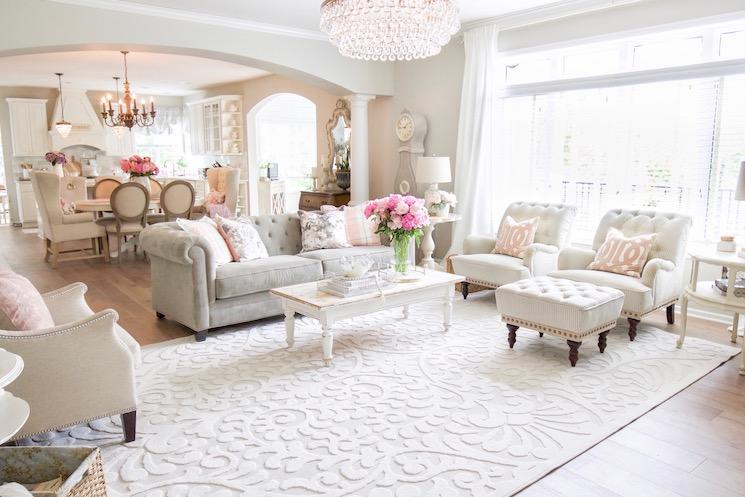
Combining vintage character with modern minimalism can create a home that feels warm, sophisticated, and genuinely personal. Vintage pieces introduce craftsmanship, history, texture, and individuality, while minimalist design keeps the environment organized and visually calm. The two styles may appear different at first, but they can work together when each element has a clear purpose. Rather than filling a room with antiques, the goal is to select meaningful pieces and surround them with simple contemporary forms. This approach creates an interior that feels collected over time without becoming cluttered or tied to a single decorating era.
Understanding the Relationship Between Vintage and Minimalist Design
Modern minimalism takes a different approach by emphasizing clean lines, useful objects, open space, and visual restraint. Instead of treating these principles as opposites, homeowners can use them to create contrast within the same room. Vintage home decor often celebrates materials, craftsmanship, distinctive silhouettes, and signs of age that give objects their individual character. A beautifully aged wooden cabinet can become more noticeable when placed against a simple wall with limited decoration. Similarly, contemporary furniture can feel warmer and more inviting when balanced with vintage materials and handcrafted details.
The key is not to divide a room equally between vintage and modern pieces. One style can establish the foundation while the other provides accents and contrast. For example, a minimalist living room might include one antique side table, a vintage mirror, or an older wooden chair as a focal point. In another space, a collection of vintage furniture can be balanced with modern lighting and simplified accessories. When the proportions feel intentional, the result appears sophisticated rather than confused.
Start With a Simple and Neutral Foundation
A neutral background provides one of the easiest ways to make vintage pieces feel current. Walls in soft white, cream, beige, warm gray, or muted earth tones can allow older furniture to stand out without competing with strong patterns. Simple flooring and uncluttered surfaces further reinforce the minimalist side of the design. This creates visual breathing room around furniture with distinctive shapes, aged finishes, or detailed craftsmanship. A calm foundation is especially helpful when a vintage piece already has a strong visual presence.
Neutral does not have to mean boring or completely colorless. Natural wood, woven fabrics, ceramics, artwork, and plants can introduce warmth without creating excessive visual noise. A muted accent color can also be repeated through a cushion, rug, artwork, or small accessory to connect different pieces. The important point is to control the number of competing colors. A restrained palette allows vintage furniture to remain the focus while contemporary elements provide balance.
Select Vintage Pieces With Intention
Successful minimalist interiors depend heavily on careful selection, so avoid bringing home every vintage item that catches your attention. Instead, look for pieces that offer genuine character, practical value, quality construction, or personal meaning. A beautifully crafted cabinet can provide both storage and visual interest, while a vintage chair may add an unusual silhouette to an otherwise simple room. Fewer distinctive pieces usually have greater impact than many unrelated objects. This selective approach also makes the room easier to maintain and prevents vintage decor from becoming clutter.
When buying vintage furniture, condition and construction deserve careful attention. Examine joints, wood surfaces, hardware, upholstery, structural stability, and signs of previous repairs before purchasing. Natural wear can contribute to the charm of an older piece, but serious structural damage may require expensive restoration. Researching the maker, approximate age, materials, and construction methods can also provide valuable context. A reputable seller should be transparent about restoration work and any significant changes made to the furniture.
Make the Vintage Dining Table and Chairs a Focal Point
A vintage dining table and chairs can provide an excellent foundation for a room that combines historical character with contemporary simplicity. Look for a table with attractive proportions, strong construction, and a finish that complements the rest of the interior. Wooden tables with visible grain can introduce warmth, while distinctive chair silhouettes can add personality without requiring excessive decoration. Surrounding these pieces with simple walls, modern lighting, and restrained accessories can make the dining area feel fresh. The furniture becomes the central character while the rest of the room provides visual support.
Comfort and functionality should remain important when selecting dining furniture. Measure the table carefully and make sure there is enough room for chairs to move comfortably without blocking nearby pathways. If original chairs are uncomfortable or structurally weak, professional restoration or carefully selected replacement seating may be worth considering. Mixing vintage chairs with a contemporary table can also create an interesting look when proportions and materials work together. The goal is to preserve the character of vintage design while creating a dining space that works comfortably for everyday meals.
Mix Materials to Create Visual Depth
Material contrast can make vintage and minimalist elements feel naturally connected. A warm wooden cabinet can be paired with a contemporary metal lamp, while an older leather chair can work beside a glass or stone table. Linen, wool, ceramic, natural fibers, and brushed metals can add texture without requiring additional furniture. This creates visual interest through surfaces rather than excessive decoration. In minimalist interiors, material variation is often more effective than filling the room with accessories.
Wood is particularly useful for bridging the two styles because it can feel both traditional and contemporary. Older timber furniture may show grain variation, patina, and small imperfections that add warmth to clean modern spaces. Contemporary finishes can provide contrast through smooth metal, clear glass, or refined upholstery. Try repeating one or two materials across the room to establish continuity. This makes different furniture styles feel related without requiring exact matching.
Balance Furniture From Different Eras
Mixing furniture from multiple decades can prevent a room from feeling like a historical recreation. A mid-century cabinet can work with a contemporary sofa, while an antique table can sit beneath a modern pendant light. Similar proportions, finishes, colors, or silhouettes can help bridge the differences between periods. This approach makes the room feel as though it developed naturally rather than being purchased as a complete themed collection. It also gives homeowners greater flexibility when incorporating furniture they already own.
Scale is particularly important when combining older and newer furniture. Large vintage cabinets can dominate a small room, while delicate antique tables may look insignificant beside oversized contemporary seating. Measure major pieces before bringing them home and consider both their physical dimensions and visual weight. Leave adequate space around statement furniture so its shape remains easy to appreciate. Good scale and proportion often create stronger harmony than matching styles.
Use Accessories Sparingly
Minimalist decorating does not mean eliminating personality, but it does require discipline when choosing accessories. A few carefully selected vintage objects can provide more impact than a large collection of small decorations. Consider using old books, ceramic vessels, framed artwork, clocks, mirrors, or handcrafted objects where they support the overall composition. Group related pieces rather than scattering them randomly across every available surface. Empty space is useful because it allows distinctive objects to stand out.
Personal belongings can make a mixed-style home feel authentic. Family heirlooms, travel finds, handmade pieces, and meaningful artwork can add emotional depth that generic decorations cannot provide. However, displaying everything at once can weaken the minimalist atmosphere. Rotate collections seasonally or occasionally store less important pieces so the room remains visually calm. This allows you to enjoy meaningful objects without allowing them to overwhelm the furniture.
Use Modern Lighting to Refresh Vintage Spaces
Lighting is one of the simplest ways to make vintage furniture feel contemporary. A streamlined pendant light above an old dining table can create a striking contrast, while a modern floor lamp can highlight a vintage cabinet or reading chair. Layered lighting also improves functionality by combining ambient, task, and accent illumination. This is particularly valuable in dining and living areas that serve multiple purposes. Carefully positioned light can reveal the texture, grain, and craftsmanship of older furniture.
Natural light should also be considered when arranging valuable vintage pieces. Strong direct sunlight can gradually affect wood finishes, fabrics, photographs, and artwork. Curtains, blinds, or other window treatments can help manage glare while preserving a bright atmosphere. Furniture placement should balance visual presentation with practical protection. A thoughtful lighting plan can make a room feel larger, highlight important objects, and create a comfortable atmosphere without adding unnecessary decoration.
Incorporate Contemporary Comfort
While vintage furniture provides character, modern homes still need to support contemporary lifestyles. A beautiful old chair may look appealing but may not provide enough support for long periods of use. Likewise, an antique cabinet may need to coexist with modern electronics, storage needs, or household equipment. Combining historic pieces with contemporary ergonomic seating, efficient storage, and practical lighting can create a more comfortable environment. The objective is not to sacrifice everyday usability for the sake of visual authenticity.
Modern comfort can be introduced subtly without undermining the vintage character of the room. Add contemporary cushions, carefully selected upholstery, practical rugs, or updated lighting where necessary. If an important vintage piece requires restoration, consult an experienced professional before making major changes. Preserving original materials and construction can be important for historically significant furniture. For less valuable pieces, practical updates may be appropriate when they improve comfort while retaining the item's defining character.
Avoid Common Design Mistakes
One of the biggest mistakes is adding too many vintage items simply because they appear attractive individually. A room can quickly become visually heavy when every surface contains antique furniture, patterned textiles, and decorative objects. Another common mistake is forcing every piece to match the same historical period. Minimalist interiors usually work better when there is contrast and variation. Select a few strong vintage elements and allow modern pieces and open space to balance them.
It is also important not to confuse minimalism with a complete lack of warmth. Removing every accessory, texture, or personal object can make a room feel sterile rather than sophisticated. Vintage home decor is valuable partly because it introduces evidence of craftsmanship and personal history. Use those qualities selectively instead of hiding them behind excessive simplicity. The most successful rooms usually combine practical restraint with enough texture and personality to feel comfortable.
Create a Timeless and Personal Home
The art of mixing vintage and modern design is ultimately about creating relationships between pieces rather than following a strict decorating formula. Choose vintage furniture for its craftsmanship, character, functionality, or personal significance, then surround it with contemporary elements that provide comfort and visual clarity. A vintage dining table and chairs can become a memorable centerpiece when paired with modern lighting and restrained accessories. Natural materials, neutral colors, and thoughtful proportions can connect furniture from different periods. The finished interior should feel collected, balanced, and easy to live in.
A successful vintage-modern home does not need to look perfect or belong entirely to one design era. Small imperfections, aged finishes, and personal belongings can make the space feel genuine and welcoming. At the same time, careful editing keeps the room from becoming crowded or visually confusing. By selecting fewer but more meaningful pieces, you can preserve the character of vintage furniture while embracing the simplicity of modern living. The result is a timeless interior where history and contemporary design complement each other naturally.

 Arabic
 French
 Spanish
 Portuguese
 Deutsch
 Turkish
 Dutch
Dutch
 Italiano
 Russian
 Romaian
 Portuguese (Brazil)
 Greek
Greek
