


Can Sleeping Pills Diazepam Help With Sleep? A Patient Guide
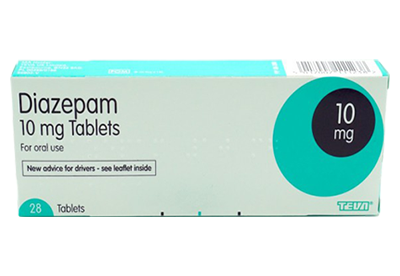
If you are searching for sleeping pills Diazepam, you may be wondering whether diazepam can actually help you sleep. The short answer is that diazepam can make you feel sleepy because it has a calming and sedative effect, but it is not simply a standard sleeping tablet and is not generally suitable as a long-term solution for insomnia.
In the UK, diazepam is a prescription-only benzodiazepine used for several medical conditions, including severe anxiety associated with symptoms such as insomnia. NHS guidance states that diazepam should normally be used only for a short period because longer use can lead to dependence and withdrawal problems.
This guide explains how diazepam can affect sleep, why it requires careful medical supervision and what patients should consider before seeking prescription treatment.
What Is Diazepam?
Diazepam belongs to a group of medicines called benzodiazepines. It affects activity in the central nervous system and can produce calming, relaxing and sedative effects.
According to the NHS, diazepam may be prescribed for conditions including severe anxiety, seizures and muscle spasms. It can also be used as a sedative in certain medical situations.
Because diazepam can cause drowsiness, some people may associate it with sleeping pills diazepam. However, whether it is appropriate for someone experiencing insomnia depends on the underlying problem and an individual's medical circumstances.
Can Sleeping Pills Diazepam Help With Sleep?
Diazepam can make a person sleepy, which may make it easier to fall asleep in some circumstances. However, that does not mean diazepam is appropriate for everyone with insomnia.
In UK prescribing practice, benzodiazepines may be considered for severe, disabling anxiety associated with insomnia or certain short-term situations. The NHS specifically advises that diazepam should be used short term, generally for up to four weeks.
The important distinction is between a medicine that causes sedation and a medicine specifically selected to manage insomnia. A doctor will consider why you are having difficulty sleeping before deciding whether medication is appropriate.
Persistent sleep problems can sometimes be linked to anxiety, depression, physical health conditions, medicines, alcohol or lifestyle factors. Addressing the underlying cause may be more useful than simply treating sleepiness.
How Does Diazepam Affect the Brain?
Diazepam works partly by enhancing the effects of a natural chemical messenger called gamma-aminobutyric acid (GABA).
GABA helps reduce certain types of activity in the brain. By increasing GABA's calming effects, diazepam can reduce nervous-system activity and produce effects such as:
-
Relaxation
-
Reduced anxiety
-
Sleepiness
-
Reduced muscle tension
-
Reduced alertness
These effects explain why someone taking diazepam may feel calmer or more tired. However, the same sedative effects can also cause unwanted daytime drowsiness, impaired concentration and reduced coordination.
Why Isn't Diazepam Usually a Long-Term Sleeping Treatment?
One of the main concerns with diazepam is dependence.
With regular use, the body can become accustomed to the medicine. Over time, tolerance may develop, while stopping after continued use can result in withdrawal symptoms.
The NHS states that diazepam should only be used short term, up to four weeks, because longer treatment can cause addiction and withdrawal symptoms.
Long-term benzodiazepine use can also be associated with problems such as excessive sedation and impaired cognitive function. NHS England highlights dependence and withdrawal as important considerations when managing medicines associated with dependence.
This is why diazepam should not be treated as an everyday sleeping solution without ongoing medical review.
Diazepam and Sleep: Important Safety Considerations
If a healthcare professional prescribes diazepam, it is important to follow the instructions carefully.
Alcohol
Alcohol should be avoided while taking diazepam. Combining the two can increase sedative effects and may increase the risk of serious side effects.
Other medicines
Some medicines can increase drowsiness when taken with diazepam. These include certain antihistamines, antidepressants, antipsychotic medicines and other medicines that affect the central nervous system.
Always tell your doctor or pharmacist about other medicines, supplements or remedies you use.
Driving
Diazepam can make you sleepy and less alert. The NHS advises not to drive, cycle or use tools or machinery until you know how the medicine affects you.
Older adults
Older people may be particularly vulnerable to medicine-related drowsiness, impaired coordination and falls. A healthcare professional can assess whether diazepam is appropriate and whether additional precautions are necessary.
Can Diazepam Cause Dependence?
Yes. Diazepam can cause dependence, particularly when taken regularly or for longer than recommended.
Dependence means the body can become accustomed to the medicine. When someone who has been taking it regularly stops suddenly, withdrawal symptoms may occur.
Possible withdrawal symptoms can include:
-
Anxiety
-
Restlessness
-
Sleep difficulties
-
Physical discomfort
-
Increased nervousness
The NHS advises that diazepam should not be stopped suddenly after regular use. Doctors may gradually reduce the dose to help manage withdrawal.
If you are already taking diazepam regularly, speak with your prescriber before making changes to your treatment.
What Can Help With Sleep Problems?
Medication is not always the first approach to insomnia. Improving sleep habits can be useful, particularly when sleep problems are related to an inconsistent routine or lifestyle factors.
Helpful measures may include:
-
Going to bed and waking at consistent times
-
Creating a relaxing bedtime routine
-
Limiting caffeine later in the day
-
Avoiding alcohol close to bedtime
-
Reducing screen use before bed
-
Keeping the bedroom comfortable, dark and quiet
-
Avoiding long daytime naps
If sleep problems continue, a healthcare professional can assess possible underlying causes and discuss appropriate treatment options.
UK NHS guidance on sleep medicines also emphasises short-term use of hypnotic medicines and practical measures to improve sleep.
What to Consider Before You Buy Diazepam
People searching for buy Diazepam should remember that diazepam is a prescription-only medicine in the UK. A legitimate treatment pathway should involve appropriate clinical assessment rather than simply supplying the medicine without checking whether it is suitable.
When considering an online healthcare service, look for clear information about the prescribing process, professional oversight and pharmacy arrangements. Be cautious of websites that offer prescription medicines without appropriate medical checks or make claims about guaranteed results.
The goal should not simply be to obtain diazepam. The more important question is whether the medicine is clinically appropriate for your particular symptoms and circumstances.
Frequently Asked Questions
Is diazepam a sleeping pill?
Diazepam is a benzodiazepine rather than a conventional sleeping tablet. Although it can cause drowsiness, it has several medical uses and should only be prescribed when clinically appropriate.
Can diazepam make you sleepy?
Yes. Drowsiness is a common effect of diazepam. It can also reduce alertness and coordination.
Is diazepam suitable for long-term insomnia?
Generally, diazepam is not intended as a long-term solution for insomnia. Its potential for dependence and withdrawal means treatment should be short term and medically supervised.
Can diazepam cause dependence?
Yes. Regular or prolonged use can result in dependence. Anyone taking diazepam regularly should discuss stopping or reducing it with their prescriber.
Can I drink alcohol while taking diazepam?
No. The NHS advises avoiding alcohol while taking diazepam because it can increase the risk of side effects and excessive sedation.
Should I stop diazepam if it makes me too sleepy?
Do not change or stop regular treatment without speaking to your doctor or pharmacist. If you experience severe drowsiness or other concerning symptoms, seek medical advice promptly.
Conclusion
So, can sleeping pills Diazepam help with sleep? Diazepam can cause sleepiness because of its calming effects on the nervous system, but it is not simply a general-purpose sleeping tablet. In the UK, it is a prescription-only benzodiazepine that may be used in specific short-term situations, including severe anxiety associated with insomnia.
Its potential for drowsiness, dependence and withdrawal means it should be used carefully and only according to professional advice. If you are experiencing ongoing insomnia, discussing the underlying cause with a healthcare professional is usually more appropriate than trying to manage the problem by obtaining sedating medication yourself.
If you are researching buy Diazepam, make sure any treatment comes through an appropriate UK prescription pathway with proper clinical assessment and professional oversight.
Medical disclaimer: This article is for general educational purposes only. It does not provide personal medical advice, diagnosis or treatment recommendations. Speak with a qualified UK healthcare professional or pharmacist for advice based on your individual circumstances.
Surce: https://pharmnexa.wordpress.com/2026/08/12/can-sleeping-pills-diazepam-help-with-sleep-a-patient-guide/

 English
 Arabic
 French
 Spanish
 Portuguese
 Deutsch
 Turkish
 Dutch
Dutch
 Italiano
 Russian
 Romaian
 Portuguese (Brazil)
