


Hotel Pool Services: Everything Hotels Need to Know
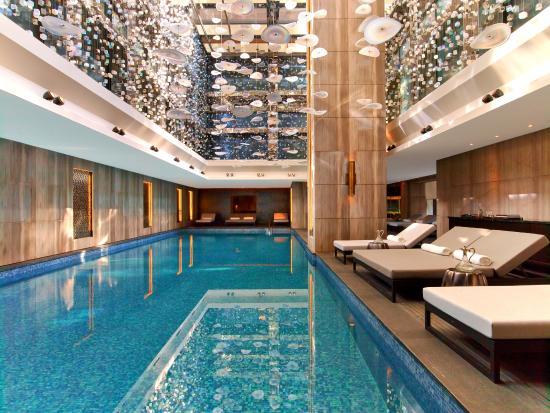
A swimming pool is often one of the first amenities travelers look for when booking a hotel. Whether guests want to relax after a long day or families need entertainment during their stay, a clean and well-maintained pool creates a lasting impression. Poor maintenance, on the other hand, can quickly lead to complaints, negative reviews, and expensive repairs.
Professional Hotel Pool Services help hotels maintain safe, attractive, and fully functional swimming pools throughout the year. From water testing to equipment inspections, these services ensure guests enjoy a pleasant experience while hotel owners protect their investment.
Why Pool Maintenance Matters for Hotels
Unlike residential pools, hotel pools experience frequent use every day. Hundreds of guests may enter the water over a short period, making cleanliness and water quality a constant priority.
Routine maintenance helps prevent:
· Cloudy or dirty water
· Harmful bacteria growth
· Equipment failures
· Safety hazards
· Unexpected repair costs
Hotels that consistently maintain their pools often receive better guest reviews because visitors notice clean facilities and appreciate a pleasant swimming environment.
What Professional Pool Maintenance Includes
Hotel Pool Services, a complete maintenance plan covers much more than simply removing leaves from the water. Professional technicians inspect every part of the pool to ensure everything operates correctly.
Common services include:
Water Testing
Balanced water chemistry protects swimmers while extending the life of pool equipment. Regular testing checks:
· pH levels
· Chlorine concentration
· Alkalinity
· Calcium hardness
· Total dissolved solids
Adjustments are made whenever necessary to keep the water safe.
Pool Cleaning
Daily cleaning removes debris before it becomes a bigger problem. This usually includes:
· Skimming floating debris
· Vacuuming the pool floor
· Brushing pool walls
· Cleaning tile lines
· Emptying skimmer baskets
Consistent cleaning keeps the water inviting and prevents algae buildup.
Filter Maintenance
Filters capture dirt, oils, and small particles that would otherwise remain in the water. Dirty filters reduce circulation and place extra strain on the pump.
Technicians clean or replace filters according to manufacturer recommendations to maintain efficient operation.
Pump and Equipment Inspection
The pump serves as the heart of the swimming pool system. During inspections, professionals check:
· Pump performance
· Valves
· Pressure gauges
· Heaters
· Automatic chemical feeders
· Pool lighting
Finding small issues early helps avoid costly breakdowns later.
Benefits of Hiring Professional Maintenance Companies
Some hotels employ in-house maintenance staff, but pool care requires specialized knowledge. Professional technicians stay updated on industry standards and understand how to manage commercial swimming pools safely.
Some key benefits include:
Better Water Quality
Guests immediately notice crystal-clear water. Proper chemical balance reduces odors, irritation, and cloudy conditions while creating a healthier swimming environment.
Improved Guest Satisfaction
Visitors often photograph hotel pools and share their experiences online. A sparkling pool contributes to positive reviews, repeat bookings, and stronger recommendations.
Longer Equipment Life
Regular inspections help pumps, heaters, filters, and plumbing last much longer. Preventive maintenance is usually far less expensive than emergency replacements.
Regulatory Compliance
Hotels must often comply with local health department regulations regarding commercial pools. Professional maintenance companies understand these requirements and help properties stay compliant during inspections.
Common Pool Problems Hotels Face
Even well-maintained pools occasionally develop issues. The most common problems include:
Algae Growth
Warm temperatures and poor chemical balance create ideal conditions for algae. Green water quickly discourages guests from using the pool.
Cloudy Water
Cloudiness usually results from poor filtration, improper chemical levels, or heavy pool usage.
Chemical Imbalance
Too much chlorine may irritate swimmers, while too little allows bacteria to multiply.
Equipment Failure
Pumps, heaters, and filtration systems naturally wear over time. Regular inspections reduce unexpected shutdowns during busy seasons.
Seasonal Maintenance Requirements
Hotels located in warm climates may operate pools year-round, while colder regions require seasonal preparation.
Spring maintenance typically includes:
· Deep cleaning
· Equipment testing
· Chemical balancing
· Surface inspections
Before winter, technicians may:
· Lower water levels
· Protect plumbing
· Cover the pool
· Store removable equipment
Seasonal care helps prevent weather-related damage.
Safety Should Always Come First
Guest safety should remain the highest priority for every hotel. Maintenance extends beyond clean water.
Professionals also inspect:
· Pool drains
· Safety railings
· Ladders
· Non-slip surfaces
· Warning signs
· Emergency equipment
Simple inspections reduce accident risks and improve guest confidence.
Signs Your Hotel Needs Professional Attention
Hotel managers should never ignore warning signs that indicate maintenance problems.
Watch for:
· Strong chlorine smell
· Murky water
· Slippery pool walls
· Frequent equipment shutdowns
· High energy bills
· Guest complaints about water quality
· Addressing these issues early usually prevents larger expenses.
Choosing the Right Pool Maintenance Company
Not every maintenance provider has experience with commercial hospitality properties. Before signing a contract, consider several important factors.
Look for companies that offer:
· Experience with commercial pools
· Licensed and trained technicians
· Emergency repair services
· Flexible maintenance schedules
· Detailed inspection reports
· Transparent pricing
Reading client reviews and asking for references can also help identify reliable providers.
Questions Hotels Should Ask Before Hiring
Before making a decision, hotel managers should ask questions such as:
· How often will technicians visit?
· What is included in each service?
· Are emergency repairs available?
· Do you provide maintenance records?
· Can services be customized for seasonal demand?
Clear communication helps prevent misunderstandings later.
Preventive Maintenance Saves Money
Many hotel owners focus on fixing equipment only after it breaks. While this may seem cost-effective initially, emergency repairs usually cost much more than routine inspections.
Preventive maintenance helps reduce:
· Major equipment replacements
· Pool closures
· Guest compensation claims
· Water waste
· High utility costs
A consistent maintenance schedule keeps operations running smoothly throughout the year.
Supporting a Positive Guest Experience
Guests expect hotel amenities to meet high standards. A clean, inviting swimming pool encourages visitors to spend more time on the property, increasing overall satisfaction.
Families appreciate safe swimming conditions, business travelers enjoy relaxing after meetings, and vacationers often view the pool as one of the hotel's main attractions. Proper maintenance directly supports these positive experiences.
Final Thoughts
Professional Hotel Pool Services play a valuable role in protecting both guests and hotel investments. Regular cleaning, balanced water chemistry, equipment inspections, and preventive maintenance keep pools attractive, safe, and reliable throughout the year.
Hotels that prioritize consistent pool care often benefit from fewer repairs, stronger guest reviews, and a better reputation. Investing in quality maintenance today helps create enjoyable experiences for every guest while reducing long-term operating costs.

 Arabic
 French
 Spanish
 Portuguese
 Deutsch
 Turkish
 Dutch
Dutch
 Italiano
 Russian
 Romaian
 Portuguese (Brazil)
 Greek
Greek
