


How to Choose the Right Tech Stack for a Scalable Fitness Platform?
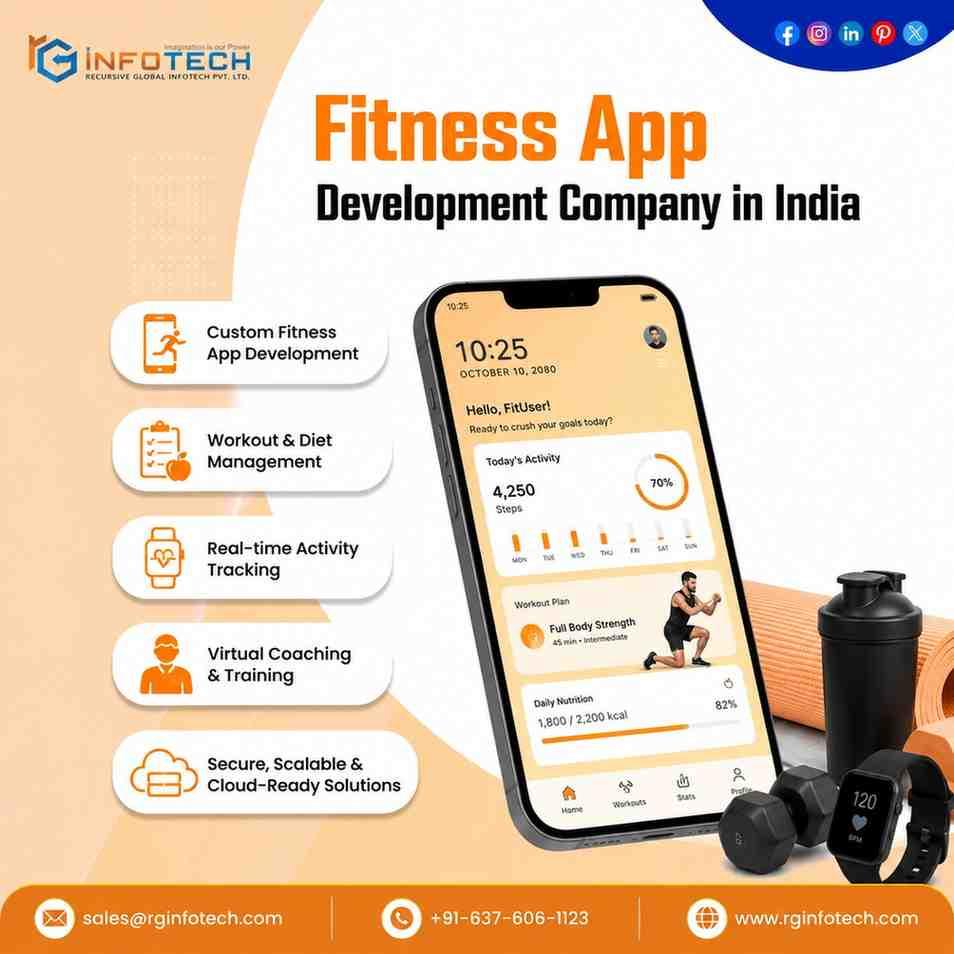
The fitness industry has evolved far beyond simple workout tracking apps. Modern fitness platforms now offer AI-powered coaching, personalized workout plans, wearable device integration, nutrition tracking, virtual classes, and real-time analytics. As user expectations continue to grow, businesses need fitness platforms that can handle increasing traffic, support new features, and deliver a seamless experience across multiple devices.
Choosing the right tech stack is one of the most important decisions during fitness app development. The technologies you select directly affect your platform's performance, scalability, security, maintenance costs, and future growth. A well-planned tech stack helps you build a reliable platform that can adapt as your business expands.
In this guide, we'll explore the key factors to consider when selecting the ideal tech stack for a scalable fitness platform.
What Is a Tech Stack?
A tech stack is the collection of technologies used to build and run an application. It includes:
- Frontend technologies
- Backend technologies
- Databases
- Cloud infrastructure
- APIs
- Security tools
- Analytics platforms
Each component plays a specific role in ensuring your fitness platform performs efficiently and remains scalable as your user base grows.
Define Your Platform Requirements
Before selecting technologies, clearly define what your platform needs to achieve.
Ask yourself:
- Who is your target audience?
- Will the app support Android, iOS, or both?
- Will you offer live workout sessions?
- Is AI-powered personalization required?
- Will users connect wearable devices?
- What payment methods will you support?
Answering these questions helps you choose technologies that align with your business goals instead of following trends.
Choose the Right Frontend Technology
The frontend is responsible for everything users see and interact with.
Popular options include:
Flutter
Flutter is widely used for cross-platform fitness apps because it offers:
- Single codebase
- Fast performance
- Beautiful UI
- Faster development
- Reduced maintenance costs
It allows businesses to launch on both Android and iOS efficiently.
React Native
React Native is another excellent choice.
Its advantages include:
- Cross-platform compatibility
- Reusable components
- Faster development cycles
- Strong community support
- Native-like user experience
Both Flutter and React Native are ideal for startups looking to build scalable applications quickly.
Native Development
For highly complex fitness platforms, native development may be preferred.
- Swift for iOS
- Kotlin for Android
Native apps provide excellent performance and deeper access to device-specific features like health sensors and Bluetooth connectivity.
Select a Scalable Backend
The backend powers your entire fitness platform.
It manages:
- User authentication
- Workout history
- AI processing
- Notifications
- Payment management
- Analytics
- Content delivery
Popular backend technologies include:
Node.js
Ideal for real-time applications due to its speed and scalability.
Python
Perfect for AI-powered fitness platforms because of its machine learning ecosystem.
Java
Suitable for enterprise-grade platforms requiring high reliability and security.
Choose a backend that can easily support future feature expansion.
Pick the Right Database
Fitness platforms generate large amounts of user data, including workout logs, nutrition plans, health metrics, and activity history.
Popular database options include:
PostgreSQL
Excellent for structured fitness data and transactional operations.
MongoDB
Ideal for flexible and rapidly growing datasets.
MySQL
Reliable for applications with predictable data structures.
Many modern platforms combine SQL and NoSQL databases to balance performance and flexibility.
Use Cloud Infrastructure
Cloud computing enables your platform to scale efficiently as user demand increases.
Popular cloud providers include:
- Amazon Web Services (AWS)
- Microsoft Azure
- Google Cloud Platform
Cloud infrastructure provides:
- Automatic scaling
- Secure backups
- High availability
- Global accessibility
- Disaster recovery
It also reduces infrastructure management costs while improving platform reliability.
Integrate AI Technologies
Artificial Intelligence has become an essential part of modern fitness platforms.
AI features may include:
- Personalized workout plans
- Nutrition recommendations
- Progress predictions
- Smart coaching
- AI chatbots
- Exercise suggestions
Frameworks commonly used include:
- TensorFlow
- PyTorch
- OpenAI APIs
AI helps improve user engagement by delivering highly personalized fitness experiences.
Support Wearable Devices
Many users expect their fitness app to sync seamlessly with wearable devices.
Important integrations include:
- Apple Health
- Google Fit
- Fitbit
- Garmin
- Samsung Health
These integrations allow users to automatically track:
- Heart rate
- Calories burned
- Steps
- Sleep
- Workout sessions
Wearable support increases convenience and enhances the overall user experience.
Prioritize Security
Fitness platforms collect sensitive personal and health-related information.
Security should include:
- Data encryption
- Multi-factor authentication
- Secure cloud storage
- Biometric login
- OAuth authentication
- Secure payment gateways
Strong security measures build user trust and help protect valuable data.
Choose Reliable APIs
Third-party APIs reduce development time while expanding functionality.
Useful integrations include:
- Payment gateways
- Video streaming services
- Maps
- Push notifications
- Nutrition databases
- Calendar services
- Messaging platforms
Reliable APIs improve user experience without requiring businesses to build every feature from scratch.
Plan for Scalability
A scalable fitness platform should continue performing efficiently as your audience grows.
Important scalability considerations include:
- Modular architecture
- Load balancing
- Microservices
- Cloud auto-scaling
- Efficient caching
- CDN integration
Planning for growth early prevents expensive infrastructure changes later.
Monitor Performance
Performance monitoring ensures your platform remains stable after launch.
Track metrics such as:
- Server response time
- App crashes
- Active users
- Session duration
- API performance
- Database efficiency
Analytics tools help identify bottlenecks before they affect user experience.
Common Mistakes to Avoid
Businesses often make technology decisions that create long-term challenges.
Avoid mistakes like:
- Choosing technologies based only on popularity
- Ignoring future scalability
- Underestimating security requirements
- Using incompatible tools
- Selecting outdated frameworks
- Skipping performance optimization
Working with an experienced Fitness App Development Company in India helps businesses select technologies that support both current needs and future growth.
Why the Right Development Partner Matters
Building a scalable fitness platform requires expertise in mobile development, cloud computing, AI, backend architecture, security, and wearable integrations.
A trusted Fitness App Development Company in India understands how these technologies work together and can recommend the most suitable tech stack based on your business objectives, budget, and long-term vision.
Their experience reduces development risks while ensuring the platform remains flexible and future-ready.
Conclusion
Choosing the right tech stack is one of the most important decisions when developing a scalable fitness platform. From frontend frameworks and backend technologies to cloud infrastructure, databases, AI, and security, every technology contributes to your platform's performance and long-term success.
Instead of focusing only on current development needs, businesses should build a foundation that supports future growth, feature expansion, and increasing user demand. Partnering with a reliable Fitness App Development Company in India ensures your platform is built using modern, scalable technologies that deliver excellent user experiences while supporting business growth.

 English
 Arabic
 French
 Spanish
 Portuguese
 Deutsch
 Turkish
 Dutch
Dutch
 Italiano
 Russian
 Portuguese (Brazil)
 Greek
Greek
