


Best Roofing Materials for Vancouver's Wet Climate
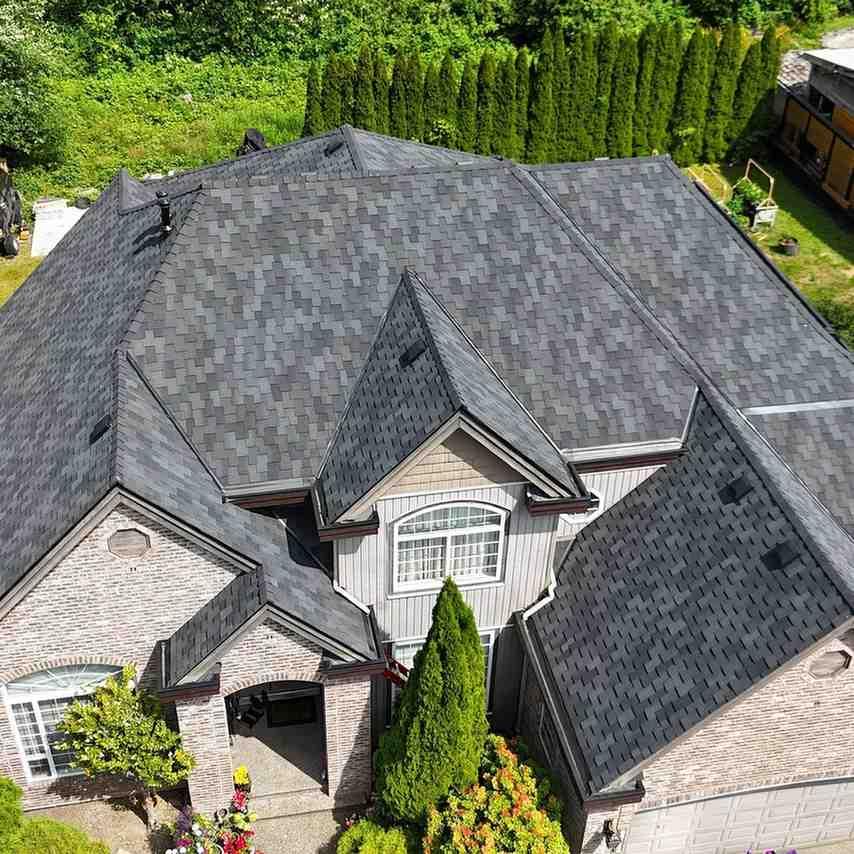
If you've owned a home here in Vancouver, you already know the truth. The city rain doesn't just fall; it sits. It soaks into anything that isn't built to shed water fast. Over a few seasons, you can find that every minor to major spot in a roof is not at all safe. Picking the right roofing material matters more here than in almost any other Canadian city. Homeowners searching for metal roofing in Vancouver contractors want to know what will actually hold up under this much moisture year after year.
At GoodVans Roofing, we have years of experience in roof installation and maintenance. We've replaced enough soggy and moss-covered roofs. The purpose is very simple. We know that the answer isn't the same for every house. Budget, roof pitch, and how much upkeep you're willing to do. These are the factors that play a part.
What Vancouver's Rain and Moss Mean for Your Roof
Our climate is rough on roofs in a specific way. It's not extreme heat or hail. It's constant, low-grade dampness. And this condition never fully dries out between storms. That moisture feeds moss and algae. And that is obviously not good at all for your shingles and roof life. A roof that performs well somewhere drier can struggle here. That's why material choice, ventilation, and proper flashing all matter more in Metro Vancouver than in most other markets.
Asphalt Shingles - Affordable and Popular
Asphalt remains the most common roofing material in the region. The reason is the long term benefits that it provides. It's budget-friendly. It comes in a wide range of colors and textures. That holds up reasonably well when installed correctly. With proper care, most asphalt roofs last 20 to 30 years.
Why Algae-Resistant Shingles Matter Here
In the city, constant moisture is a big problem with the rainy days. It can cause harm to your standard shingles. They can curl, warp and lose granules faster than they wound in drier climate. This is where algae-resistant shingles earn their keep. They're treated to resist the dark streaking and moss growth that's so common on Vancouver roofs. If you're set on asphalt, this upgrade is worth asking about before installation.
Metal Roofing and Metal Shingles - Long Lifespan
A properly installed metal roof from metal roofing in Vancouver can last 40, 50, even 70 years. This approach is durable and reliable. Means it is two to three times longer than asphalt. Metal sheds water almost instantly. You can’t expect it to pool, seep, or freeze in the small gaps. And this can eventually cause leaks. Metal roofing Vancouver mimics the look of slate, cedar shakes, or asphalt and keeps the strength of steel or aluminum underneath.
Beyond moisture resistance, metal roofing also reflects heat rather than absorbing it. It means it becomes easy for summer cooling costs. And its interlocking design holds up well against the wind gusts that roll in off the coast. Homeowners also tend to make far fewer repair calls after switching. This is because there is simply less weather to damage.
Cedar Shake - Classic Look and Care Needs
Cedar brings a natural and textured look. It is both beautiful and safe. The roofing style is great that cannot copy and every shake ages a little differently, which gives the roof real character. The wood also contains natural oils that resist rot even in damp conditions. With its proper care, a cedar shake roof can last 30 to 50 years. All that matters is the care that you do for your roofing. You can contact metal roofing in Vancouver for time to time maintenance and repair service. Regular inspections are required. Experts advice to occasional shake replacement, and moss removal are part of the deal. For homeowners who like the look and don't mind the maintenance, cedar still holds real appeal.
Tile Roofing - Durability and Weight Considerations
Clay, concrete, and slate tiles can outlast almost every other option. They can often reach 50 years or more. Tile resists moisture well. If you install them with proper airflow underneath, it cuts down on the moss and mildew issues so common in this region.
The tradeoff is weight. Not every roof structure is built to carry tile without reinforcement. So this is a conversation to have early, before you fall in love with a look your framing can't support. Damaged tiles are also simple to swap individually. It keeps long-term repair costs down.
Flat Roof Options - EPDM and Torch-On SBS
These are very common on commercial buildings, townhomes, and additions. They need a different approach entirely. EPDM rubber membrane and torch-on SBS systems are both built to handle standing water. They ensure preventing water exposure in constant rain without the pooling problems that shorten a flat roof's life. Both systems rely heavily on correct seam and flashing work, since that's usually where flat roof leaks start.
Matching the Right Material to Your Vancouver Property
There's no single best answer here. A young family planning to stay put for decades might lean toward metal for the lifespan. Someone restoring a heritage home might want cedar or tile for the look. A property manager overseeing a strata building probably cares most about predictable maintenance costs.
What matters is matching the material to the roof's pitch. The building's structure, and how much upkeep you actually want to take on. As a local roofing company, we walk every homeowner through these tradeoffs based on their specific property. That means, we are not someone who provides a generic recommendation.
Frequently Asked Questions
What is the best roofing material for Vancouver's rainy weather?
Metal roofing and tile both perform well. The reason is they shed water quickly and resist the moss growth that damp conditions encourage. Asphalt with an algae-resistant treatment is a solid and more affordable alternative.
Which roofing material lasts the longest in Vancouver?
Metal roofing and tile both offer the longest service life. They are often 40 to 70 years old when installed correctly. That is compared to 20 to 30 years for standard asphalt shingles.
Are metal roofs noisy in the rain?
Not usually. Modern metal roofing systems include solid decking and insulation underneath. That absorbs most of the sound. Most homeowners say it's no louder than any other roof type.

 Arabic
 French
 Spanish
 Portuguese
 Deutsch
 Turkish
 Dutch
Dutch
 Italiano
 Russian
 Romaian
 Portuguese (Brazil)
 Greek
Greek
