


Manuka honey
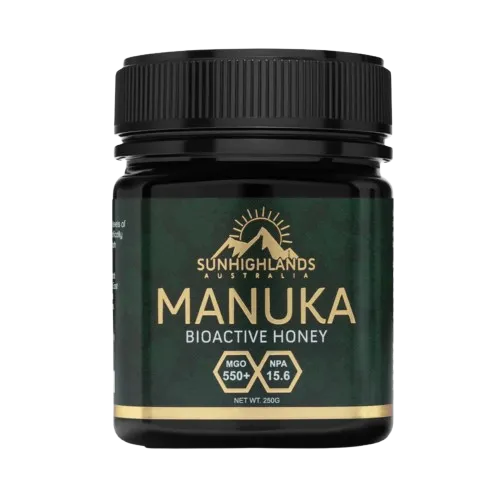
Manuka honey is one of the world's most prized natural health products, known for its unique antibacterial properties and numerous health benefits. Unlike regular honey, Manuka honey contains special compounds that make it highly effective for wound healing, digestive health, skincare, and immune support. Produced by bees that pollinate the Manuka bush, this premium honey has gained worldwide popularity among health-conscious consumers and medical professionals.
In this comprehensive guide, we'll explore what Manuka honey is, how it differs from regular honey, its nutritional value, health benefits, uses, potential side effects, and tips for choosing authentic Manuka honey.
What Is Manuka Honey?
Manuka honey is a special type of honey produced by honeybees that collect nectar from the flowers of the Manuka tree (Leptospermum scoparium), a plant native to New Zealand and parts of Australia. It has a rich, earthy flavor and a thick, creamy texture.
What makes Manuka honey unique is its naturally high concentration of methylglyoxal (MGO), a compound responsible for its strong antibacterial activity. This property distinguishes it from ordinary honey and contributes to its growing reputation as a natural therapeutic product.
Nutritional Value of Manuka Honey
Like other natural honeys, Manuka honey contains a variety of nutrients and bioactive compounds. A typical serving provides:
-
Natural carbohydrates
-
Fructose and glucose
-
Small amounts of vitamins
-
Minerals such as calcium, potassium, magnesium, and zinc
-
Amino acids
-
Antioxidants
-
Polyphenols
-
Enzymes
Although it is rich in beneficial compounds, Manuka honey is also high in natural sugars and should be consumed in moderation.
What Makes Manuka Honey Different?
Regular honey has natural antibacterial properties because it contains hydrogen peroxide. However, Manuka honey offers additional non-peroxide antibacterial activity due to methylglyoxal (MGO).
Other distinguishing features include:
-
Higher antibacterial strength
-
Greater stability over time
-
Rich antioxidant content
-
Unique flavor profile
-
Medical-grade applications
-
Independent quality grading systems
These qualities make Manuka honey one of the most researched natural honeys available today.
Health Benefits of Manuka Honey
1. Supports Wound Healing
One of the best-known benefits of Manuka honey is its ability to promote wound healing. Medical-grade Manuka honey is commonly used in hospitals to help treat burns, cuts, ulcers, and surgical wounds.
Its antibacterial properties help reduce infection while maintaining a moist healing environment that supports tissue repair.
2. Powerful Antibacterial Properties
Manuka honey has been shown to inhibit the growth of many bacteria, including some that are resistant to common antibiotics.
Its antibacterial activity is attributed mainly to methylglyoxal (MGO), making it effective for topical applications and certain medical uses.
3. Promotes Digestive Health
Many people consume Manuka honey to support digestive wellness.
It may help:
-
Soothe stomach discomfort
-
Support gut health
-
Reduce harmful bacteria
-
Improve digestion
-
Promote a balanced digestive system
Some research also suggests it may be beneficial in managing certain gastrointestinal conditions when used as part of a broader treatment plan.
4. Relieves Sore Throat and Cough
Manuka honey is a popular natural remedy for sore throats and coughs.
Its thick consistency coats the throat, while its antibacterial properties may help reduce irritation and support recovery from minor upper respiratory infections.
Many people enjoy a spoonful of Manuka honey alone or mixed into warm herbal tea.
5. Supports Immune Function
The antioxidants found in Manuka honey help protect the body from oxidative stress caused by free radicals.
Regular consumption as part of a balanced diet may contribute to overall immune health and support the body's natural defense mechanisms.
6. Improves Skin Health
Manuka honey is widely used in skincare products because of its moisturizing and antibacterial properties.
It may help:
-
Hydrate dry skin
-
Calm redness
-
Reduce acne-causing bacteria
-
Support skin healing
-
Improve overall skin texture
Face masks containing Manuka honey have become popular as a natural skincare treatment.
7. Rich in Antioxidants
Antioxidants help protect cells from damage caused by oxidative stress.
Manuka honey contains several beneficial antioxidants that may contribute to:
-
Healthy aging
-
Cardiovascular health
-
Cellular protection
-
Reduced inflammation
A diet rich in antioxidants supports overall wellness.
Common Uses of Manuka Honey
Manuka honey is versatile and can be used in many ways.
Popular uses include:
-
Eating by the spoonful
-
Adding to tea
-
Mixing into smoothies
-
Spreading on toast
-
Sweetening yogurt
-
Homemade salad dressings
-
Natural face masks
-
Minor wound care (medical-grade products only)
Its distinctive flavor makes it both a health supplement and a delicious natural sweetener.
Understanding MGO and UMF Ratings
Authentic Manuka honey is graded using quality systems that help consumers determine its potency.
MGO (Methylglyoxal)
The MGO rating measures the concentration of methylglyoxal in the honey. Higher numbers generally indicate stronger antibacterial activity.
Common ratings include:
-
MGO 100+
-
MGO 250+
-
MGO 400+
-
MGO 550+
-
MGO 800+
UMF (Unique Manuka Factor)
The UMF grading system certifies authenticity and measures specific naturally occurring compounds in Manuka honey.
Common UMF grades include:
-
UMF 5+
-
UMF 10+
-
UMF 15+
-
UMF 20+
Consumers seeking higher antibacterial activity often choose products with higher UMF or MGO ratings.
How to Choose Authentic Manuka Honey
Because of its popularity, counterfeit products are common.
When shopping for Manuka honey:
-
Look for certified UMF or MGO labels.
-
Check the country of origin.
-
Buy from reputable brands.
-
Verify batch numbers when available.
-
Avoid unusually low prices.
Authentic Manuka honey is more expensive due to limited production and strict quality standards.
Possible Side Effects
Manuka honey is generally safe for most healthy adults. However, there are a few precautions to consider:
-
It is high in natural sugar and calories.
-
People with diabetes should monitor their intake.
-
Individuals allergic to bees or honey should avoid it.
-
Infants under one year old should never consume honey because of the risk of infant botulism.
If you have a medical condition, consult a healthcare professional before using Manuka honey therapeutically.
How to Store Manuka Honey
Proper storage helps preserve the quality of Manuka honey.
Store it:
-
In a cool, dry place
-
Away from direct sunlight
-
With the lid tightly closed
-
At room temperature
Refrigeration is generally unnecessary and may cause the honey to become overly thick.
Frequently Asked Questions
Is Manuka Honey Better Than Regular Honey?
Manuka honey contains higher levels of antibacterial compounds than most regular honey, making it unique for certain health and medical applications.
Can You Eat Manuka Honey Every Day?
Many people enjoy Manuka honey daily in moderate amounts as part of a balanced diet.
Does Manuka Honey Expire?
Honey has an exceptionally long shelf life when stored properly. Over time, it may crystallize, but this does not necessarily mean it has spoiled.
Is Manuka Honey Safe for Children?
Children over one year old can generally consume honey. Honey should never be given to infants younger than 12 months.
Tips for Including Manuka Honey in Your Diet
You can easily enjoy Manuka honey by:
-
Stirring it into warm tea
-
Drizzling it over oatmeal
-
Mixing it with yogurt
-
Spreading it on whole-grain toast
-
Blending it into smoothies
-
Pairing it with fresh fruit
Avoid adding it to boiling liquids, as excessive heat may reduce some of its beneficial properties.

 English
 Arabic
 French
 Spanish
 Deutsch
 Turkish
 Dutch
Dutch
 Italiano
 Russian
 Romaian
 Portuguese (Brazil)
 Greek
Greek
