


Why Proper Car Alignment Matters for Every Driver
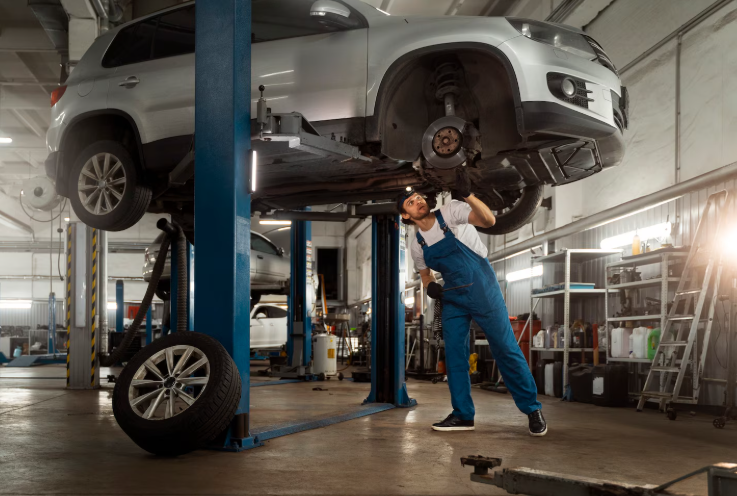
When people think about vehicle maintenance, they often focus on oil changes or tire pressure while overlooking car alignment. Yet proper alignment plays a significant role in keeping a vehicle safe, comfortable, and efficient on the road. Alignment refers to adjusting the angles of the wheels so they match the manufacturer's specifications. When these angles are correct, the vehicle tracks straight, the tires wear evenly, and steering feels smooth and predictable.
Misalignment can happen more easily than many drivers realize. Hitting a pothole, driving over speed bumps too quickly, brushing against a curb, or traveling on rough roads can gradually shift the suspension components. Even normal wear and tear can affect alignment over time. Because these changes often happen gradually, many drivers become accustomed to the symptoms without realizing there is an underlying issue.
One of the first signs of poor alignment is a vehicle that pulls to one side while driving on a straight road. Another common symptom is an off-center steering wheel even when the car is moving forward. Uneven tire wear is also a warning sign. If one edge of the tire wears faster than the other, the alignment may need attention. Ignoring these signs can shorten tire life and increase maintenance costs.
Proper alignment also contributes to better fuel efficiency. When the wheels are not positioned correctly, the tires create additional rolling resistance against the road. This forces the engine to work harder, consuming more fuel over time. While the difference may seem small on a single trip, it can become noticeable after months of regular driving.
Driving comfort is another important benefit of correct alignment. A properly aligned vehicle responds more accurately to steering inputs and remains stable during highway travel. This reduces driver fatigue, especially during long-distance trips. Consistent handling also improves confidence behind the wheel in changing road conditions.
Routine vehicle inspections provide a good opportunity to check alignment before noticeable problems develop. Many automotive professionals recommend inspecting alignment whenever new tires are installed, suspension parts are replaced, or unusual steering behavior appears. Taking action early can help prevent unnecessary tire wear and reduce the likelihood of more expensive repairs in the future.
Paying attention to steering performance and tire condition is a simple habit that can make a meaningful difference. Regular wheel alignment checks help support safer driving, extend tire life, improve fuel economy, and keep your vehicle performing as intended throughout every journey.

 English
 Arabic
 French
 Spanish
 Portuguese
 Deutsch
 Turkish
 Italiano
 Russian
 Romaian
 Portuguese (Brazil)
 Greek
Greek
