


How Electronic Potting Compounds Are Powering the Future of Reliable EV Charging Infrastructure
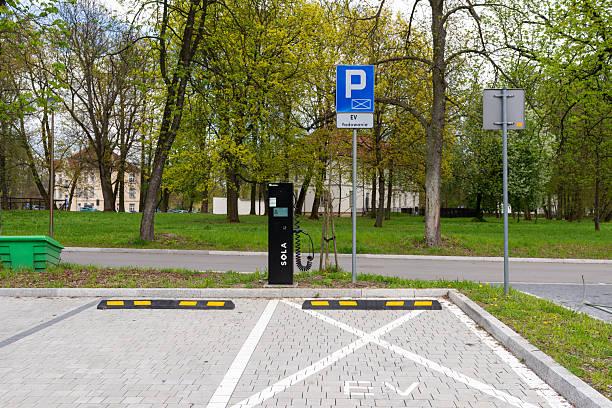
The rapid expansion of electric vehicle (EV) adoption is transforming the global transportation landscape while driving significant investments in charging infrastructure. As charging systems become more advanced and capable of delivering higher power outputs, ensuring the reliability and durability of sensitive electronic components has become increasingly important. Electronic potting compounds have emerged as a critical material solution, offering protection against moisture, vibration, heat, dust, and electrical stress in EV charging equipment.
According to the latest industry analysis published by Vyansa Intelligence, the electronic potting compound for EV charger industry was valued at USD 385 million in 2025 and is projected to reach USD 990 million by 2032, expanding at a CAGR of 14.44% during 2026–2032. The industry's strong growth is supported by accelerating EV adoption, expanding charging infrastructure, and increasing demand for durable electronic protection materials.
Growing EV Charging Networks Are Driving Material Demand
Governments and private companies worldwide are investing heavily in expanding EV charging infrastructure to support the transition toward cleaner transportation. Public fast-charging stations, residential charging units, commercial charging hubs, and fleet charging facilities all require highly reliable electronic systems capable of operating under varying environmental conditions. According to the IEA Global EV Outlook 2025, the continued expansion of EV charging networks is a key enabler of global electric mobility growth.
Electronic potting compounds play a vital role by encapsulating sensitive electronic components such as transformers, power modules, connectors, printed circuit boards (PCBs), and sensors. This protective layer shields electronics from moisture, corrosion, mechanical shock, and contaminants, helping extend equipment lifespan and improve operational reliability.
As charging infrastructure continues to expand globally, demand for advanced potting materials is expected to grow alongside it.
High-Power Fast Chargers Require Advanced Protection
The increasing deployment of DC fast chargers and ultra-fast charging systems has introduced greater thermal and electrical challenges for charging equipment manufacturers. Higher charging speeds generate increased heat, requiring materials capable of maintaining electrical insulation while effectively managing thermal performance.
Modern potting compounds are engineered to provide:
- Excellent electrical insulation
- Efficient heat dissipation
- High mechanical strength
- Resistance to vibration and thermal cycling
- Long-term environmental durability
These characteristics help improve charger safety while protecting internal electronic components during continuous operation.
As fast-charging technologies evolve, advanced encapsulation materials will become increasingly important for maintaining system performance and reliability.
Material Innovation Is Improving Charger Performance
Manufacturers continue investing in the development of high-performance potting compounds tailored for next-generation EV charging systems. Epoxy, polyurethane, and silicone-based formulations each offer unique performance advantages depending on application requirements.
Epoxy compounds provide excellent mechanical strength and electrical insulation, making them suitable for high-voltage components. Polyurethane materials offer flexibility and impact resistance, while silicone-based compounds deliver exceptional thermal stability for demanding operating environments.
Ongoing research focuses on improving thermal conductivity, reducing curing times, enhancing flame resistance, and increasing environmental durability. These innovations help charging equipment manufacturers meet evolving performance and safety requirements while supporting longer service life.
Reliability Is Becoming a Competitive Advantage
EV charging stations often operate outdoors, where they are exposed to rain, humidity, temperature fluctuations, UV radiation, and airborne contaminants. Protecting electronic assemblies from these environmental conditions is essential for minimizing maintenance requirements and ensuring uninterrupted charging services.
Electronic potting compounds reduce the likelihood of failures caused by moisture ingress, corrosion, electrical short circuits, and mechanical vibration. Improved durability translates into lower maintenance costs and higher equipment availability for charging network operators.
As public charging infrastructure expands, long-term reliability is becoming a key factor influencing material selection and equipment design. The U.S. Department of Energy's Alternative Fuels Data Center provides insights into the deployment of EV charging infrastructure and the technologies supporting reliable charging networks.
Sustainability Is Influencing Material Development
The transition toward electric mobility is closely linked with broader sustainability objectives. Material suppliers are increasingly developing potting compounds with lower environmental impact while maintaining high performance.
Manufacturers are exploring formulations that reduce volatile organic compound (VOC) emissions, improve recyclability where possible, and enhance production efficiency. At the same time, longer-lasting encapsulation materials contribute indirectly to sustainability by reducing component failures and extending equipment operating life.
As environmental regulations evolve, sustainable material innovation is expected to become an increasingly important area of research across the electronics materials industry.
Expanding Applications Beyond EV Chargers
Although EV charging equipment represents the primary growth segment, electronic potting compounds are also widely used across other industries requiring reliable electronic protection.
Applications include renewable energy systems, industrial automation equipment, telecommunications infrastructure, medical electronics, consumer electronics, and aerospace systems. Components operating in demanding environments benefit from enhanced insulation, thermal management, and mechanical protection provided by advanced potting materials.
The versatility of these materials enables manufacturers to develop solutions tailored to diverse performance requirements while leveraging common technological advancements across multiple industries.
Challenges and Emerging Opportunities
Despite strong growth prospects, manufacturers continue facing several challenges. High-performance potting compounds must balance thermal conductivity, electrical insulation, flexibility, adhesion, and processing efficiency while remaining cost-effective.
Compatibility with rapidly evolving charging technologies also requires continuous product innovation. In addition, increasingly stringent environmental regulations encourage the development of safer and more sustainable material formulations.
However, expanding investments in EV infrastructure, improvements in charging technology, and increasing demand for higher-power charging systems present significant opportunities. Collaboration between material suppliers, electronics manufacturers, and charging equipment developers is expected to accelerate innovation across the industry.
Future Outlook
Electronic potting compounds are becoming an indispensable component of next-generation EV charging infrastructure. Their ability to protect sensitive electronics from harsh operating conditions while supporting efficient thermal management makes them essential for ensuring long-term charger reliability and safety.
According to the study published by Vyansa Intelligence, the industry is expected to grow from USD 385 million in 2025 to USD 990 million by 2032, reflecting rising investments in electric mobility infrastructure and advanced electronic protection technologies. As EV adoption continues to accelerate worldwide, demand for high-performance potting compounds is expected to remain strong, supporting the development of safer, more durable, and more efficient charging systems.

 English
 Arabic
 French
 Spanish
 Portuguese
 Deutsch
 Turkish
 Dutch
Dutch
 Italiano
 Russian
 Romaian
 Greek
Greek
