


Common Hair Loss Causes Every Student Should Know
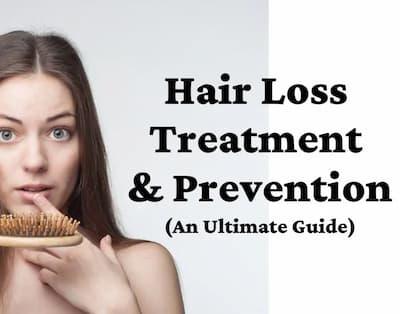
What Causes Hair Fall in Teens and How to Treat It Effectively
Teenagers often experience hair loss because of changing hormones, school pressure, poor nutrition, and unhealthy hair habits. Understanding the real reasons helps students protect their scalp and improve long-term hair health.
Early care, healthy routines, and professional advice when needed can prevent unnecessary shedding and support stronger, healthier hair growth.
What Causes Hair Fall in Teens?
Many teenagers worry about excessive shedding, but identifying what causes hair loss is the first step toward effective management. Hair fall may result from genetics, hormonal fluctuations, nutritional problems, stress, illness, or improper hair care. Recognizing symptoms early allows timely treatment and reduces the risk of lasting hair thinning.
1. Genetics and Aging
Family history strongly influences hair growth patterns, making genetics one of the leading hair loss causes. Although significant age-related hair loss is uncommon in teenagers, inherited conditions can begin during adolescence.
Early evaluation helps slow progression and preserves healthier hair for the future.
2. Hereditary Hair Loss (Androgenetic Alopecia):
Hereditary hair loss develops when inherited genes make hair follicles sensitive to hormones, gradually producing thinner strands. This condition is among the most common balding causes in both boys and girls. Early diagnosis and suitable treatment can help maintain hair density and confidence.
Aging:
Natural aging gradually slows hair growth and reduces hair thickness over time, though teenagers rarely experience noticeable age-related changes. However, understanding how aging affects hair encourages lifelong healthy habits.
Preventive care today supports stronger hair and a healthier scalp in adulthood.
Hormones and Health
Hormones play an essential role in regulating the hair growth cycle and overall scalp condition. Changes during puberty can temporarily increase shedding or contribute to hair thinning.
Maintaining hormonal balance through healthy living and medical care supports stronger, healthier hair growth.
Hormonal Changes:
Puberty causes significant hormonal fluctuations that may increase oil production and temporarily disturb the hair growth cycle. These natural changes sometimes trigger noticeable shedding. If excessive hair fall continues for several months, medical evaluation is recommended for proper diagnosis and treatment.
Visit Us www.honneteaesthetics.com
Thyroid Disorders:
An overactive or underactive thyroid gland can interfere with normal hair growth and lead to excessive shedding.
Thyroid-related hair loss causes often include fatigue, weight changes, and dry skin. Early medical treatment usually improves overall health and supports healthier hair recovery.
Autoimmune Diseases:
Certain autoimmune conditions mistakenly attack healthy hair follicles, leading to patchy or sudden hair loss. Prompt diagnosis is important because early treatment improves the chance of successful regrowth. Students noticing unusual bald patches should consult a qualified healthcare professional without delay.
Scalp Infections:
Fungal infections and poor scalp hygiene may damage hair follicles and increase shedding. Persistent itching, redness, flakes, or Hair Dandruff can indicate an underlying scalp problem requiring treatment.
Keeping the scalp clean and seeking timely care prevents further hair damage.
Lifestyle and External Factors
Daily habits significantly influence hair health, especially during teenage years. Poor nutrition, emotional stress, chemical exposure, and incorrect styling techniques contribute to many preventable hair loss causes.
Adopting healthier routines protects the scalp and reduces unnecessary hair shedding.
High Stress (Telogen Effluvium):
Academic pressure, emotional challenges, and lack of sleep can push more hair follicles into the resting phase. This temporary condition often causes increased shedding.
Relaxation techniques, exercise, and sufficient sleep help restore the normal hair growth cycle.
Nutritional Deficiencies:
Deficiencies of iron, protein, vitamin D, zinc, and vitamin B12 can weaken hair follicles and increase hair loss. Eating balanced meals containing fruits, vegetables, whole grains, eggs, dairy, nuts, and lean proteins supports healthy hair development and stronger growth.
Tight Hairstyles (Traction Alopecia):
Frequently wearing tight ponytails, braids, or buns places constant tension on hair roots, causing gradual hair thinning.
Looser hairstyles reduce stress on follicles and prevent long-term damage.
Giving hair regular breaks promotes healthier growth and stronger strands.
Medications and Treatments:
Some medicines prescribed for acne, depression, chronic illnesses, or other health conditions may temporarily increase hair shedding. Students should never stop medication without medical advice.
Discussing concerns with a healthcare provider helps identify safer treatment options when appropriate.
Effective Teenage Hair Fall Solutions
Managing loss hair requires a combination of proper nutrition, healthy scalp care, stress control, and consistent daily habits. Understanding what causes hair loss allows teenagers to choose effective preventive measures.
Early intervention improves results and helps maintain thicker, healthier hair.
1. Balanced Diet:
Consume protein-rich foods, leafy vegetables, fruits, healthy fats, and iron-rich meals every day. Good nutrition addresses several hair loss causes while strengthening hair follicles. Drinking enough water also supports scalp hydration and overall hair health.
2. Scalp Care:
Wash hair regularly using a gentle shampoo suitable for your scalp type and avoid harsh chemicals. Treat persistent Hair Dandruff promptly to reduce irritation. A clean scalp creates a healthier environment for consistent hair growth.
3. Gentle Styling:
Avoid excessive heat styling, bleaching, chemical straightening, and tight hairstyles that contribute to hair thinning. Use wide-toothed combs and soft hair accessories.
Gentle handling minimizes breakage and protects growing hair from unnecessary damage.
4. Scalp Treatment:
If persistent shedding, scalp infections, or severe hair dandruff persist despite proper care, seek professional evaluation. Dermatologists can identify underlying conditions and recommend evidence-based treatments. Early care improves outcomes and prevents long-term damage to follicles.
5. Stress Management:
Practice meditation, yoga, breathing exercises, regular physical activity, and proper sleep to reduce stress-related hair shedding. Emotional well-being supports healthy hair growth.
Managing stress also minimizes temporary shedding associated with demanding academic schedules.
6. Lifestyle Changes:
Maintain regular exercise, avoid smoking, limit junk food, and protect your scalp from excessive sunlight. Understanding balding causes and making healthier lifestyle choices encourages stronger hair.
Consistent care, patience, and timely medical guidance produce the best long-term results.
The Honnete Aesthetics medical team wrote this article
This article is for informational purposes only and does not constitute medical advice.

 Arabic
 French
 Spanish
 Portuguese
 Deutsch
 Turkish
 Dutch
Dutch
 Italiano
 Russian
 Romaian
 Portuguese (Brazil)
 Greek
Greek
