


Condo vs. Single-Family Home in SF: Choosing the Right Condominium for Sale
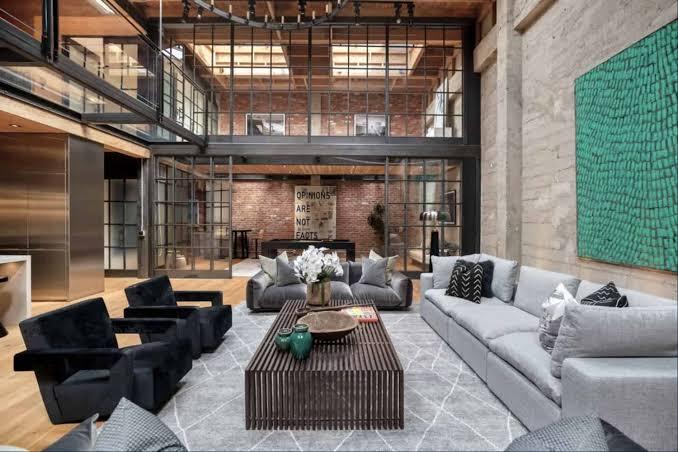
San Francisco’s residential landscape is as dynamic as its famous topography. From the colorful Painted Ladies framing Alamo Square to sleek high-rises commanding sweeping views of the Bay Bridge, the city offers some of the most enviable real estate in the world. However, when navigating the local housing market, prospective buyers quickly arrive at a pivotal crossroads: should you purchase a detached single-family home or opt for a condominium for sale in san francisco?
Both asset classes represent significant long-term investments, yet they serve vastly different lifestyles, financial models, and risk profiles. Understanding how these two property types compare across pricing structures, ongoing maintenance, spatial layout, and neighborhood accessibility is essential to making a confident, informed decision.
1. The Financial Landscape: Price Points and Entry Thresholds
One of the most immediate distinctions between single-family residences and condominiums in San Francisco is the capital required to enter the market.
Given San Francisco’s geographically constrained peninsula, land is finite. Consequently, detached single-family homes trade at a significant premium, with median sale prices frequently exceeding $1.6M to $2M+ depending on the district. For many urban professionals, first-time buyers, and investors, buying a condo in san francisco offers a far more accessible financial gateway into prime real estate, with luxury units beginning at substantially lower price-per-square-foot ratios in high-density corridors.
Understanding Carrying Costs: Taxes vs. HOA Fees
-
Single-Family Homes: While single-family properties carry no monthly association fees, the owner assumes 100% of property taxes, structural insurance, landscaping costs, and ongoing physical maintenance.
-
Condominiums: Condominiums require monthly Homeowners Association (HOA) dues. These dues fund exterior building insurance, common-area upkeep, reserves for major repairs (like roofing or elevator upgrades), and often utilities or high-end amenities like door attendants and fitness centers. When evaluating your overall purchasing power, lenders factor HOA dues directly into your monthly debt-to-income (DTI) ratio.
2. Maintenance and Lifestyle: Turn-Key Convenience vs. Total Autonomy
Beyond the initial purchase price, the choice between a condo and a house often comes down to how you prefer to manage your time and property.
The Condominium Advantage: Low-Maintenance Living
For busy tech executives, frequent travelers, or those seeking a "lock-and-leave" lifestyle, a condominium for sale in san francisco provides unmatched convenience. Exterior building repairs, window cleaning, roof inspections, and landscaping are managed entirely by the HOA board and professional property management teams. Furthermore, modern developments in neighborhoods like SoMa, South Beach, and Mission Bay deliver resort-style amenities—including rooftop lounges, co-working spaces, private dining rooms, and 24-hour concierge services—that would be cost-prohibitive in a private residence.
The Single-Family Advantage: Complete Freedom
Conversely, single-family homeownership offers complete control over your parcel. You are free to remodel, expand square footage (subject to municipal zoning), keep pets without weight restrictions, and landscape private yard space. However, this autonomy means every maintenance challenge—from replacing a foundation beam to fixing a roof leak—rests entirely on your shoulders.
3. Location, Architecture, and Neighborhood Microclimates
San Francisco’s distinct neighborhoods are heavily defined by their dominant housing stock. Where you choose to live will largely dictate the property types available:
-
High-Rise and Mid-Rise Condos (SoMa, South Beach, Mission Bay, Yerba Buena): These transit-oriented, highly walkable districts cater to those who want immediate access to downtown financial centers, Michelin-starred dining, tech headquarters, and waterfront trails along the Embarcadero.
-
Boutique Condo Conversions (Pacific Heights, Marina, Russian Hill): For buyers desiring historic charm with lower maintenance, Victorian and Edwardian flat conversions offer architectural character—like crown moldings, bay windows, and hardwood floors—within intimate, two-to-four-unit buildings.
-
Single-Family Enclaves (Noe Valley, Sunset, Richmond, West Portal, Glen Park): Residential districts on the central and western sides of the city offer quiet, tree-lined streets, private gardens, and detached homes, though they often require longer commutes to downtown commercial hubs.
4. Investment Dynamics: Appreciation vs. Rental Flexibility
From an investment perspective, both asset classes have proven resilient over long horizons, though their appreciation patterns differ:
-
Land Scarcity & Equity Growth: Single-family homes historically experience strong price appreciation driven primarily by the scarcity of underlying land in coastal California. Because land cannot be manufactured, detached structures remain blue-chip long-term holdings.
-
Rental Yields & Adaptability: Condos offer exceptional flexibility for investors or owners planning future life transitions. A well-located downtown unit can serve as a primary residence today and convert into an attractive, high-demand rental property down the road. When buying a condo in san francisco for investment purposes, always audit the building's CC&Rs (Covenants, Conditions, and Restrictions) to ensure there are no restrictive rental caps or leasing bans.
Key Comparison Framework
| Feature | San Francisco Condominium | SF Single-Family Home |
| Initial Capital Required | Generally Lower Entry Point | Higher Purchase Price & Down Payment |
| Ongoing Maintenance | Handled by HOA & Property Management | 100% Owner Responsibility |
| Amenities | Concierge, Gym, Rooftop Deck, Security | Private Garden, Garage, Yard Space |
| Control & Customization | Subject to HOA Guidelines & CC&Rs | Full Ownership & Architectural Freedom |
| Location Profile | Urban Centers, High-Density Walkable Hubs | Quiet Residential Neighborhoods |
Final Thoughts: Making the Right Move in San Francisco
Choosing between a single-family home and a luxury condo is ultimately a personal decision that balances financial strategy, daily habits, and long-term equity goals. If you prioritize private outdoor space, architectural independence, and maximum land value, a single-family house may be your ideal match. However, if you value a modern, low-stress, amenity-rich lifestyle in the heart of the city's most vibrant corridors, a luxury condo offers an extraordinary way to experience San Francisco.
When you are ready to explore available properties, partnering with an experienced local advisory team that provides specialized market analysis, HOA due diligence, and full-service concierge guidance ensures you find a property that perfectly aligns with your lifestyle and financial vision.

 Arabic
 French
 Spanish
 Portuguese
 Deutsch
 Turkish
 Dutch
Dutch
 Italiano
 Russian
 Romaian
 Portuguese (Brazil)
 Greek
Greek
