


12-Volt Starter for Kubota D905E BX Sub-Compact (2004–2025, 22HP Diesel): Function, Fitment & Buying Guide
Introduction
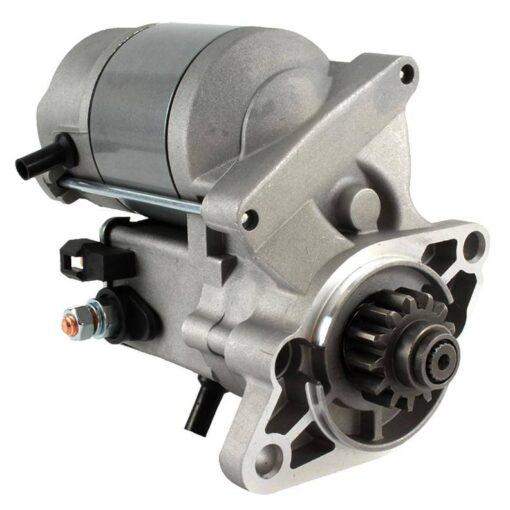
A reliable starter is critical to keeping your Kubota D905E-powered BX sub-compact tractor working hard, day after day. This 12-volt starter is engineered specifically for 22HP Kubota diesel applications, delivering consistent cranking power in all seasons. Understanding how the starter works, which models it fits, and what OEM numbers it replaces will help you buy with confidence. Below, we break down function, compatibility, installation tips, maintenance, and smart buying advice for this important electrical component.
What a Starter Does on Your Kubota Diesel
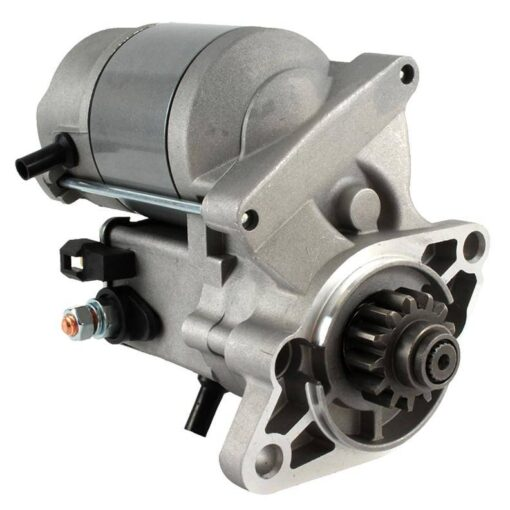
The starter motor is an electric unit that turns your Kubota D905E diesel engine fast enough for it to begin combustion. It engages with the engine’s flywheel via a small gear (pinion) and uses battery power to crank the engine until it fires. On a 22HP BX sub-compact, this process must be smooth and strong, especially in cold conditions or under heavy accessory loads. A healthy starter ensures quick, dependable starts and protects your battery and ignition components from unnecessary strain.
OEM Part Numbers and Cross-References
One of the most useful things you can do before ordering any starter is confirm the OEM or cross-reference numbers against what's currently on your tractor. This starter is a direct replacement for:
-
Denso: 228000-7611, 228000-7610
-
Denso Reman: 9722809-761
-
Kubota: 17423-63012
-
Lucas: LRS02771
If your old starter's tag shows any of these numbers, you have a confirmed match. A quick note worth flagging: this starter has no R-wire on the motor terminal, so if your current unit has one, double-check your wiring configuration before assuming a drop-in fit.
Compatibility: Which Kubota Tractors Use This Starter
This starter is built specifically for the Kubota BX23LB Sub Compact tractor, equipped with the D905E-BX 22HP diesel engine, covering model years 2004 through 2025. That's a long production run, and the fitment holds steady across it because Kubota kept the same engine and starter mounting configuration throughout.
Specs at a glance:
-
Voltage: 12V DC
-
Power: 1.4 KW
-
Rotation: Clockwise (CW)
-
Drive teeth: 13
-
Mounting: Flange type, 2 mounting holes
-
Design: OSGR (Original Starter Generator Replacement)
If you're a contractor, landscaper, hobby farmer, or property owner running a BX23LB for daily mowing, loader work, or general property maintenance, this is the starter your engine was built around — no adapters or modified harnesses required.
Why a Reliable Starter Matters
On a diesel machine, the starter does more than just spin the engine—it directly influences uptime and productivity. A weak or failing starter causes symptoms such as slow cranking, clicking sounds, intermittent starting, or complete no-start conditions. These issues tend to appear at the worst possible times, such as mid-season work or early morning jobs. Investing in a high-quality, correctly matched starter for your Kubota BX ensures:
-
Faster, more consistent cold starts.
-
Less stress on the battery and solenoid.
-
Reduced downtime and fewer emergency service calls.
-
Longer life for the flywheel ring gear and related components.
For fleet owners, landscapers, and property managers, a reliable starter is a small expense that protects far more valuable time and equipment.
Signs Your Kubota Starter Needs Replacement
Starter motors naturally wear over time due to repeated use, heat, vibration, and electrical load.
Watch for these warning signs:
Slow Engine Cranking
If the engine turns over much slower than usual—even with a fully charged battery—the starter may be losing efficiency.
Clicking Noise
A single click usually indicates:
-
Worn starter solenoid
-
Damaged starter contacts
-
Internal electrical failure
Grinding Noise
Grinding often means:
-
Damaged starter gear
-
Worn flywheel teeth
-
Improper gear engagement
Ignoring grinding can damage the flywheel, leading to expensive repairs.
No Response
If turning the key produces no movement:
-
Internal starter failure
-
Faulty solenoid
-
Burned windings
-
Electrical connection problems
Intermittent Starting
Sometimes the tractor starts perfectly.
Other times it refuses.
This inconsistency commonly indicates worn brushes or failing internal components.
Installation Tips and Starter Maintenance
Replacing the starter is straightforward for experienced mechanics and confident DIY owners, but following proper procedures helps ensure reliable operation.
Installation Tips
Before beginning:
-
Park the tractor on level ground.
-
Disconnect the negative battery terminal.
-
Allow the engine to cool completely.
During Installation
-
Remove electrical connections carefully.
-
Label wires if necessary.
-
Inspect battery cables for corrosion.
-
Clean mounting surfaces.
-
Tighten mounting bolts to the manufacturer's specifications.
-
Reconnect wiring securely.
-
Verify proper gear alignment before starting.
After installation:
-
Reconnect the battery.
-
Test crank the engine.
-
Listen for unusual noises.
-
Confirm smooth engagement.
If grinding occurs, stop immediately and inspect alignment.
Maintenance Tips to Extend Starter Life
Starter motors are largely maintenance-free, but the electrical system around them isn't, and that system determines how hard the starter has to work. A few habits go a long way:
-
Keep battery terminals clean and tight. Corrosion or a loose connection reduces voltage delivery, forcing the starter to draw more current and generate more heat than it should.
-
Maintain proper battery charge. A weak battery makes every start harder on the starter motor, even if the starter itself is in good shape.
-
Address hard-starting issues promptly. Fuel, glow plug, or compression problems that make the engine slow to fire put repeated stress on the starter — fix the root cause instead of just replacing starters.
-
Protect connections from moisture and debris. Outdoor equipment takes a beating from weather; sealed bearings and corrosion-resistant housings help, but keeping connections dry and clean adds years of service life.
How to Choose the Right Replacement Starter
Not every aftermarket starter offers the same level of quality.
Before buying, check the following.
Correct Voltage
This Kubota application uses a:
12 Volt Starter Motor
Using the wrong voltage can damage electrical components.
Mounting Configuration
Ensure:
-
Bolt holes match
-
Housing dimensions are identical
-
Gear position aligns correctly
Gear Teeth
The starter pinion must match the flywheel exactly.
Incorrect gear engagement causes:
-
Grinding
-
Premature wear
-
Starting failure
OEM Compatibility
Always compare OEM numbers instead of relying only on tractor model information.
Quality Construction
Look for starters featuring:
-
Heavy-duty bearings
-
Durable armature
-
High-quality copper windings
-
Precision-machined gears
-
Corrosion-resistant finish
Premium construction results in longer service life and more reliable starts.
Conclusion
Whether your BX23LB is a 2004 model that's logged thousands of hours or a newer unit still under regular use, a reliable starter is what keeps it running when you need it. This 12-volt starter is built specifically for the D905E-BX 22HP diesel engine, cross-references directly to Denso, Kubota, and Lucas OEM part numbers, and installs with basic tools in under an hour.
Don't let a worn-out starter cost you a workday. Order your 12-volt Kubota BX23LB starter today at denparts.ca and get your tractor starting reliably again, season after season.

 English
 Arabic
 French
 Spanish
 Portuguese
 Deutsch
 Turkish
 Italiano
 Russian
 Romaian
 Portuguese (Brazil)
 Greek
Greek
