


How Small Businesses in Tucson, AZ Can Prepare for Winter Storm Disruptions
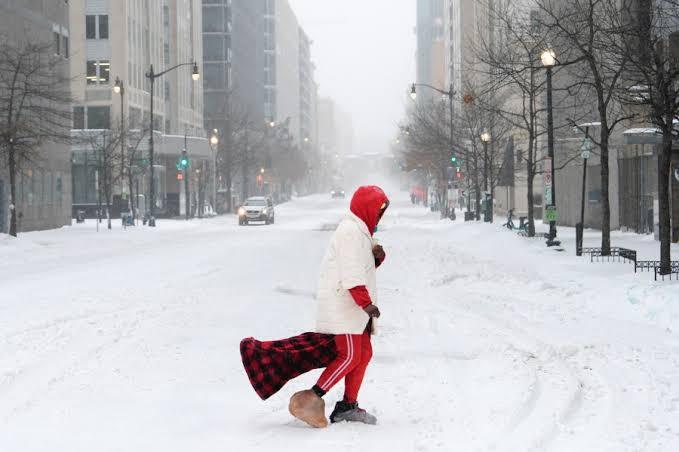
Winter storms are not the first weather challenge that comes to mind when people think about Tucson, Arizona. The city is better known for its desert climate, warm temperatures, and long sunny seasons. However, winter weather events can still create serious disruptions for local businesses. Freezing temperatures, unexpected snowfall in higher elevations, icy roads, power interruptions, supply delays, and unsafe travel conditions can affect employees, customers, vendors, and daily operations.
For small businesses, even a short disruption can create financial pressure. Unlike large corporations with extensive backup systems, many small companies operate with limited staff, smaller inventories, and tighter cash flow. A winter storm preparation plan helps business owners respond quickly, protect employees, reduce property risks, and maintain customer trust when normal operations are interrupted.
Preparing for winter weather in Tucson is not only about reacting to a storm after it arrives. It requires creating policies and procedures before dangerous conditions develop. Businesses that plan ahead can make better decisions, communicate clearly, and recover faster after weather-related disruptions.
Creating Employee Safety Policies Before Winter Storms Arrive
The safety of employees should be the first priority when preparing for winter storms. Business owners should establish clear workplace safety policies that explain what happens when severe weather affects normal operations. Employees should never feel pressured to travel through dangerous conditions simply to report to work.
A strong winter safety policy should include procedures for delayed openings, temporary closures, emergency leave, and flexible scheduling. Employees should know who makes closure decisions, how those decisions will be communicated, and what steps they should follow if they cannot safely reach the workplace.
Businesses should also identify employees who may face additional challenges during winter weather. Workers who commute long distances, use public transportation, work outdoors, or operate vehicles for business purposes may need special instructions during storms. Managers should have conversations with employees before winter arrives to understand potential concerns.
Outdoor workers require additional protection. Landscaping companies, construction businesses, delivery services, and other companies with outdoor employees should provide appropriate clothing recommendations, hydration reminders, and guidelines for working in cold conditions. Even in Tucson, nighttime temperatures can drop significantly during winter weather events.
Employee training should also cover basic winter emergency awareness. Workers should understand the signs of cold-related illness, safe driving expectations, and procedures for reporting hazardous workplace conditions such as icy walkways or damaged equipment.
Developing Remote Work Protocols for Weather Disruptions
Remote work has become one of the most effective tools for maintaining business continuity during unexpected disruptions. Small businesses that can operate digitally should create remote work procedures before a winter storm creates transportation or safety problems.
A remote work plan should identify which employees can work from home, what equipment they need, and which responsibilities can continue outside the physical workplace. Business owners should avoid waiting until a storm arrives to determine whether remote operations are possible.
Technology preparation is an important part of remote work readiness. Businesses should confirm that employees have access to necessary software, cloud storage systems, communication platforms, and security tools. Important files should be backed up regularly so employees can continue working if office access becomes difficult.
Managers should establish expectations for remote work days. Employees should understand required communication schedules, meeting procedures, response times, and productivity goals. A clear plan prevents confusion when normal office routines are interrupted.
Build a simple decision matrix for your team: when the winter storm warning Tucson page shows an active warning, automatically shift to remote operations and send customers an email about modified hours.
Even businesses that cannot fully operate remotely can benefit from partial remote systems. Administrative work, customer support, bookkeeping, scheduling, marketing, and communication tasks may continue from home while physical operations are temporarily paused.
Building Inventory and Supply Chain Buffers
Winter storms can interrupt supply chains in ways that small businesses may not expect. Road conditions, transportation delays, warehouse closures, and supplier shortages can prevent businesses from receiving essential products or materials on time.
Maintaining inventory buffers is one of the simplest ways to reduce storm-related problems. Business owners should identify their most important supplies and determine how long they can operate if deliveries are delayed. This process is especially important for restaurants, retail stores, healthcare providers, repair businesses, and companies that rely on specific equipment or materials.
A practical approach is to create a priority inventory list. Essential items should receive higher safety stock levels, while less critical products may not require additional storage. Businesses should avoid overstocking everything because excess inventory can create unnecessary costs.
Supplier diversification is another important strategy. Depending on only one supplier creates additional risk during emergencies. Whenever possible, businesses should maintain relationships with multiple vendors or identify backup sources for critical products.
Business owners should also communicate with suppliers before winter weather becomes severe. Understanding delivery schedules, backup plans, and potential delays allows companies to make better decisions and inform customers accurately.
Creating Customer Communication Plans During Closures
When a winter storm affects business operations, communication becomes one of the most important factors in maintaining customer relationships. Customers are usually more understanding of closures and delays when businesses provide timely and transparent updates.
Every small business should have a customer communication plan that explains how weather-related changes will be announced. This may include updates through email, social media, websites, phone messages, and online business profiles.
Businesses should prepare closure messages in advance. Having ready-to-use templates saves valuable time during an emergency. Messages should include important details such as closure dates, modified hours, appointment changes, delivery delays, and expected reopening information.
Customer communication should also focus on safety. If customers need to visit a location, businesses should clearly explain any changes to parking availability, entrance conditions, or service limitations. Customers appreciate businesses that prioritize safety rather than attempting to operate under unsafe conditions.
For businesses with appointments or scheduled services, proactive communication is especially important. Contacting customers before they arrive can prevent frustration and demonstrate professionalism.
Reviewing Insurance Coverage Before Winter Weather Problems
Insurance preparation is an essential part of winter storm planning. Many small businesses assume their existing coverage automatically protects them from every type of weather-related damage, but policies vary significantly.
Business owners should review their commercial property insurance policies and understand what types of damage are covered. Potential concerns may include roof damage, water damage from frozen pipes, equipment failures, storm-related property damage, and business interruption losses.
Business interruption insurance can be especially valuable for companies that depend on physical locations. If a storm forces a temporary closure, this type of coverage may help replace lost income or cover certain operating expenses depending on the policy terms.
Small businesses should schedule regular conversations with insurance professionals to identify coverage gaps. Owners should ask questions about weather-related claims, documentation requirements, deductibles, and emergency procedures.
Maintaining records is also important. Businesses should keep photographs, receipts, maintenance records, inventory documentation, and repair information. Detailed records can make the claims process easier if storm damage occurs.
Managing Slip-and-Fall Liability Around Storefronts
One of the biggest risks for businesses during winter weather is customer injury caused by slippery walkways. Store owners have a responsibility to maintain reasonably safe conditions for customers, employees, and visitors entering their property.
Even a small amount of ice, melted snow, or water tracked inside a building can create dangerous conditions. Businesses should create procedures for monitoring entrances, sidewalks, parking areas, and high-traffic spaces during winter storms.
Employees should know who is responsible for checking walking surfaces and how often inspections should occur. Businesses should document inspections and cleanup efforts because records can become important if an accident occurs.
Storefront safety measures may include placing warning signs near wet areas, using absorbent mats, cleaning floors regularly, improving lighting, and removing hazards as quickly as possible. Prevention is usually much less expensive than dealing with injury claims.
Businesses should also consider accessibility requirements. Snow, ice, or debris should not block entrances, ramps, or pathways used by customers with mobility challenges.
Planning Snow and Ice Removal Contracts
Although Tucson does not experience winter weather as frequently as many northern cities, businesses located in areas affected by freezing temperatures or occasional snowfall should consider snow and ice removal planning.
Waiting until a storm arrives to find someone for cleanup can create problems. Local contractors may already be booked, leaving businesses responsible for managing dangerous conditions themselves.
A snow removal contract should clearly explain responsibilities, timing, pricing, and service expectations. Business owners should understand when contractors will begin work, what areas are included, and whether emergency service is available.
Important areas to include in removal plans are sidewalks, parking lots, entrances, loading zones, and employee access points. Businesses should not focus only on customer areas because employee safety is equally important.
Contracts should also clarify liability responsibilities. Business owners should understand whether the contractor carries appropriate insurance and how responsibilities are handled if conditions remain unsafe after service.
Protecting Equipment, Buildings, and Physical Assets
Winter preparation should include protecting business property from cold temperatures and weather-related damage. Pipes, plumbing systems, heating equipment, and electrical systems may require attention before extreme weather arrives.
Businesses should inspect heating systems regularly and schedule maintenance before winter conditions become severe. A heating failure can create uncomfortable and unsafe conditions for employees and customers while potentially damaging equipment or inventory.
Water damage prevention is also important. Pipes exposed to freezing temperatures should be inspected and protected when necessary. Business owners should know where water shutoff valves are located and train responsible employees on emergency procedures.
Creating a Complete Winter Storm Business Continuity Plan
A successful winter storm preparation strategy combines employee safety, technology planning, supply management, customer communication, insurance awareness, and property protection. Small businesses that create a complete continuity plan are better positioned to handle unexpected weather events without major disruption.
The most effective plans are reviewed regularly. Businesses should update emergency contacts, employee information, supplier details, insurance documents, and communication procedures each year before winter begins.
Winter storms may not be a daily concern in Tucson, but preparation is still a smart investment. Weather events can happen quickly, and businesses that respond professionally can protect their employees, serve customers more effectively, and recover faster.
By taking proactive steps today, Tucson small businesses can turn winter weather challenges into manageable situations instead of major operational crises.

 Arabic
 French
 Spanish
 Portuguese
 Deutsch
 Turkish
 Dutch
Dutch
 Italiano
 Russian
 Romaian
 Portuguese (Brazil)
 Greek
Greek
