


How Small Businesses in Phoenix, AZ Should Prepare for Winter Storm Disruptions
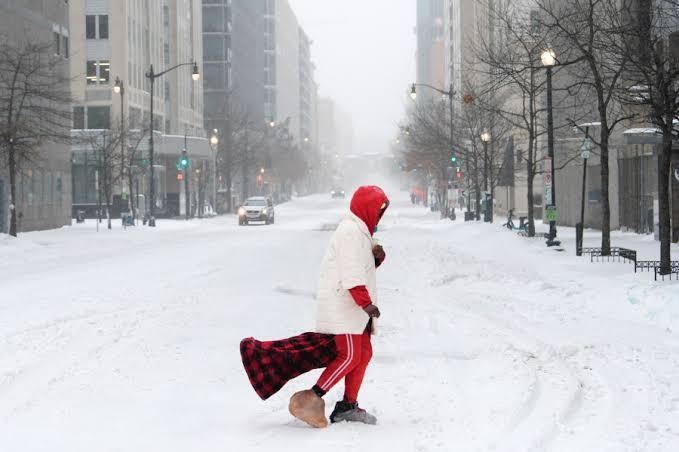
Phoenix is widely recognized for its warm climate, abundant sunshine, and mild winters. However, businesses operating in the Valley of the Sun should not assume that winter weather can never disrupt daily operations. While heavy snow is uncommon in central Phoenix, winter storms can still bring freezing temperatures, rain, hail, strong winds, icy roads in surrounding communities, and regional transportation delays that affect employees, customers, and suppliers.
Many small businesses only think about extreme summer heat when developing emergency plans. Yet winter weather presents a different set of operational risks. Supply deliveries can arrive late, employees may struggle to commute safely from higher elevations, power outages can interrupt operations, and customer traffic may decline significantly during severe weather.
Preparing before a storm arrives helps protect employees, minimize financial losses, maintain customer confidence, and allow businesses to recover more quickly. A practical winter preparedness strategy is an investment that pays dividends regardless of whether a storm lasts one day or an entire week.
Why Winter Planning Matters in Phoenix
Although downtown Phoenix rarely experiences major snowfall, Arizona's transportation network extends through mountain passes and higher elevations where winter storms are much more severe. Interstate highways connecting Phoenix to Flagstaff, Prescott, northern Arizona, New Mexico, Nevada, and California may experience closures or hazardous driving conditions.
For many businesses, disruptions happen not because snow falls on the storefront itself, but because:
- Suppliers cannot deliver inventory.
- Employees commute from colder communities.
- Customers avoid unnecessary travel.
- Utility interruptions affect business operations.
- Freight companies experience regional delays.
Small businesses that prepare for these possibilities often recover much faster than those reacting only after problems develop.
Create a Comprehensive Winter Emergency Plan
Every small business should develop a written emergency response plan that clearly defines responsibilities before, during, and after severe weather.
An effective plan should include:
- Emergency contact lists
- Employee notification procedures
- Remote work expectations
- Temporary closure policies
- Customer communication plans
- Vendor contact information
- Insurance documentation
- Building inspection checklists
- Recovery procedures
The plan should be reviewed annually before winter begins and updated whenever staffing or business operations change.
Employee Safety Policies Should Come First
Employees are a company's most valuable asset. Winter safety policies should prioritize protecting workers instead of encouraging unnecessary travel.
Clear safety policies reduce confusion when weather conditions deteriorate.
Important policies may include:
- Delayed opening procedures
- Early closure guidelines
- Remote work eligibility
- Paid emergency leave options
- Travel safety recommendations
- Hazard reporting procedures
- Emergency communication expectations
Employees should never feel pressured to drive through dangerous road conditions simply to report for work.
Managers should encourage staff to communicate transportation concerns as early as possible.
Develop Reliable Remote Work Protocols
Many businesses learned valuable lessons about remote operations over the past several years. Those systems can also be extremely valuable during winter storms.
Remote work may allow businesses to continue serving customers even if physical offices temporarily close.
Successful remote operations require:
- Secure VPN access
- Cloud-based file storage
- Video conferencing software
- Team messaging platforms
- Remote phone systems
- Customer relationship management access
- Cybersecurity protections
Employees should test remote access before severe weather develops rather than attempting to configure systems during an emergency.
Businesses should also identify which positions require physical presence and which can operate remotely without interruption.
Establish Clear Decision Triggers
Business owners should avoid making closure decisions based solely on intuition.
Instead, create objective criteria that activate different response levels.
For example, build a simple decision matrix for your team: when the winter storm warning Phoenix page shows an active warning, automatically shift to remote operations and send customers an email about modified hours.
Having predefined triggers removes uncertainty and allows staff to respond consistently.
Strengthen Inventory Management
Winter weather frequently affects supply chains long before products reach Phoenix.
Manufacturers may experience weather delays.
Distribution centers may temporarily close.
Truck routes can become hazardous.
Rail shipments may slow significantly.
Businesses should identify critical inventory that cannot easily be replaced on short notice.
Examples include:
- Essential retail products
- Packaging materials
- Office supplies
- Manufacturing components
- Medical supplies
- Cleaning products
- Fuel
- Backup batteries
Maintaining modest inventory buffers helps reduce the impact of temporary shipping disruptions.
Diversify Your Supplier Network
Relying on one supplier creates unnecessary risk.
Whenever possible, establish relationships with multiple vendors located in different geographic regions.
Supplier diversification offers several benefits:
- Reduced dependence on one shipping route
- Faster recovery after disruptions
- Better pricing competition
- Improved availability during shortages
- Greater flexibility during emergencies
Review vendor contracts regularly and identify backup suppliers before emergencies occur.
Review Delivery Schedules
Businesses should understand exactly where shipments originate.
A supplier located in Arizona may still depend on warehouses in Colorado, Utah, or California.
Understanding these logistics helps estimate how winter storms elsewhere could affect inventory availability.
Ask suppliers about:
- Alternate shipping routes
- Emergency inventory levels
- Average recovery times
- Communication procedures
- Delivery prioritization
Better information supports better planning.
Protect Physical Business Assets
Even relatively mild winter storms can damage commercial property.
Property inspections before winter should include:
- Roof condition
- Drainage systems
- Gutters
- Exterior lighting
- Parking lots
- Sidewalks
- HVAC systems
- Exterior signage
- Windows and doors
Addressing small maintenance issues early often prevents expensive repairs later.
Prevent Water Damage
Heavy rain occasionally accompanies Arizona winter storms.
Businesses should inspect:
- Roof flashing
- Window seals
- Door thresholds
- Storm drains
- Exterior grading
Water intrusion can damage inventory, electronics, furniture, and important records.
Keeping valuable equipment elevated from floors can reduce damage if unexpected flooding occurs.
Backup Critical Business Data
Operational disruptions become much worse if important information is lost.
Businesses should maintain:
- Automatic cloud backups
- Encrypted external backups
- Secure customer records
- Vendor databases
- Financial records
- Payroll information
- Employee documentation
Backup systems should be tested regularly to confirm successful restoration.
Customer Communication During Closures
Customers appreciate timely and accurate communication.
Waiting until customers arrive at a closed business creates frustration and damages trust.
Communication plans should include:
- Website updates
- Social media announcements
- Email notifications
- SMS alerts
- Updated voicemail greetings
- Google Business Profile updates
Messages should clearly explain:
- Modified business hours
- Remote service availability
- Expected reopening
- Alternative purchasing options
- Customer support contacts
Consistency across communication channels reduces confusion.
Create Message Templates Before They're Needed
Draft communication templates before winter begins.
Prepared templates save valuable time during emergencies.
Templates may include:
- Delayed opening notices
- Early closure announcements
- Remote service updates
- Delivery delay explanations
- Appointment rescheduling
- Weather-related safety messages
Managers can then customize only the dates and operational details.
Maintain Strong Customer Relationships
Weather disruptions provide opportunities to strengthen customer loyalty.
Businesses that communicate honestly and proactively often retain customer confidence.
Instead of simply announcing closures, explain:
- Why safety decisions were made
- Expected timelines
- Available alternatives
- Appreciation for customer patience
Transparency builds trust.
Understand Insurance Coverage
Business owners should review insurance policies annually before winter.
Important coverage may include:
- Commercial property insurance
- Business interruption insurance
- Equipment breakdown coverage
- Commercial auto insurance
- General liability insurance
- Workers' compensation
- Cyber insurance
Many owners discover coverage limitations only after filing a claim.
Review deductibles, exclusions, waiting periods, and documentation requirements with an insurance professional.
Business Interruption Coverage
Temporary closures may reduce revenue significantly.
Business interruption insurance may help offset:
- Lost income
- Continuing operating expenses
- Temporary relocation costs
- Payroll obligations
- Extra operating expenses
Coverage varies considerably between policies.
Business owners should understand exactly what events trigger benefits.
Document Property Before Storms
Maintain current photographs of:
- Interior workspaces
- Equipment
- Inventory
- Exterior property
- Roofing
- Parking areas
- Signage
Accurate documentation simplifies insurance claims if damage occurs.
Digital records should be securely backed up.
Reduce Slip-and-Fall Liability
Although snow accumulation is uncommon in Phoenix, rain, ice, and occasional freezing conditions can create dangerous walking surfaces.
Business owners have a responsibility to maintain reasonably safe premises.
Potential hazards include:
- Wet tile entrances
- Slippery sidewalks
- Ice patches
- Standing water
- Uneven pavement
- Poor lighting
Failure to address hazards promptly may increase liability exposure.
Improve Storefront Safety
Preventive measures include:
- Non-slip entrance mats
- Frequent floor inspections
- Wet floor warning signs
- Adequate lighting
- Prompt water removal
- Handrails where appropriate
Employees should receive training on identifying and correcting hazards quickly.
Inspection logs can also demonstrate reasonable maintenance efforts if liability questions arise.
Parking Lot Maintenance
Customers frequently encounter hazards before entering the building.
Inspect parking areas for:
- Drainage problems
- Potholes
- Standing water
- Damaged curbs
- Poor visibility
Well-maintained parking lots improve both safety and customer confidence.
Snow Removal Contracts for Commercial Properties
While significant snowfall is rare in Phoenix itself, businesses with locations in surrounding communities or higher elevations should establish snow removal agreements before winter.
Waiting until a storm arrives often results in:
- Limited contractor availability
- Higher prices
- Delayed service
Snow removal contracts should specify:
- Trigger depth for service
- Response time
- Areas covered
- Sidewalk clearing
- Parking lot treatment
- Ice management
- Equipment responsibilities
- Emergency contact procedures
Even businesses in Phoenix may benefit if they own facilities in northern Arizona or depend on regional warehouses.
Coordinate with Property Managers
Businesses leasing commercial space should clarify responsibilities before winter.
Questions to discuss include:
- Who clears sidewalks?
- Who maintains parking lots?
- Who handles roof inspections?
- Who contacts contractors?
- Who pays for emergency repairs?
- What documentation is required?
Written agreements reduce confusion during emergencies.
Prepare Utility Contingency Plans
Power outages are less common than transportation disruptions but remain possible during severe storms.
Businesses should identify:
- Essential electrical equipment
- Battery backup systems
- Surge protection
- Emergency lighting
- Backup internet options
- Generator policies where appropriate
Testing emergency equipment before winter improves reliability.
Train Employees Regularly
Emergency plans only work when employees understand them.
Training sessions should review:
- Communication procedures
- Evacuation routes
- Remote work expectations
- Customer service protocols
- Hazard reporting
- Incident documentation
Short refresher sessions each autumn help reinforce preparedness.
Monitor Financial Risks
Winter disruptions can affect cash flow.
Businesses should maintain financial flexibility through:
- Emergency operating reserves
- Available credit lines
- Expense prioritization
- Updated financial forecasts
- Vendor payment planning
Cash reserves help organizations recover more quickly from temporary revenue interruptions.
Build Community Partnerships
Relationships with neighboring businesses often become valuable during emergencies.
Community partnerships may include:
- Sharing emergency information
- Coordinating deliveries
- Referring customers
- Pooling resources
- Supporting recovery efforts
Strong local networks improve resilience for everyone involved.
Conduct After-Action Reviews
Every weather event offers learning opportunities.
After normal operations resume, evaluate:
- What worked well
- What caused delays
- Employee feedback
- Customer responses
- Communication effectiveness
- Inventory performance
- Technology reliability
Updating emergency plans based on real experiences creates continuous improvement.
Final Thoughts
Winter storms may not be the first hazard that comes to mind when thinking about Phoenix, Arizona, but they can still create meaningful disruptions for small businesses through transportation delays, regional supply chain interruptions, hazardous travel conditions, and temporary operational challenges. Organizations that prepare well before severe weather arrives are better positioned to protect employees, maintain customer confidence, reduce financial losses, and resume normal operations quickly.
By implementing thoughtful employee safety policies, establishing dependable remote work procedures, maintaining inventory buffers, communicating proactively with customers, reviewing insurance coverage, reducing slip-and-fall risks, and arranging snow removal services where necessary, Phoenix businesses can build resilience that extends beyond winter weather. Comprehensive preparation is not simply about surviving the next storm—it is about creating a stronger, more adaptable business capable of handling a wide range of unexpected challenges throughout the year

 English
 Arabic
 French
 Portuguese
 Deutsch
 Turkish
 Dutch
Dutch
 Italiano
 Russian
 Romaian
 Portuguese (Brazil)
 Greek
Greek
