


Choosing the Right Arabic Voice Over Agency: A Complete Guide
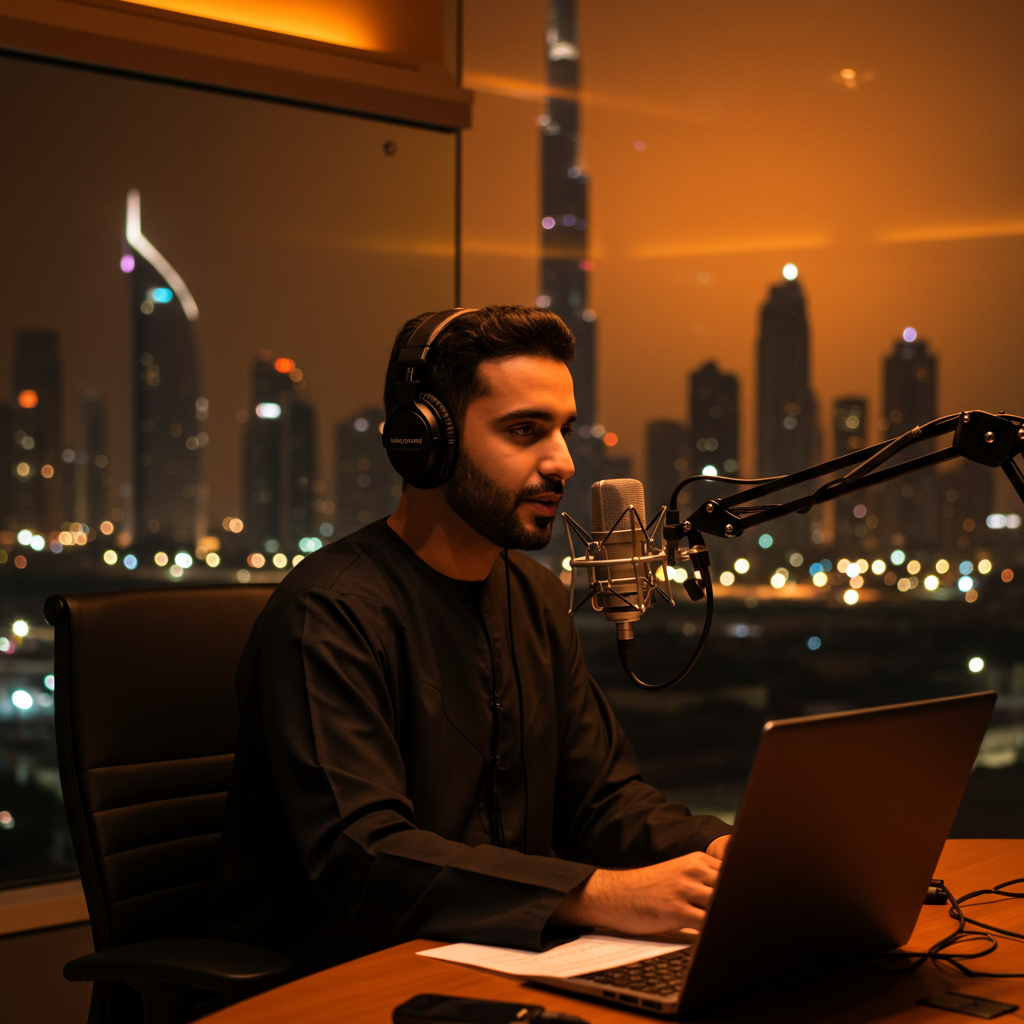
Arabic is one of the most widely spoken languages in the world, spanning more than 20 countries and hundreds of millions of native speakers. For brands, filmmakers, e-learning platforms, and advertisers looking to connect authentically with Arabic-speaking audiences, working with a professional Arabic voice over agency is no longer optional — it's essential.
Whether you're localizing a corporate training video, dubbing a film, producing a commercial, or building an IVR system, the quality of your voice over can make or break how your message is received. This guide explains what an Arabic voice over agency does, why it matters, and how to choose the right one for your project.
What Is an Arabic Voice Over Agency?
An Arabic voice over agency is a professional service provider that connects businesses with skilled Arabic-speaking voice talent for a wide range of audio and video projects. These agencies typically manage everything from casting and recording to editing, translation, and final delivery — offering a streamlined, end-to-end solution rather than requiring clients to source freelance talent independently.
A reputable agency will offer:
- Access to vetted native speakers across multiple Arabic dialects (Modern Standard Arabic, Egyptian, Gulf, Levantine, Maghrebi, and more)
- Professional recording studios with broadcast-quality sound engineering
- Translation and localization support, not just narration
- Project management to handle timelines, revisions, and multi-language rollouts
- Quality assurance processes including native-speaker review and script accuracy checks
Why Arabic Voice Over Requires Specialized Expertise
Arabic is not a single, uniform language when it comes to spoken communication. It exists on a spectrum between Modern Standard Arabic (MSA) — used in formal media, news, and official documents — and numerous regional dialects that vary significantly by country and even city.
This complexity means that a generic or poorly matched voice over can easily miss the mark. Key challenges include:
- Dialect selection — choosing between MSA and regional dialects depending on the target audience and content type
- Cultural nuance — tone, pacing, and phrasing that resonate differently across Arabic-speaking regions
- Script adaptation — literal translations often sound unnatural; localization requires cultural and linguistic adjustment
- Right-to-left text and formatting — relevant when voice over is paired with on-screen Arabic subtitles or graphics
- Gender and formality conventions — Arabic grammar reflects gender and formality in ways English does not, which affects script writing and delivery
A specialized agency understands these nuances and can guide clients toward the right choice for their specific audience and objective.
Key Services Offered by Arabic Voice Over Agencies
Most established agencies provide a broad suite of services designed to support projects from concept to final delivery:
- Commercial and advertising voice over for TV, radio, and digital campaigns
- Corporate and e-learning narration for training modules, onboarding videos, and presentations
- Documentary and film dubbing with lip-sync or timed narration
- IVR and telephony recordings for customer service systems
- Video game localization with character-specific voice casting
- Audiobook narration across genres and formats
- Podcast and audio content production
What to Look for When Choosing an Agency
Selecting the right partner is critical to the success of your localization project. Consider the following factors:
- Portfolio and demo reels — Review previous work to assess voice quality, range, and production standards
- Dialect and talent diversity — Confirm the agency has access to the specific dialect your target audience speaks
- Turnaround time — Ensure their production timeline aligns with your project deadlines
- Studio quality — Ask about recording equipment, acoustic treatment, and audio engineering standards
- Client reviews and testimonials — Look for consistent, verifiable feedback from past clients
- Pricing transparency — Understand what's included (revisions, licensing, file formats) before signing a contract
- Data security and confidentiality — Especially important for corporate or unreleased media content
The Business Value of Investing in Professional Arabic Voice Over
Cutting corners on voice over quality can undermine even the strongest marketing or educational content. High-quality Arabic voice over delivers measurable benefits:
- Stronger audience trust and engagement, since authentic delivery builds credibility
- Higher conversion rates for advertising and marketing campaigns
- Improved learning outcomes in e-learning and training content, thanks to natural, clear narration
- Consistent brand voice across multiple markets and platforms
- Reduced revision cycles, saving both time and budget in the long run
Conclusion
Partnering with a professional Arabic voice over agency is a strategic investment for any organization looking to communicate authentically with Arabic-speaking audiences. From dialect selection and cultural nuance to studio-quality production and project management, the right agency brings expertise that generic freelance solutions often can't match. By carefully evaluating an agency's talent pool, portfolio, turnaround capabilities, and pricing structure, businesses can ensure their message is delivered with the clarity, authenticity, and professionalism it deserves — ultimately strengthening their connection with one of the world's largest and most diverse language markets.
FAQ's
1. What is the difference between Modern Standard Arabic (MSA) and dialectal Arabic voice over?
MSA is the formal, standardized form of Arabic used in news broadcasts, official documents, and educational content, understood broadly across the Arab world. Dialectal Arabic reflects the everyday spoken language of a specific region (e.g., Egyptian, Gulf, or Levantine) and is often preferred for advertising, entertainment, and content aiming for a more relatable, local feel.
2. How much does professional Arabic voice over typically cost?
Pricing varies based on factors like project length, usage rights, talent experience, dialect requirements, and turnaround time. Most agencies offer custom quotes after reviewing the script and project scope, so it's best to request a detailed proposal for accurate pricing.
3. How do I know which Arabic dialect is right for my project?
The right dialect depends on your target audience's location and the nature of your content. A reputable agency will typically ask about your target market and content goals, then recommend the most suitable dialect or, for broad regional reach, MSA.
4. Can an Arabic voice over agency also handle translation and script localization?
Yes, most full-service agencies offer translation and localization alongside voice recording, ensuring the script is culturally adapted rather than simply translated word-for-word, which significantly improves the natural flow of the final narration.
5. What file formats and delivery options are typically available?
Standard formats include WAV and MP3, with agencies often able to accommodate specific technical requirements such as sample rate, bit depth, or synced video files for dubbing projects. It's advisable to confirm format needs before the project begins to avoid delays.

 English
 French
 Spanish
 Portuguese
 Deutsch
 Turkish
 Dutch
Dutch
 Italiano
 Russian
 Romaian
 Portuguese (Brazil)
 Greek
Greek
