


Cybersecurity Solutions for Healthcare: Securing Modern Care
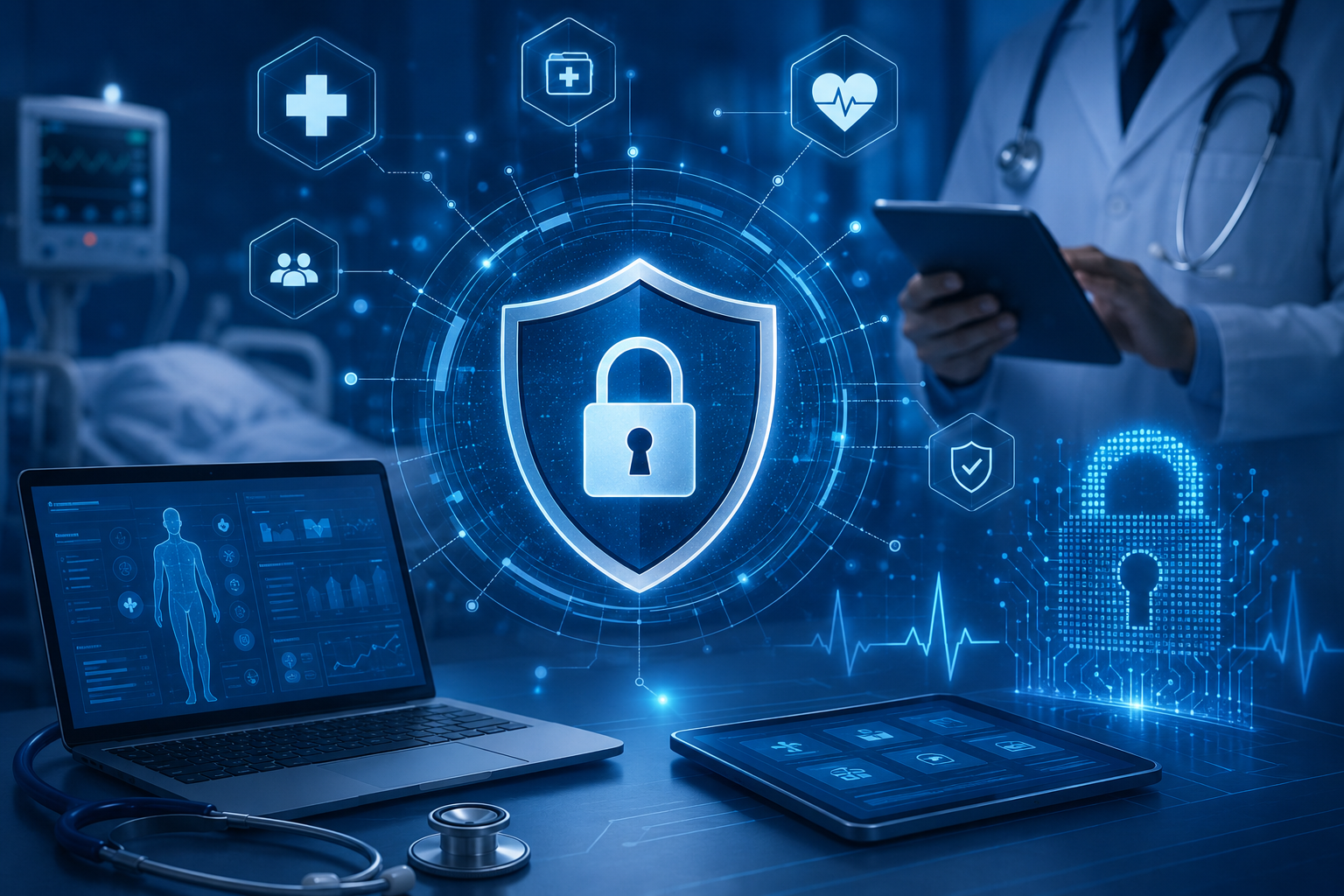
Healthcare organizations are embracing digital innovation faster than ever before. Electronic health records, cloud-based applications, connected medical devices, and telehealth platforms have transformed the way care is delivered. While these advancements improve efficiency and patient experiences, they also introduce new cybersecurity challenges. Every connected system creates another potential entry point for cyber threats, making a proactive security strategy essential.
Protecting healthcare data goes beyond safeguarding technology—it helps preserve patient trust, supports uninterrupted clinical operations, and strengthens the organization's long-term resilience. A comprehensive cybersecurity approach enables healthcare providers to confidently adopt new technologies while reducing exposure to evolving digital risks.
Why Cybersecurity Solutions For Healthcare Matter More Than Ever
Healthcare organizations rely on technology to manage patient records, communicate across departments, and support daily operations. Cybersecurity Solutions For Healthcare provide the foundation for protecting these critical systems against unauthorized access, malware, ransomware, phishing attacks, and other emerging threats. A layered security strategy helps safeguard sensitive information, improve operational reliability, and ensure healthcare professionals can continue delivering quality patient care without unnecessary disruptions.
The Growing Digital Landscape in Healthcare
Healthcare facilities today operate within highly connected environments. From scheduling appointments to monitoring patients remotely, technology has become an integral part of modern medical services.
This increased connectivity delivers many advantages, including:
- Faster access to patient information
- Improved collaboration among healthcare teams
- Better operational efficiency
- Enhanced patient experiences
- Increased accessibility through remote care
- More accurate clinical decision-making
However, every digital improvement must be supported by strong cybersecurity practices to minimize security risks.
Common Cybersecurity Challenges Facing Healthcare
Healthcare organizations encounter numerous cybersecurity challenges that require continuous attention and proactive management.
Ransomware Threats
Cybercriminals frequently target healthcare institutions because uninterrupted access to patient information is essential. Ransomware attacks can temporarily lock critical systems, delaying patient care and disrupting operations.
Phishing Attempts
Email remains one of the most common attack methods. Fraudulent emails often attempt to trick employees into revealing login credentials or downloading malicious software.
Insider Security Risks
Not every security incident originates from external attackers. Human error, accidental data exposure, and unauthorized internal access can also compromise sensitive information.
Connected Medical Equipment
Medical devices connected to organizational networks improve patient monitoring but require regular maintenance and security updates to reduce vulnerabilities.
Third-Party Technology Risks
Healthcare organizations often rely on external vendors and cloud services. Strong security policies help reduce risks associated with third-party integrations.
Building a Strong Security Foundation
An effective cybersecurity program consists of multiple protective layers working together.
Identity and Access Management
Employees should only access the systems necessary for their responsibilities. Multi-factor authentication and role-based access control strengthen account security.
Network Protection
Healthcare networks require continuous monitoring to detect suspicious activity before it develops into larger security incidents.
Endpoint Security
Computers, tablets, mobile devices, and connected medical equipment should all receive consistent security protection to reduce potential attack surfaces.
Data Encryption
Sensitive healthcare information should remain encrypted both while stored and during transmission to help prevent unauthorized access.
Backup and Recovery
Reliable backups allow organizations to restore systems efficiently following unexpected disruptions or cyber incidents.
Protecting Sensitive Patient Information
Patient information is among the most valuable forms of digital data. Maintaining confidentiality is essential for building trust and supporting quality healthcare services.
Organizations can improve data protection by:
- Limiting unnecessary data access
- Encrypting confidential records
- Monitoring system activity
- Implementing secure authentication methods
- Conducting regular security reviews
- Maintaining strong password policies
These practices help reduce the likelihood of unauthorized access while strengthening overall security.
The Role of Employee Awareness
Technology cannot stop every cyber threat without employee participation. Staff members play an essential role in maintaining organizational security.
Healthcare employees should receive ongoing education covering topics such as:
- Recognizing phishing emails
- Creating secure passwords
- Identifying suspicious website links
- Protecting patient information
- Reporting unusual system behavior
- Following organizational security policies
Regular cybersecurity awareness training helps employees become an active part of the organization's overall defense strategy.
Continuous Monitoring Improves Security
Cyber threats continue evolving, making continuous monitoring an important part of any healthcare cybersecurity program.
Monitoring systems can help organizations:
- Detect unusual network activity
- Identify unauthorized login attempts
- Monitor endpoint health
- Review security alerts
- Respond to incidents more quickly
- Improve visibility across digital environments
Early detection allows security teams to minimize the impact of potential threats before they affect healthcare operations.
Developing an Effective Incident Response Plan
Even well-protected organizations should prepare for unexpected cybersecurity incidents.
An incident response plan typically includes:
- Threat identification
- Immediate containment
- Investigation and analysis
- System recovery procedures
- Internal communication
- Security improvements after recovery
Testing response plans regularly ensures employees understand their responsibilities during a cybersecurity event.
Best Practices for Long-Term Cybersecurity Success
Maintaining strong cybersecurity requires continuous improvement rather than one-time implementation.
Healthcare organizations should regularly:
- Update software and operating systems
- Patch known vulnerabilities
- Review user permissions
- Monitor network activity
- Conduct routine security assessments
- Test backup systems
- Strengthen authentication controls
- Review third-party security practices
- Improve employee awareness programs
- Evaluate evolving cyber risks
Consistent improvement creates a stronger security posture capable of adapting to emerging threats.
Why Organizations Choose CyRx360, Inc.
Healthcare providers require cybersecurity partners that understand both modern technology and evolving cyber risks. CyRx360, Inc. helps organizations strengthen their security posture through proactive risk management, continuous security monitoring, vulnerability identification, compliance-focused strategies, and comprehensive cybersecurity solutions designed to support resilient healthcare operations.
By focusing on prevention, visibility, and continuous improvement, organizations can confidently protect sensitive information while supporting uninterrupted patient care and long-term digital growth.
Conclusion
As healthcare continues embracing digital transformation, cybersecurity becomes increasingly important for protecting patients, healthcare professionals, and organizational operations. A comprehensive security strategy combines advanced technology, employee awareness, continuous monitoring, and well-defined security processes to reduce cyber risks effectively.
Organizations that invest in proactive cybersecurity today are better prepared to defend against future threats while maintaining trust, operational continuity, and high-quality patient care. Building a resilient security framework ensures healthcare providers can continue delivering essential services with confidence in an ever-changing digital landscape.
Frequently Asked Questions
1. Why is cybersecurity important in healthcare?
Cybersecurity protects patient information, secures healthcare systems, supports uninterrupted operations, and reduces the risk of cyberattacks.
2. What types of cyber threats commonly affect healthcare organizations?
Healthcare organizations commonly face ransomware, phishing attacks, malware, insider threats, credential theft, and attacks targeting connected medical devices.
3. How can healthcare providers improve cybersecurity?
Healthcare providers can strengthen security through employee training, multi-factor authentication, encryption, continuous monitoring, regular system updates, and comprehensive risk assessments.
4. Why is continuous monitoring important?
Continuous monitoring helps identify suspicious activity quickly, allowing organizations to respond before threats cause significant operational disruption.
5. What benefits does a strong cybersecurity strategy provide?
A strong cybersecurity strategy improves data protection, supports operational resilience, enhances patient trust, reduces security risks, and enables healthcare organizations to adopt new technologies with greater confidence.

 English
 Arabic
 French
 Spanish
 Portuguese
 Deutsch
 Turkish
 Italiano
 Russian
 Romaian
 Portuguese (Brazil)
 Greek
Greek
