


Steel Jacketing Benefits for Heavy Industrial Buildings
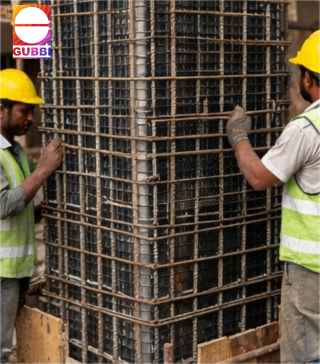
Buildings and industrial structures are designed to last for decades, but time, environmental exposure, increased loads, poor construction practices, and changing usage can reduce their structural capacity. Small cracks, corrosion, concrete deterioration, and weakened columns often indicate deeper structural issues that should never be ignored. Instead of demolishing an existing structure, many property owners now choose structural strengthening services to restore safety, improve durability, and extend the life of their buildings. Among the most trusted strengthening techniques available today, column jacketing, concrete jacketing, and steel jacketing are widely used for residential buildings, commercial complexes, factories, warehouses, bridges, and industrial plants. These methods increase the load-bearing capacity of structural members while minimizing downtime and avoiding complete reconstruction. Whether a building has experienced aging, overloading, seismic damage, or material deterioration, professional strengthening solutions provide a practical and cost-effective alternative.
What Are Structural Strengthening Services?
Structural strengthening services involve engineering methods used to improve the strength, stability, and performance of existing structures. Instead of replacing an entire building, engineers strengthen weak structural components so they can safely carry present and future loads. These services are commonly used in buildings that show signs of deterioration, require renovation, or need to support additional floors or heavy equipment.
Structural strengthening begins with a detailed engineering assessment. Engineers inspect the condition of columns, beams, slabs, foundations, and load paths before recommending the most suitable strengthening method. Every structure has different challenges, making customized solutions far more effective than standard repair techniques.
Why Buildings Need Structural Strengthening
Many people believe structural problems appear only in very old buildings. In reality, even relatively new structures can require strengthening due to design changes, construction defects, increased operational loads, environmental exposure, or accidental damage. Ignoring these warning signs can lead to higher repair costs and increased safety risks over time.
Some of the most common reasons include:
-
Increase in building load
-
Addition of new floors
-
Earthquake resistance improvement
-
Concrete deterioration
-
Steel reinforcement corrosion
-
Industrial equipment installation
-
Water damage
-
Structural cracks
-
Design modifications
-
Long-term aging
Strengthening existing structures is often more economical than demolition and reconstruction, making it a preferred choice for industries, commercial buildings, and residential projects.
Understanding Column Jacketing
Column jacketing is one of the most effective techniques used to increase the strength and load-carrying capacity of reinforced concrete columns. When a column becomes weak due to deterioration, design changes, or additional loading requirements, engineers reinforce it by adding a protective structural jacket around the existing column.
This additional layer increases both the cross-sectional area and reinforcement, allowing the column to safely resist higher loads. Column jacketing also improves structural stability during earthquakes by enhancing ductility and reducing the possibility of sudden failure.
Benefits of Column Jacketing
-
Increases load-bearing capacity
-
Improves seismic performance
-
Extends building lifespan
-
Reduces structural instability
-
Minimizes demolition requirements
-
Cost-effective strengthening method
-
Suitable for residential and industrial buildings
Because columns transfer loads throughout the structure, strengthening them significantly improves overall building safety.
What Is Concrete Jacketing?
Concrete jacketing is another highly effective structural strengthening technique used when reinforced concrete members have lost strength or require additional capacity. The process involves surrounding the existing structural element with new reinforced concrete while integrating fresh reinforcement bars to improve its performance.
Concrete jacketing is widely used for columns, beams, retaining walls, and bridge piers. The new concrete works together with the original member, creating a stronger structural section capable of resisting greater loads and environmental stresses.
Unlike cosmetic surface repairs, concrete jacketing addresses the structural core of the problem. It restores the member's strength while protecting reinforcement from further corrosion and deterioration.
Advantages of Concrete Jacketing
-
Higher structural strength
-
Increased durability
-
Better resistance to corrosion
-
Improved load distribution
-
Long service life
-
Economical rehabilitation solution
-
Excellent compatibility with existing concrete
This method is commonly selected for buildings undergoing renovation or structural upgrades.
How Steel Jacketing Strengthens Structures
Steel jacketing is a strengthening method where steel plates or steel sections are installed around structural members to improve their strength and stiffness. This technique is particularly useful when rapid strengthening is required or when space limitations prevent thicker concrete jackets.
Steel jacketing provides immediate structural enhancement because steel has high tensile strength. Engineers commonly use it for industrial buildings, bridges, heavy machinery foundations, parking structures, and earthquake-resistant upgrades.
The steel components are securely connected to the existing structure, allowing both materials to share structural loads efficiently. Proper corrosion protection also ensures long-term durability in challenging environments.
Benefits of Steel Jacketing
-
Fast installation
-
High structural efficiency
-
Excellent load capacity
-
Minimal increase in member size
-
Suitable for industrial applications
-
Effective seismic strengthening
-
Reduced project downtime
Choosing the Right Strengthening Technique
No single strengthening technique works for every structure. Engineers evaluate several important factors before recommending the appropriate solution. These include structural condition, available space, loading requirements, environmental exposure, and long-term maintenance expectations.
For example, concrete jacketing may be suitable for heavily deteriorated reinforced concrete columns, while steel jacketing may be preferred where quick installation is essential. In some projects, multiple strengthening methods are combined to achieve the best performance.
A professional structural assessment ensures that strengthening work addresses the actual cause of the problem rather than simply treating visible damage.
During the evaluation process, working with experienced engineering professionals is essential. Companies like Gubbi Civil Engineers Limited recommend selecting strengthening solutions only after detailed structural analysis, ensuring the chosen technique improves safety, durability, and long-term structural performance without unnecessary repairs or additional costs.
Where Structural Strengthening Services Are Used
Structural strengthening is applicable across many sectors because buildings of every type experience aging and changing operational demands. Modern strengthening methods help restore safety while allowing structures to continue functioning during or after rehabilitation.
Common applications include:
-
Residential apartments
-
Commercial buildings
-
Shopping malls
-
Industrial plants
-
Manufacturing facilities
-
Warehouses
-
Educational institutions
-
Hospitals
-
Bridges
-
Parking structures
-
Heritage buildings
-
Water treatment plants
Every project requires site-specific engineering calculations to ensure strengthening measures meet current structural requirements.
Signs Your Building May Need Structural Strengthening
Many structural problems begin with small warning signs that gradually become more serious. Property owners should never ignore visible deterioration because early intervention often reduces repair costs and prevents larger structural failures.
Common warning signs include:
-
Large structural cracks
-
Sagging beams
-
Column damage
-
Concrete spalling
-
Exposed reinforcement bars
-
Corrosion stains
-
Uneven floor settlement
-
Water infiltration
-
Excessive structural vibration
-
Reduced load capacity
If any of these conditions are observed, a structural inspection should be scheduled as soon as possible to determine the extent of strengthening required.
Benefits of Professional Structural Strengthening Services
Professional strengthening goes far beyond repairing visible damage. Engineers analyze the complete structural system before designing reinforcement strategies that improve overall building performance. Proper strengthening enhances both immediate safety and long-term durability while helping owners avoid expensive reconstruction.
Major benefits include:
-
Improved structural safety
-
Longer building lifespan
-
Increased load capacity
-
Better earthquake resistance
-
Reduced maintenance costs
-
Lower reconstruction expenses
-
Improved operational reliability
-
Enhanced property value
-
Sustainable infrastructure preservation
These advantages make strengthening a practical investment for both private and industrial property owners.
Common Mistakes to Avoid During Structural Strengthening
Structural strengthening should never be approached as a simple repair project. Incorrect material selection, poor workmanship, or inadequate structural analysis can reduce the effectiveness of strengthening and create additional safety concerns.
Some common mistakes include:
-
Ignoring structural assessment
-
Treating cosmetic damage as structural repair
-
Using unsuitable strengthening materials
-
Poor reinforcement detailing
-
Inadequate quality control
-
Delaying repairs after damage appears
-
Hiring inexperienced contractors
-
Skipping post-strengthening inspections
Avoiding these mistakes helps ensure that strengthening delivers long-lasting performance and reliable structural safety.
Structural deterioration is a challenge that affects buildings of every size and purpose, but it does not always require demolition or complete reconstruction. Modern structural strengthening services provide effective solutions that restore safety, improve durability, and increase load-bearing capacity while preserving existing structures. Techniques such as column jacketing, concrete jacketing, and steel jacketing allow engineers to strengthen weakened structural members with proven and reliable methods.
Choosing the right strengthening approach begins with a detailed structural assessment and a solution tailored to the building's actual condition. When carried out by experienced professionals, structural strengthening not only protects occupants and assets but also extends the service life of valuable infrastructure. Investing in timely strengthening ensures buildings remain safe, functional, and capable of meeting future performance demands while reducing long-term repair costs.

 Arabic
 French
 Spanish
 Portuguese
 Deutsch
 Turkish
 Dutch
Dutch
 Italiano
 Russian
 Romaian
 Portuguese (Brazil)
 Greek
Greek
