


Floor Sanding: Complete Guide to Restoring Hardwood Surfaces
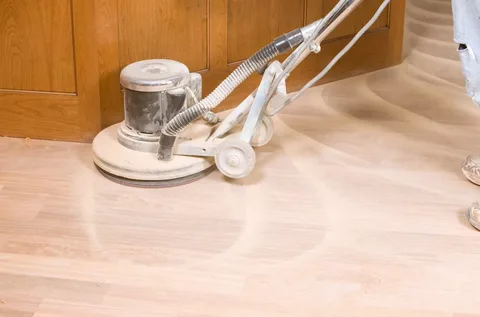
When performed correctly, sanding not only improves appearance but also significantly increases the lifespan of hardwood floors.
What Is Floor Sanding and Why It Matters
Floor sanding is a restoration technique that removes the upper damaged layer of wooden flooring using specialized sanding equipment. This allows the original wood grain to reappear, eliminating scratches, stains, and worn-out finishes.
It is an essential process because hardwood naturally degrades over time due to exposure and usage. Without sanding, the surface becomes rough and uneven, making the floor look older than it actually is. Sanding resets the surface condition and prepares it for refinishing treatments like staining or sealing.
How Floor Sanding Works in Practice
The process of sanding follows a structured, multi-stage approach to ensure a smooth and even finish. First, the room is cleared completely, and the floor is inspected for nails, staples, or loose boards that may interfere with sanding machines.
Next, professionals use heavy-duty sanding machines that work in layers. Coarse grit sandpaper is used first to remove old finishes and deep scratches. Medium grit follows to smooth out uneven textures, and finally, fine grit sanding creates a polished, even surface ready for finishing.
Each stage is important because skipping steps can result in uneven surfaces or visible marks.
Essential Preparation Before Sanding
- Remove all furniture, rugs, and floor coverings completely
- Inspect the floor for damage, protruding nails, or loose boards
- Ensure the surface is clean and dry before sanding begins
Proper preparation helps avoid machine damage and ensures a consistent sanding result across the entire floor.
Why Floor Sanding Requires Precision
Sanding is not just about removing the surface layer. It requires controlled precision. If too much pressure is applied, it can damage the wood permanently. If too little is used, imperfections remain visible.
A proper sanding process carefully balances depth removal while preserving the structural integrity of the flooring.
Floor Sanding Beverly Hills Techniques and Standards
Modern sanding techniques often use dustless systems that significantly reduce airborne particles during the process. This is especially important in residential environments where cleanliness and air quality matter.
Skilled technicians adjust sanding depth based on wood type, thickness, and existing damage. This ensures that only the necessary layer is removed, preserving the strength of the flooring underneath.
Tools and Equipment Used in Sanding
- Drum sanders for large surface leveling
- Edge sanders for corners and tight areas
- Industrial vacuum systems for dust control
These tools work together to create a smooth and uniform surface across the entire floor.
Problems That Floor Sanding Can Fix
Floor sanding is highly effective in correcting a wide range of surface issues. It removes scratches caused by furniture movement, eliminates stains that penetrate the finish, and smooths out uneven textures.
It also removes old layers of polish or sealant that may have worn unevenly over time, restoring a consistent appearance.
Mistakes That Should Be Avoided
- Skipping sanding grit progression stages
- Applying uneven pressure on sanding machines
- Failing to remove dust between sanding passes
These mistakes can lead to uneven finishes or permanent surface marks.
Where Floor Sanding Beverly Hills Services Are Commonly Used
In high-end residential interiors, sanding is often used as part of full floor restoration projects. Instead of replacing flooring, homeowners prefer restoration because it preserves original wood quality while achieving a refreshed look.
Professional floor sanding Beverly Hills service providers often combine sanding with refinishing techniques to achieve long-lasting results.
Maintenance After Sanding
After sanding is complete, proper maintenance is essential to preserve the newly restored surface. Floors should be cleaned using soft tools and protected from excess moisture.
Using furniture pads, avoiding harsh cleaning chemicals, and regular sweeping can help maintain the smooth finish for years.
Summary
Floor restoration is one of the most effective ways to revive worn hardwood surfaces without replacing them. When performed with proper technique, floor sanding service removes surface damage, restores natural beauty, and prepares the floor for long-lasting protection. It remains a preferred solution for homeowners who want both durability and aesthetic improvement.

 English
 Arabic
 French
 Portuguese
 Deutsch
 Turkish
 Dutch
Dutch
 Italiano
 Russian
 Romaian
 Portuguese (Brazil)
 Greek
Greek
