


Door Knob Faceplate: Complete Guide to Types, Materials, Installation, and Replacement
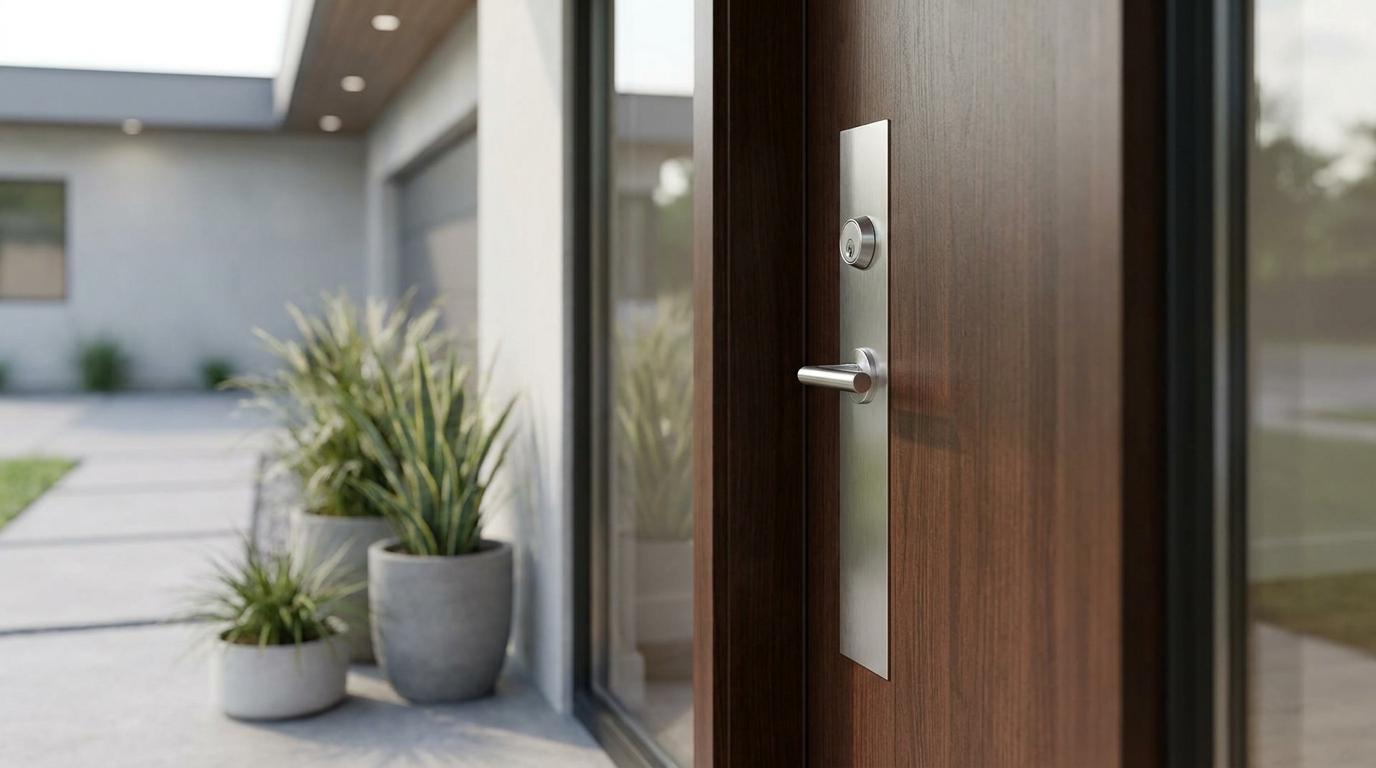
Many homeowners focus on choosing an attractive door knob but overlook one of its most important components—the door knob faceplate. Although it appears to be a small metal piece, the faceplate plays a significant role in the appearance, security, and functionality of every door.
Whether you're replacing worn hardware, installing a new lockset, or upgrading your home's style, understanding door knob faceplates helps you make a better purchasing decision. This guide explains everything from the different types and materials to installation tips and maintenance practices.
What Is a Door Knob Faceplate?
A door knob faceplate is the metal plate attached around the latch or the decorative trim surrounding the knob assembly, depending on the hardware design. Its primary purpose is to protect the door, secure the latch mechanism, and provide a finished appearance.
Most residential locksets include at least two important faceplates:
- The latch faceplate installed on the edge of the door
- The decorative trim plate surrounding the door knob
The latch faceplate helps secure the latch inside the door while ensuring smooth operation whenever the door opens or closes. Decorative trim plates hide installation holes and screws, creating a polished appearance.
Manufacturers such as Schlage, Kwikset, Yale, Baldwin, and Emtek produce faceplates in multiple sizes and finishes to match different architectural styles.
Main Parts of a Door Knob Faceplate
Understanding the different faceplates helps avoid ordering incompatible replacement parts.
Latch Faceplate
Installed on the edge of the door, this plate surrounds the latch bolt and prevents wood from wearing over time. It also keeps the latch securely aligned.
Decorative Trim Plate
This circular or rectangular plate surrounds the door knob or lever. Besides improving appearance, it hides screws and protects the surface from scratches caused by frequent use.
Strike Plate
Although technically mounted on the door frame rather than the door itself, the strike plate works together with the latch faceplate. It receives the latch bolt and helps reinforce the locking point.
Higher-quality strike plates often use longer mounting screws that improve resistance against forced entry.
Common Types of Door Knob Faceplates
Not every door hardware set uses the same style of faceplate. Selecting the correct option depends on your existing door preparation.
Round Drive-In Faceplate
This style doesn't require visible screws. Instead, it presses directly into a round hole on the edge of the door.
Advantages include:
- Faster installation
- Clean appearance
- Ideal for retrofit projects
Many modern residential locksets include interchangeable drive-in collars.
Square Corner Faceplate
Square corner faceplates fit into chiselled recesses with sharp 90-degree corners.
They're common in newer homes and provide a flush installation that looks professional and secure.
Radius Corner Faceplate
Radius faceplates feature rounded corners, making them easier to install in factory-prepared doors.
Many builders prefer this option because manufacturing becomes quicker while maintaining a clean appearance.
Decorative Faceplates
Decorative trim plates offer more than functionality. They contribute significantly to interior design.
Popular styles include:
- Traditional
- Modern minimalist
- Rustic farmhouse
- Victorian
- Industrial
- Contemporary
Many homeowners coordinate finishes with cabinet hardware, hinges, lighting fixtures, and bathroom accessories to create visual consistency throughout the home.
Best Materials and Finishes
Material quality affects durability, corrosion resistance, and long-term appearance.
Stainless Steel
One of the most durable options available, stainless steel resists rust and performs well in humid environments.
Solid Brass
Solid brass provides excellent durability while adding a timeless appearance. It naturally develops a patina over time unless protected with a clear finish.
Zinc Alloy
Many affordable residential locksets use zinc alloy because it offers good durability at a lower cost.
Bronze
Oil-rubbed bronze remains popular in traditional homes and rustic interiors thanks to its warm, textured finish.
Popular Finishes
Today's homeowners frequently choose:
- Satin nickel
- Matte black
- Polished chrome
- Antique brass
- Oil-rubbed bronze
- Brushed brass
Selecting matching finishes across all door hardware creates a cohesive design throughout the home.
How to Replace a Door Knob Faceplate
Replacing a damaged or outdated faceplate is a straightforward DIY project requiring only basic tools.
Step 1: Remove the Door Knob
Unscrew the interior mounting screws and carefully separate both halves of the knob.
Step 2: Remove the Latch
Pull the latch mechanism from the edge of the door after removing the faceplate screws.
Step 3: Compare Measurements
Before purchasing a replacement, verify:
- Faceplate dimensions
- Screw hole spacing
- Latch size
- Backset measurement
- Corner style
Even small differences can prevent proper installation.
Step 4: Install the New Faceplate
Position the replacement flush with the door edge and tighten the screws evenly. Avoid overtightening, which may strip the wood.
Step 5: Reassemble the Lockset
Insert the latch, reinstall the knob, and verify smooth operation before tightening everything completely.
Step 6: Test Alignment
Close the door several times to ensure the latch engages the strike plate without sticking or rubbing.
How to Choose the Right Faceplate
Choosing the correct replacement involves more than matching the finish.
Consider these factors:
- Door thickness
- Existing latch style
- Brand compatibility
- Finish consistency
- Interior or exterior use
- ANSI/BHMA hardware grade
- Security requirements
Entry doors generally benefit from Grade 1 or Grade 2 hardware, while interior passage doors often perform well with Grade 3 hardware.
If you're replacing only the faceplate rather than the complete lockset, purchasing parts from the same manufacturer usually provides the best fit.
Common Problems and Maintenance Tips
Door knob faceplates receive constant daily use, making occasional maintenance worthwhile.
Common issues include:
- Loose screws
- Surface scratches
- Rust or corrosion
- Paint buildup
- Misaligned latch
- Bent strike plate
Maintenance remains simple.
Tighten screws every few months, wipe hardware with a soft cloth, avoid abrasive cleaners, and lubricate the latch using a silicone-based lubricant when needed. These small habits help extend the life of both the faceplate and the lock mechanism.
Frequently Asked Questions
1. What does a door knob faceplate do?
It secures the latch mechanism, protects the door, and provides a finished appearance.
2. Are all door knob faceplates universal?
No. Sizes, screw spacing, corner styles, and latch designs vary between manufacturers.
3. Can I replace only the faceplate?
Yes. If the latch and lockset remain functional, replacing only the faceplate is often sufficient.
4. Which finish is the most durable?
Stainless steel and satin nickel generally offer excellent durability and corrosion resistance.
5. How do I know whether I need a square or round faceplate?
Examine the edge of your door. Sharp corners require square faceplates, while circular openings typically use drive-in styles.
6. Do decorative faceplates improve security?
Their primary purpose is aesthetics. Security depends mainly on the latch, lock mechanism, strike plate, and overall hardware grade.
7. How long should a quality faceplate last?
With proper maintenance, premium faceplates can last decades without requiring replacement.

 English
 Arabic
 French
 Spanish
 Portuguese
 Deutsch
 Turkish
 Dutch
Dutch
 Italiano
 Russian
 Romaian
 Portuguese (Brazil)
