


Peony Fertilizer for Colorful Garden Blooms
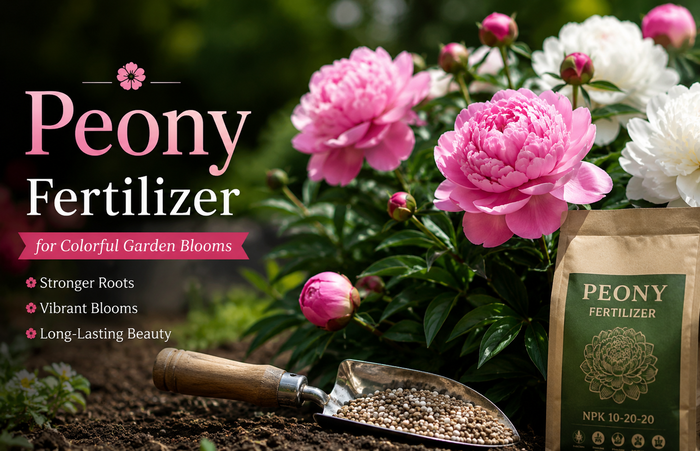
Peonies are loved for their large flowers and soft garden beauty. They can make a spring garden look rich and full. Their blooms come in shades of pink, white, red, coral, cream, and yellow. A healthy peony plant can become the main charm of a flower bed.
But peonies need the right care to bloom well. Good sunlight, good soil, steady water, and the right feeding routine all matter. This is where peony fertilizer becomes important.
Peony fertilizer helps the plant grow strong roots, healthy stems, and full blooms. It does not work like magic. It supports the plant when used at the right time and in the right amount.
If you want colorful garden blooms, you need to feed peonies with care. Too little food can weaken the plant. Too much food can create leafy growth with fewer flowers.
This guide explains how to use peony fertilizer in a simple and natural way.
Why Peonies Need Fertilizer
Peonies are long-lived plants. A well-planted peony can grow in the same garden spot for many years. Over time, the soil can lose some of its natural goodness.
Fertilizer helps refresh the soil around the plant. It gives peonies extra support during active growth. It also helps the plant prepare for the next bloom season.
A peony does not need constant feeding. It is not a plant that likes heavy fertilizer again and again. It needs balanced care.
The goal is simple. Feed the plant enough to support roots, stems, leaves, and flowers. Do not force it to grow too fast.
Best Time to Use Peony Fertilizer
The best time to use peony fertilizer is early spring. This is when new shoots start coming out of the ground. The plant wakes up after winter and begins to grow again.
A light feeding in early spring can support strong stems and better blooms.
You can also add a small amount after flowering. This helps the plant recover after bloom season. It also helps it store energy for next year.
Avoid feeding peonies late in the season. Late feeding can push soft new growth. That growth may not handle cold weather well.
A simple rule works best. Feed once in early spring. Feed lightly again after flowers fade if the plant looks like it needs support.
What Type of Fertilizer Is Best for Peonies
Peonies do best with a balanced flower fertilizer. Choose one made for flowering plants or garden perennials.
Avoid fertilizer that is too high in nitrogen. Nitrogen supports leaf growth. A little is useful. Too much can make the plant produce many leaves and fewer flowers.
For colorful blooms, peonies need steady support for roots and flower buds. A balanced fertilizer is usually better than a strong lawn fertilizer.
You can also use compost. Compost improves the soil slowly. It helps the soil hold moisture and supports healthy roots.
Many gardeners use both. They add compost around the plant and use a small amount of flower fertilizer during spring.
How to Apply Peony Fertilizer
Apply peony fertilizer around the plant. Do not place it directly on the crown or new shoots. Keep it a few inches away from the base.
Sprinkle the fertilizer around the outer root area. Then water the soil well. Water helps move the food into the soil.
Use only the amount shown on the fertilizer label. More is not better. Too much fertilizer can harm roots and reduce flowering.
If you use compost, spread a thin layer around the plant. Keep it away from the crown. The crown is the place where new growth comes up.
This simple step helps avoid rot and keeps the plant healthy.
Peony Fertilizer for Bigger Blooms
Many gardeners want bigger peony blooms. Fertilizer can help, but it is not the only thing that matters.
Peonies need full sun for strong flowering. They also need well-drained soil. If the plant sits in wet soil for too long, the roots can suffer.
Good bloom size comes from a mix of care. Use the right fertilizer. Give the plant enough sun. Water during dry spells. Keep weeds away. Cut old stems at the right time.
If your peony has many tiny buds, it may need better feeding or better light. If it has healthy leaves but no flowers, too much nitrogen or deep planting may be the problem.
Natural Feeding Options for Peonies
You can naturally feed peonies. Compost is one of the best choices. It improves soil texture and gives slow support to roots.
Well-rotted manure can also be useful. It should be fully aged before use. Fresh manure can be too strong and may damage plants.
Leaf mold is another gentle option. It adds organic matter and helps the soil feel rich and soft.
You can place these natural materials around the plant in a thin layer. Do not pile them against the stems.
Natural feeding works slowly. It may not give quick results like packaged fertilizer. But it helps the garden stay healthy over time.
Common Peony Fertilizer Mistakes
The first mistake is overfeeding. Peonies do not need heavy fertilizer. Too much can make the plant weak or too leafy.
The second mistake is using lawn fertilizer. Lawn fertilizer often has more nitrogen. This can push leaf growth instead of blooms.
The third mistake is placing fertilizer too close to the crown. This can burn tender growth or create rot problems.
The fourth mistake is feeding at the wrong time. Late feeding can encourage weak new growth.
The fifth mistake is expecting fertilizer to fix every issue. A peony may fail to bloom because of shade, deep planting, young age, poor drainage, or crowding.
Fertilizer helps. But it cannot replace good planting and care.
Signs Your Peony May Need Feeding
A peony may need feeding if the plant looks weak year after year. Thin stems, pale leaves, and small flowers can show poor soil.
If the plant grew well before but now blooms less, the soil may need support. Compost and a light fertilizer can help.
But look at the full plant first. If the peony gets too much shade, fertilizer will not solve the problem. If it was planted too deep, it may still refuse to bloom.
Check the location, soil, water, and plant age before adding more fertilizer.
Watering After Fertilizing
Watering after fertilizing is important. Dry fertilizer needs moisture to work well. Water helps carry nutrients into the soil.
Do not flood the plant. Peonies like moisture, but they do not like soggy roots.
Water at the base of the plant. Try not to wet the leaves too much. This helps keep the plant cleaner and healthier.
A slow deep watering is better than quick surface watering.
Mulch and Peony Health
Mulch can help peonies by keeping the soil cool and moist. It also reduces weeds.
Use a light layer of mulch around the plant. Keep it away from the crown. Too much mulch over the crown can cause problems. It can also make the plant act as if it was planted too deep.
Good mulch choices include shredded leaves, straw, bark, or compost.
Mulch supports the work of peony fertilizer. It helps protect the soil and keeps the garden neat.
Peony Fertilizer and Colorful Blooms
The color of a peony bloom comes mainly from the variety. Fertilizer will not turn a white peony into a red one.
But good feeding can help the plant show its best color. Healthy plants often produce stronger blooms. The petals may look fuller and fresher.
Good soil also helps the plant handle stress. A stressed peony may produce fewer flowers or smaller blooms.
So peony fertilizer supports color by improving plant health. It helps the plant reach its natural beauty.
The YourHomify community shares simple garden ideas and home inspiration for people who love natural outdoor spaces.
Simple Yearly Peony Feeding Plan
In early spring, remove old garden waste around the plant. Watch for new shoots.
Add a light amount of flower fertilizer around the root area. Water well.
Add compost as a thin top layer. Keep it away from the crown.
During bloom season, water during dry weather. Remove spent flowers after they fade.
After flowering, give a light feeding if the plant looks weak. Skip this step if the plant looks strong.
In fall, cut back dead stems after they turn brown. Keep the area clean.
This yearly plan is simple and easy to follow.
Final Thoughts
Peony fertilizer can help your plants grow strong and produce colorful garden blooms. The key is balance.
Feed peonies in early spring. Use a balanced flower fertilizer or compost. Avoid too much nitrogen. Keep fertilizer away from the crown. Water well after feeding.
Remember that fertilizer is only one part of peony care. Peonies also need sun, well-drained soil, correct planting depth, and steady care.
When all these things work together, your peonies can reward you with full, colorful, and beautiful blooms year after year.

 Arabic
 French
 Spanish
 Portuguese
 Deutsch
 Turkish
 Dutch
Dutch
 Italiano
 Russian
 Romaian
 Portuguese (Brazil)
 Greek
Greek
