


Melasma In Manchester – Effective Solutions for Brighter Skin
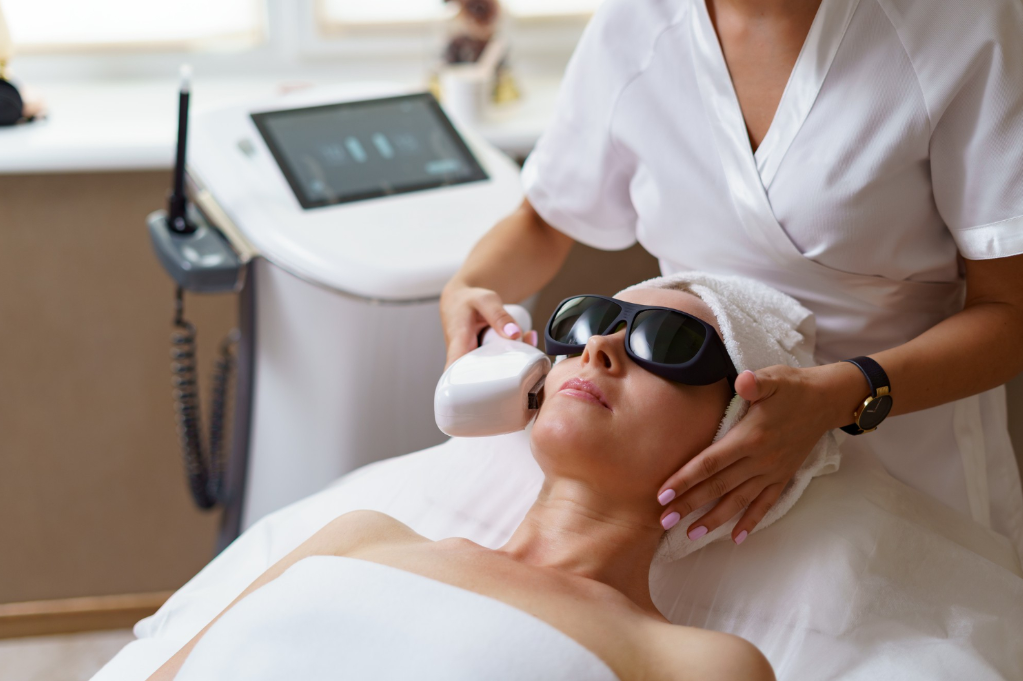
Melasma is a common skin condition that causes patches of dark pigmentation to develop on the face and other sun-exposed areas of the body. Although harmless, it can significantly affect a person’s confidence and overall appearance. Many individuals seek professional treatment to reduce discoloration and achieve a clearer, more even complexion. With modern aesthetic and dermatological treatments available today, managing Melasma In Manchester has become more effective than ever.
Understanding the causes, symptoms, and available treatment options can help individuals make informed decisions about their skin health and achieve long-lasting improvements.
What Is Melasma?
Melasma is a form of hyperpigmentation characterized by brown, gray-brown, or tan patches that typically appear on the cheeks, forehead, nose, chin, and upper lip. The condition occurs when melanocytes, the cells responsible for producing skin pigment, create excess melanin.
While melasma can affect anyone, it is more commonly seen in women and individuals with medium to darker skin tones. The condition often develops gradually and may become more noticeable after sun exposure.
Common Causes of Melasma
Several factors can contribute to the development of melasma. Understanding these triggers is essential for effective management and prevention.
Sun Exposure
Ultraviolet (UV) rays stimulate melanin production, making sun exposure one of the leading causes of melasma. Even brief periods outdoors without adequate protection can worsen pigmentation.
Hormonal Changes
Hormonal fluctuations are closely linked to melasma. Pregnancy, hormone replacement therapy, and certain contraceptive medications can trigger increased pigment production.
Genetic Factors
A family history of melasma may increase the likelihood of developing the condition. Individuals with relatives who have experienced pigmentation issues may be more prone to melasma.
Skin Irritation
Certain skincare products or treatments that irritate the skin can contribute to inflammation, which may lead to pigmentation changes over time.
Recognizing the Symptoms of Melasma
The primary symptom of melasma is the appearance of symmetrical patches of darker skin. These patches typically develop on areas frequently exposed to sunlight.
Facial Pigmentation
The most common locations include:
-
Forehead
-
Cheeks
-
Nose
-
Chin
-
Upper lip
Gradual Development
Unlike some skin conditions that appear suddenly, melasma usually develops slowly and becomes more noticeable over time.
No Physical Discomfort
Melasma generally does not cause itching, pain, or irritation. The concern is usually cosmetic rather than physical.
Why Professional Treatment Matters
While many over-the-counter products claim to reduce pigmentation, professional assessment is important for accurate diagnosis and effective treatment planning.
Specialists can determine the severity of pigmentation, identify contributing factors, and recommend customized treatment strategies. Seeking professional care for Melasma In Manchester can help individuals achieve better and more predictable outcomes.
Advanced Treatment Options for Melasma
Modern aesthetic medicine offers a variety of solutions to target pigmentation and improve skin tone.
Chemical Peels
Chemical peels use carefully selected acids to exfoliate the outer layers of the skin. This process encourages skin renewal and helps reduce the appearance of pigmentation.
Benefits include:
-
Improved skin texture
-
Brighter complexion
-
Enhanced skin cell turnover
-
Reduction of superficial pigmentation
Laser Treatments
Laser technology has become a popular option for treating melasma. Specific laser systems target excess pigment while preserving surrounding skin.
Laser treatments can help:
-
Break down pigmentation
-
Improve skin clarity
-
Promote a more even complexion
-
Enhance overall skin rejuvenation
Medical-Grade Skincare
Professional skincare products often contain ingredients designed to regulate melanin production and support skin renewal.
Common ingredients may include:
-
Vitamin C
-
Retinoids
-
Azelaic acid
-
Kojic acid
-
Niacinamide
These formulations can be integrated into a comprehensive treatment plan for Melasma In Manchester.
Microneedling
Microneedling stimulates the skin’s natural healing process by creating controlled micro-injuries. This encourages collagen production and may help improve uneven pigmentation when performed by experienced practitioners.
Combination Treatments
Many patients achieve optimal results through a combination of treatments. A personalized approach can address multiple factors contributing to pigmentation and support long-term skin improvement.
The Importance of Sun Protection
Sun protection plays a vital role in managing melasma and maintaining treatment results.
Daily Sunscreen Use
Broad-spectrum sunscreen should be applied every day, regardless of weather conditions. Consistent use helps prevent pigmentation from becoming darker.
Protective Clothing
Wearing hats, sunglasses, and protective clothing can reduce UV exposure and support skin health.
Avoiding Peak Sun Hours
Limiting outdoor activities during periods of intense sunlight can help reduce pigment stimulation.
Lifestyle Habits That Support Clearer Skin
Healthy lifestyle choices can complement professional treatments and contribute to better skin health.
Balanced Nutrition
A diet rich in vitamins, minerals, and antioxidants supports healthy skin function and recovery.
Consistent Skincare Routine
Using gentle cleansers, moisturizers, and dermatologist-recommended products can help maintain skin balance.
Stress Management
Managing stress may help support hormonal balance and overall wellness, which can indirectly benefit skin health.
What to Expect During a Consultation
A professional consultation is the first step toward developing an effective treatment strategy.
During the assessment, practitioners typically evaluate:
-
Skin type
-
Pigmentation depth
-
Medical history
-
Lifestyle factors
-
Previous treatments
This information helps create a customized plan tailored to individual needs and goals.
Long-Term Management of Melasma
Melasma often requires ongoing care and maintenance. Although significant improvements can be achieved, maintaining results typically involves continued sun protection and adherence to recommended skincare routines.
Regular follow-up appointments allow practitioners to monitor progress and adjust treatments as needed.
Why Choose Professional Care for Melasma
Professional treatment offers access to advanced technologies, personalized care, and evidence-based solutions. Individuals seeking treatment for Melasma In Manchester can benefit from expert guidance and customized treatment plans designed to improve skin tone and restore confidence.
At SLA Medical Clinic, patients receive comprehensive assessments and tailored treatment approaches aimed at addressing pigmentation concerns effectively. Through advanced aesthetic treatments and professional skincare recommendations, individuals can work toward achieving a brighter, healthier, and more even complexion.
Conclusion
Melasma can be a frustrating condition, but effective solutions are available. With advancements in aesthetic medicine, individuals now have access to a range of treatments that can significantly reduce pigmentation and improve overall skin appearance. Whether through chemical peels, laser therapies, microneedling, or medical-grade skincare, professional care can make a meaningful difference.
For those seeking expert support for Melasma In Manchester, a personalized treatment approach combined with proper skincare and sun protection can help achieve clearer, more radiant skin and long-lasting confidence.

 English
 Arabic
 French
 Spanish
 Portuguese
 Turkish
 Dutch
Dutch
 Italiano
 Russian
 Romaian
 Portuguese (Brazil)
 Greek
Greek
