


L5 S1 Disc Bulge Treatment: Causes, Symptoms, and the Most Effective Treatment Options
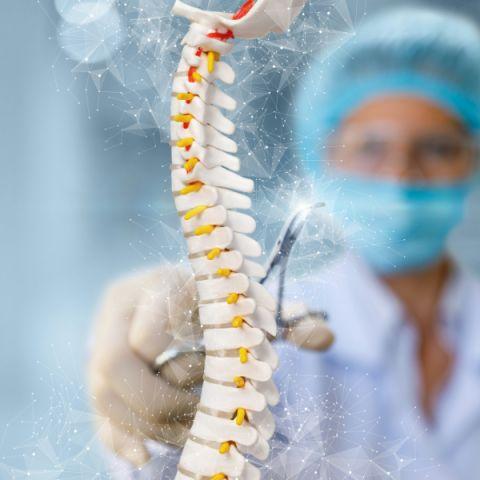
Lower back pain is one of the most common musculoskeletal problems affecting adults worldwide. Among the various causes of lower back pain, an L5 S1 disc bulge is one of the most frequently diagnosed spinal conditions. The L5-S1 segment is located at the junction between the lumbar spine and the sacrum, making it one of the most heavily stressed areas of the spine. When the disc at this level bulges outward, it can compress nearby nerves and lead to pain, numbness, weakness, and difficulty performing daily activities.
Understanding L5 S1 Disc Bulge Treatment is essential for patients seeking relief from symptoms and preventing further spinal complications. This guide discusses the causes, symptoms, diagnosis, and the most effective treatment options available for managing this condition.
Understanding the L5-S1 Disc
The spine consists of vertebrae separated by intervertebral discs that act as shock absorbers.
The L5-S1 disc is located between:
-
Fifth lumbar vertebra (L5)
-
First sacral vertebra (S1)
This area bears a significant portion of body weight and experiences considerable movement during bending, lifting, twisting, and walking.
Because of these stresses, the L5 S1 disc bulge is one of the most common spinal disorders affecting adults.
What Is an L5-S1 Disc Bulge?
A disc bulge occurs when the outer layer of the spinal disc weakens and extends beyond its normal boundaries.
Unlike a complete disc herniation, the disc material remains contained but protrudes outward.
An L5 S1 disc bulge can place pressure on nearby spinal nerves, particularly the sciatic nerve, leading to pain and neurological symptoms.
Early diagnosis and proper L5 S1 Disc Bulge Treatment can often prevent the condition from worsening.
Causes of L5-S1 Disc Bulge
Several factors can contribute to the development of a disc bulge at the L5-S1 level.
Age-Related Degeneration
As people age, spinal discs gradually lose water content and flexibility.
This natural degeneration can make discs more vulnerable to bulging.
Repetitive Strain
Activities involving repeated bending, lifting, and twisting place excessive stress on the lower spine.
Common examples include:
-
Heavy lifting
-
Manual labor
-
Sports activities
-
Poor workplace ergonomics
Sedentary Lifestyle
Weak core muscles and poor posture can increase spinal stress and contribute to disc problems.
Obesity
Excess body weight places additional pressure on the lower back and accelerates disc degeneration.
Trauma and Injury
Sudden impacts, falls, or accidents may cause an L5 S1 disc bulge by damaging the spinal structures.
Symptoms of an L5-S1 Disc Bulge
Symptoms vary depending on the severity of the bulge and whether nearby nerves are compressed.
Lower Back Pain
Persistent pain in the lower back is often the earliest symptom.
Pain may worsen during:
-
Sitting
-
Bending
-
Lifting
-
Prolonged standing
Sciatica
One of the most common symptoms is sciatic nerve irritation.
Patients may experience:
-
Sharp pain radiating down the leg
-
Burning sensations
-
Tingling
-
Numbness
Muscle Weakness
Compression of spinal nerves may cause weakness in:
-
Feet
-
Ankles
-
Legs
Reduced Mobility
Many patients find it difficult to:
-
Bend forward
-
Walk comfortably
-
Perform daily activities
Recognizing these symptoms early can help ensure timely L5 S1 Disc Bulge Treatment.
Risk Factors
Several factors increase the likelihood of developing an L5 S1 disc bulge:
-
Aging
-
Smoking
-
Obesity
-
Poor posture
-
Physically demanding occupations
-
Lack of exercise
-
Previous spinal injuries
Addressing these risk factors can reduce the likelihood of future spinal problems.
Diagnosis of L5-S1 Disc Bulge
Accurate diagnosis is crucial for determining the most effective treatment approach.
Medical History
The physician evaluates:
-
Pain patterns
-
Symptom duration
-
Activity limitations
-
Previous injuries
Physical Examination
The examination may assess:
-
Muscle strength
-
Reflexes
-
Flexibility
-
Sensory function
Imaging Studies
Diagnostic imaging often includes:
MRI Scan
MRI is the most effective method for identifying an L5 S1 disc bulge and assessing nerve compression.
X-Rays
Although discs are not directly visible, X-rays help evaluate spinal alignment and structural abnormalities.
CT Scan
CT scans may be recommended when additional spinal detail is required.
Proper evaluation guides the development of an effective L5 S1 Disc Bulge Treatment plan.
Non-Surgical L5 S1 Disc Bulge Treatment
Most patients improve without surgery.
Conservative treatment is usually the first recommendation.
Activity Modification
Patients should avoid activities that worsen symptoms, including:
-
Heavy lifting
-
Repetitive bending
-
Prolonged sitting
Temporary activity adjustments allow inflammation to decrease.
Medications
Common medications include:
-
Anti-inflammatory drugs
-
Pain relievers
-
Muscle relaxants
These treatments help manage symptoms while healing occurs.
Physiotherapy
Physiotherapy is one of the most effective forms of L5 S1 Disc Bulge Treatment.
Benefits include:
-
Improved flexibility
-
Better posture
-
Increased core strength
-
Reduced nerve irritation
Therapists design personalized exercise programs to support recovery.
Hot and Cold Therapy
Cold packs help reduce inflammation, while heat therapy can relax muscles and improve circulation.
Lifestyle Changes
Long-term improvements often require:
-
Weight management
-
Regular exercise
-
Proper lifting techniques
-
Ergonomic adjustments
These changes support spinal health and reduce recurrence risk.
Exercises for L5-S1 Disc Bulge
Exercise plays an important role in recovery.
Common exercises include:
Pelvic Tilts
Help strengthen core muscles and improve spinal stability.
McKenzie Extensions
Often used to reduce disc-related symptoms and improve spinal alignment.
Knee-to-Chest Stretch
Can help relieve lower back tension.
Walking
Low-impact walking promotes circulation and supports recovery.
Patients should perform exercises under professional guidance to avoid worsening symptoms.
Advanced Non-Surgical Treatments
If symptoms persist, additional treatments may be considered.
Epidural Steroid Injections
These injections help reduce inflammation around irritated nerves.
Benefits may include:
-
Reduced pain
-
Improved mobility
-
Temporary symptom relief
Injections are often combined with physiotherapy for optimal results.
When Is Spine Surgery Needed?
Although most patients improve with conservative care, surgery may be necessary in certain situations.
Indications include:
-
Severe nerve compression
-
Progressive muscle weakness
-
Loss of bowel or bladder control
-
Persistent pain despite treatment
In such cases, spine surgery may provide relief and prevent long-term nerve damage.
Types of Spine Surgery for L5-S1 Disc Problems
Several surgical options may be considered depending on the severity of the condition.
Microdiscectomy
A minimally invasive procedure that removes the portion of the disc pressing on the nerve.
Endoscopic Spine Surgery
Uses specialized instruments through small incisions to treat disc problems with minimal tissue disruption.
Spinal Fusion
In selected cases, fusion may be recommended to stabilize the spine.
Modern spine surgery techniques aim to minimize recovery time and improve patient outcomes.
Recovery After Treatment
Recovery varies depending on symptom severity and treatment type.
Non-Surgical Recovery
Most patients improve within:
-
Several weeks to a few months
Recovery depends on:
-
Physiotherapy participation
-
Lifestyle modifications
-
Symptom severity
Surgical Recovery
Recovery following spine surgery typically involves:
-
Pain management
-
Walking programs
-
Rehabilitation exercises
-
Gradual return to daily activities
Following medical guidance is essential for successful recovery.
Preventing Future Disc Problems
Preventive strategies can help reduce the risk of recurrence.
Recommendations include:
-
Maintaining a healthy weight
-
Exercising regularly
-
Strengthening core muscles
-
Practicing proper posture
-
Avoiding smoking
-
Using safe lifting techniques
These habits promote long-term spinal health.
Choosing the Right Hospital for Treatment
The quality of medical care significantly influences outcomes.
When selecting a healthcare provider, patients should consider:
-
Experienced spine specialists
-
Advanced diagnostic facilities
-
Comprehensive rehabilitation services
-
Modern treatment options
Many patients seek care at a Best Hospital for Spine Surgery in Delhi NCR because such facilities often provide multidisciplinary treatment and access to advanced surgical technology.
Importance of Early Treatment
Ignoring symptoms can allow nerve compression and spinal degeneration to worsen.
Seeking timely L5 S1 Disc Bulge Treatment may:
-
Prevent complications
-
Reduce pain
-
Improve mobility
-
Minimize the need for surgery
Early intervention often produces better long-term outcomes.
Conclusion
An L5 S1 disc bulge is a common spinal condition that can significantly affect daily life through pain, sciatica, and mobility limitations. Fortunately, most patients respond well to conservative L5 S1 Disc Bulge Treatment, including physiotherapy, medications, lifestyle modifications, and exercise programs.
When symptoms are severe or persistent, advanced interventions and spine surgery may be considered to relieve nerve compression and restore function. Choosing experienced specialists and a Best Hospital for Spine Surgery in Delhi NCR can further improve treatment outcomes.
With early diagnosis, appropriate care, and a commitment to rehabilitation, patients can successfully manage an L5 S1 disc bulge, reduce symptoms, and return to an active, healthy lifestyle.

 English
 French
 Spanish
 Portuguese
 Deutsch
 Turkish
 Dutch
Dutch
 Italiano
 Russian
 Romaian
 Portuguese (Brazil)
 Greek
Greek
