


How Long Does Wood Siding Last? Everything Homeowners Need to Know
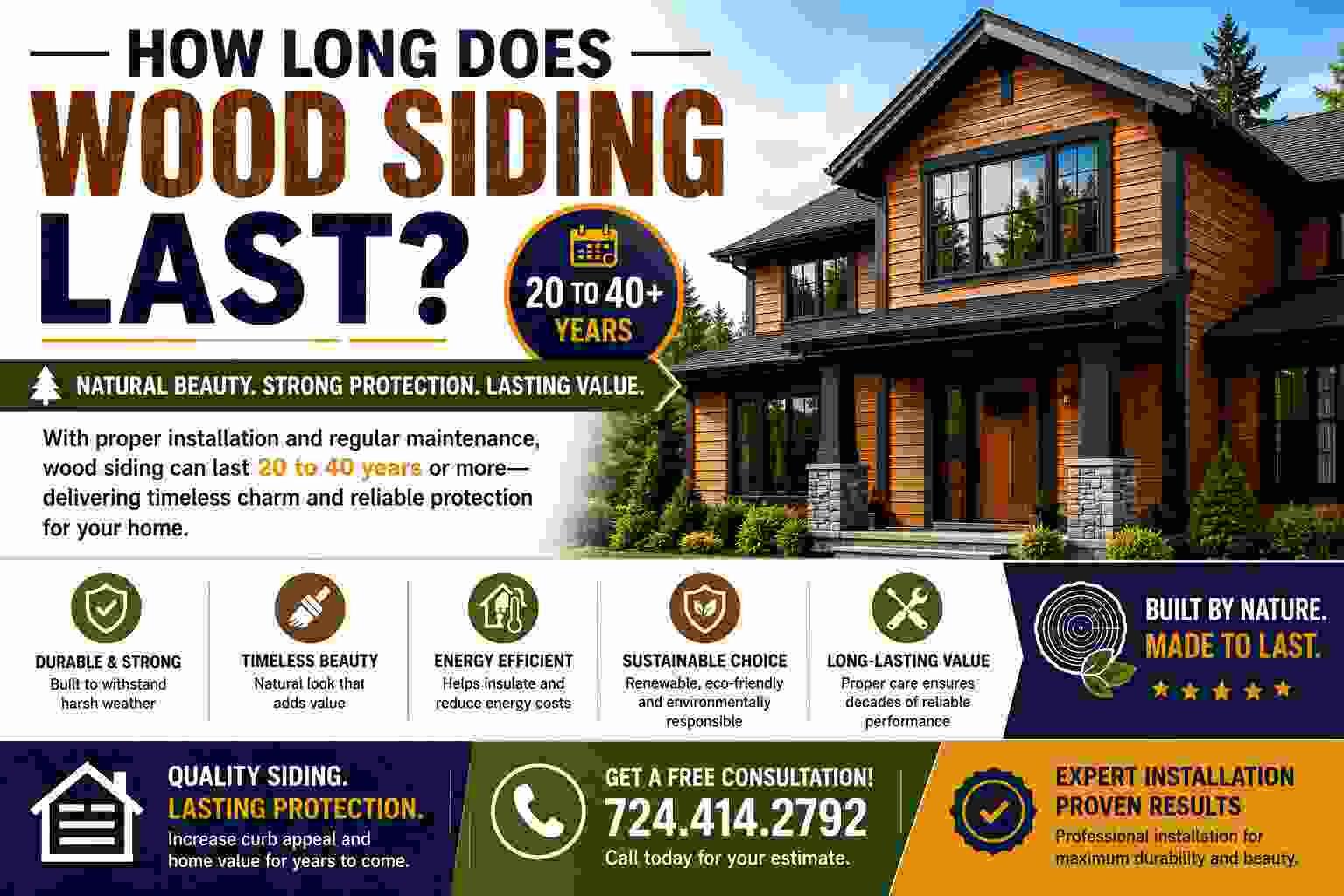
Wood siding has long been a favorite choice for homeowners due to its natural beauty, timeless appeal, and ability to enhance curb appeal. However, one of the most common questions homeowners ask before investing in this exterior material is: How long does wood siding last?
The lifespan of wood siding depends on several factors, including the type of wood used, installation quality, climate conditions, and maintenance practices. With proper care, wood siding can provide decades of protection and aesthetic value for your home.
How Long Does Wood Siding Last?
On average, wood siding lasts between 20 and 40 years, and in some cases, even longer when properly maintained.
The lifespan can vary based on:
-
Wood species
-
Climate conditions
-
Quality of installation
-
Maintenance routine
-
Exposure to moisture and sunlight
Premium wood siding products that receive regular maintenance may remain in excellent condition for 50 years or more.
Benefits of Wood Siding
Wood siding continues to be a popular choice because it offers several advantages.
Natural Beauty
Wood provides a warm, authentic appearance that many homeowners prefer over synthetic alternatives.
Customizable Appearance
Wood siding can be:
-
Painted
-
Stained
-
Refinished
-
Customized to match any architectural style
Excellent Insulation
Wood naturally helps improve a home's energy efficiency by providing additional insulation.
Increased Property Value
Well-maintained wood siding can enhance curb appeal and increase resale value.
Environmentally Friendly
Wood is a renewable and biodegradable building material, making it an eco-conscious choice for many homeowners.
Types of Wood Siding and Their Lifespan
Different wood species offer varying levels of durability.
Cedar Siding
Average Lifespan: 20–40+ Years
Cedar is naturally resistant to insects, moisture, and decay, making it one of the most durable wood siding options.
Redwood Siding
Average Lifespan: 30–50 Years
Redwood offers excellent resistance to rot and insect damage while providing a rich, attractive appearance.
Pine Siding
Average Lifespan: 20–30 Years
Pine is affordable but generally requires more maintenance than cedar or redwood.
Engineered Wood Siding
Average Lifespan: 20–30 Years
Engineered wood combines natural wood fibers with modern manufacturing techniques to improve durability and moisture resistance.
Factors That Affect Wood Siding Lifespan
Several factors influence how long wood siding lasts.
Proper Installation
Professional installation helps ensure:
-
Proper moisture barriers
-
Adequate ventilation
-
Correct fastening methods
-
Long-term durability
Improper installation can significantly shorten siding lifespan.
Climate Conditions
Weather exposure plays a major role in siding performance.
Factors include:
-
Heavy rainfall
-
Snow and ice
-
Humidity
-
Intense sunlight
-
Wind exposure
Homes in harsh climates may require more frequent maintenance.
Moisture Control
Excess moisture is one of the biggest threats to wood siding.
Moisture can lead to:
-
Rot
-
Mold growth
-
Warping
-
Structural damage
Keeping siding properly sealed helps prevent water infiltration.
Sun Exposure
Constant UV exposure can cause fading and deterioration over time.
Regular staining or painting helps protect wood surfaces from sun damage.
How to Extend the Life of Wood Siding
Homeowners can significantly increase siding longevity through routine maintenance.
Regular Cleaning
Remove dirt, mildew, and debris at least once or twice per year.
Repaint or Restain Periodically
Protective coatings help shield wood from moisture and UV damage.
Inspect Annually
Look for:
-
Cracks
-
Rot
-
Loose boards
-
Insect activity
Early detection prevents costly repairs.
Seal Gaps and Cracks
Prevent water intrusion by sealing vulnerable areas promptly.
Trim Vegetation
Trees and shrubs should be kept away from siding to reduce moisture retention and insect problems.
Signs Your Wood Siding Needs Repair or Replacement
Even well-maintained siding eventually shows signs of aging.
Rotting Wood
Soft or decaying sections often indicate moisture damage.
Cracking or Splitting
Weather exposure can cause wood to crack over time.
Warping
Warped boards may allow moisture to penetrate behind the siding.
Peeling Paint
Excessive peeling often signals the need for maintenance or replacement.
Mold and Mildew Growth
Persistent mold issues may indicate underlying moisture problems.
Increased Energy Bills
Damaged siding can reduce insulation effectiveness and increase heating and cooling costs.
Wood Siding vs. Other Siding Materials
Wood Siding
-
Lifespan: 20–40+ Years
-
Natural appearance
-
Requires regular maintenance
Vinyl Siding
-
Lifespan: 20–40 Years
-
Low maintenance
-
Affordable
Fiber Cement Siding
-
Lifespan: 30–50 Years
-
Highly durable
-
Weather resistant
Metal Siding
-
Lifespan: 40–70 Years
-
Low maintenance
-
Fire resistant
While some materials last longer, many homeowners choose wood siding because of its unmatched beauty and classic appearance.
Is Wood Siding Worth the Investment?
For homeowners who appreciate natural aesthetics and are willing to perform regular maintenance, wood siding offers exceptional value.
Benefits include:
-
Timeless curb appeal
-
Increased property value
-
Strong insulation properties
-
Customizable finishes
-
Long-lasting performance
When properly maintained, wood siding remains one of the most attractive and durable exterior cladding options available.
Professional Installation Matters
The longevity of wood siding depends heavily on installation quality.
Professional contractors ensure:
-
Proper moisture protection
-
Accurate installation
-
Code compliance
-
Manufacturer warranty protection
Expert installation helps maximize the lifespan and performance of your investment.
Conclusion
So, how long does wood siding last? In most cases, homeowners can expect wood siding to last between 20 and 40 years, with premium materials and proper maintenance extending its lifespan even further. Factors such as climate, installation quality, and routine upkeep all play important roles in determining longevity.
By investing in professional installation and following a regular maintenance schedule, homeowners can enjoy the beauty, durability, and value of wood siding for decades. If you're considering new siding for your home, wood remains an excellent choice for timeless style and long-term performance.

 English
 Arabic
 French
 Spanish
 Deutsch
 Turkish
 Dutch
Dutch
 Italiano
 Russian
 Romaian
 Portuguese (Brazil)
 Greek
Greek
