


Signs a Child May Need Extra Help With Daily Activities
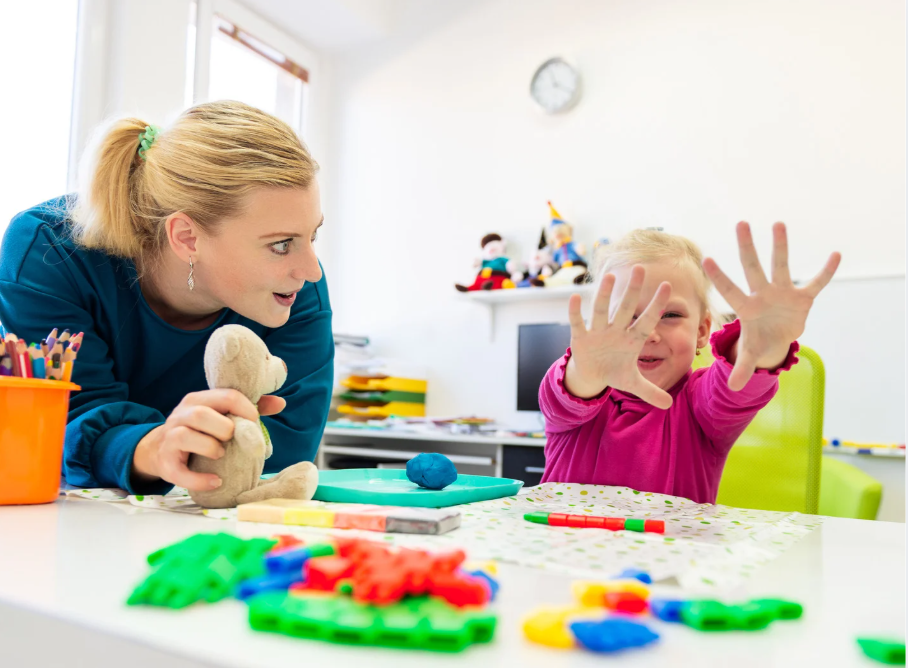
Everyday Challenges Can Affect Child Development
Children develop important life skills gradually as they grow. Tasks such as getting dressed, using cutlery, following instructions, and participating in school routines all require physical, emotional, and cognitive development. Some families begin exploring childrens occupational therapy when these everyday activities become difficult for their child to manage independently.
Difficulty With Fine Motor Skills
Trouble Holding and Using Objects
Fine motor skills involve the small muscle movements needed for everyday tasks. Children may experience difficulty holding pencils, using scissors, fastening buttons, or gripping small objects properly.
Some common signs include:
- Avoiding drawing or colouring activities
- Weak pencil grip
- Difficulty using utensils during meals
- Struggling with buttons or zips
- Messy handwriting compared to peers
Children who find these activities challenging may become frustrated or avoid participating altogether.
Slow Completion of Classroom Tasks
Children with weaker fine motor coordination may take longer to finish school activities. They may struggle to copy from the board, organise materials, or complete written work neatly.
Extra support can help improve hand strength, coordination, and confidence during classroom tasks.
Problems Following Daily Routines
Difficulty Managing Simple Tasks
Children who struggle with routines may need frequent reminders to complete basic activities such as brushing teeth, packing school bags, or preparing for bedtime.
These challenges may appear as:
- Forgetting steps in simple tasks
- Becoming easily distracted
- Difficulty transitioning between activities
- Relying heavily on adult assistance
- Poor organisational skills
Trouble Staying Focused
Attention difficulties can affect a child’s ability to participate in both learning and daily activities. Some children may become distracted easily or find it difficult to remain seated during tasks that require concentration.
Families often look into childrens occupational therapy when focus and attention difficulties begin interfering with school participation or home routines.
Sensory Responses That Seem Unusual
Overreaction to Sounds or Textures
Sensory processing influences how children respond to the environment around them. Some children may become overwhelmed by certain sounds, textures, smells, or bright lights.
Signs of sensory challenges may include:
- Covering ears in noisy environments
- Refusing certain clothing fabrics
- Avoiding messy play activities
- Becoming upset in crowded places
- Difficulty tolerating grooming activities
These responses can make daily routines stressful for both children and families.
Constant Movement or Seeking Sensory Input
Some children seek extra movement and physical input throughout the day. They may constantly jump, spin, crash into objects, or struggle to sit still during activities.
Sensory seeking behaviours can affect concentration and participation in classroom settings if left unsupported.
Delays in Self Care Skills
Difficulty With Independence
Self care tasks are an important part of child development. Children who struggle with dressing, feeding, toileting, or personal hygiene may require additional guidance and practice.
Signs may include:
- Difficulty tying shoelaces
- Trouble using cutlery
- Delayed toilet training
- Challenges with dressing independently
- Avoidance of self care routines
Building independence gradually helps children feel more capable and confident during daily activities.
Frustration During Routine Activities
Children may become upset or emotional when tasks feel too difficult. Frustration during simple routines can affect behaviour, confidence, and willingness to try new activities.
Positive encouragement and achievable goals often help children develop stronger coping skills and resilience.
Social and Emotional Difficulties
Challenges Interacting With Others
Social participation is an important part of learning and development. Some children may struggle with communication, turn taking, or understanding social situations.
Signs can include:
- Avoiding group activities
- Difficulty making friends
- Trouble understanding instructions
- Emotional outbursts during play
- Anxiety in social environments
Supportive strategies can help children improve communication and build stronger social connections.
Emotional Regulation Concerns
Children who experience emotional regulation difficulties may react strongly to small frustrations or changes in routine. They may find it hard to calm themselves after becoming upset.
Helping children understand emotions and practise calming strategies can improve behaviour and participation in everyday situations.
Movement and Coordination Difficulties
Clumsiness During Physical Activities
Gross motor skills support movement, balance, and coordination. Some children may appear clumsy or avoid physical activities because movement feels challenging.
Signs may include:
- Frequent tripping or falling
- Poor balance
- Difficulty catching or throwing balls
- Avoiding playground equipment
- Trouble riding a bike
Physical coordination difficulties can impact confidence during sports, play, and school activities.
Fatigue During Physical Tasks
Children with coordination challenges may tire more quickly during movement based activities. Extra effort required for physical tasks can affect overall participation and motivation.
Early support can help children strengthen coordination while improving confidence and independence.
FAQs
What is childrens occupational therapy?
Childrens occupational therapy supports children in developing skills needed for learning, movement, independence, and daily activities.
When should parents seek extra support for their child?
Parents may consider support if their child consistently struggles with self care, attention, movement, sensory processing, or classroom participation.
Can sensory difficulties affect behaviour?
Yes. Sensory challenges can influence emotional regulation, concentration, and responses to everyday environments.
How can families support children at home?
Families can encourage development through routines, play based learning, positive reinforcement, and opportunities for independent practice.

 Arabic
 French
 Spanish
 Portuguese
 Deutsch
 Turkish
 Dutch
Dutch
 Italiano
 Russian
 Romaian
 Portuguese (Brazil)
 Greek
Greek
