


Creating a GEO Style Guide for Your Content Team
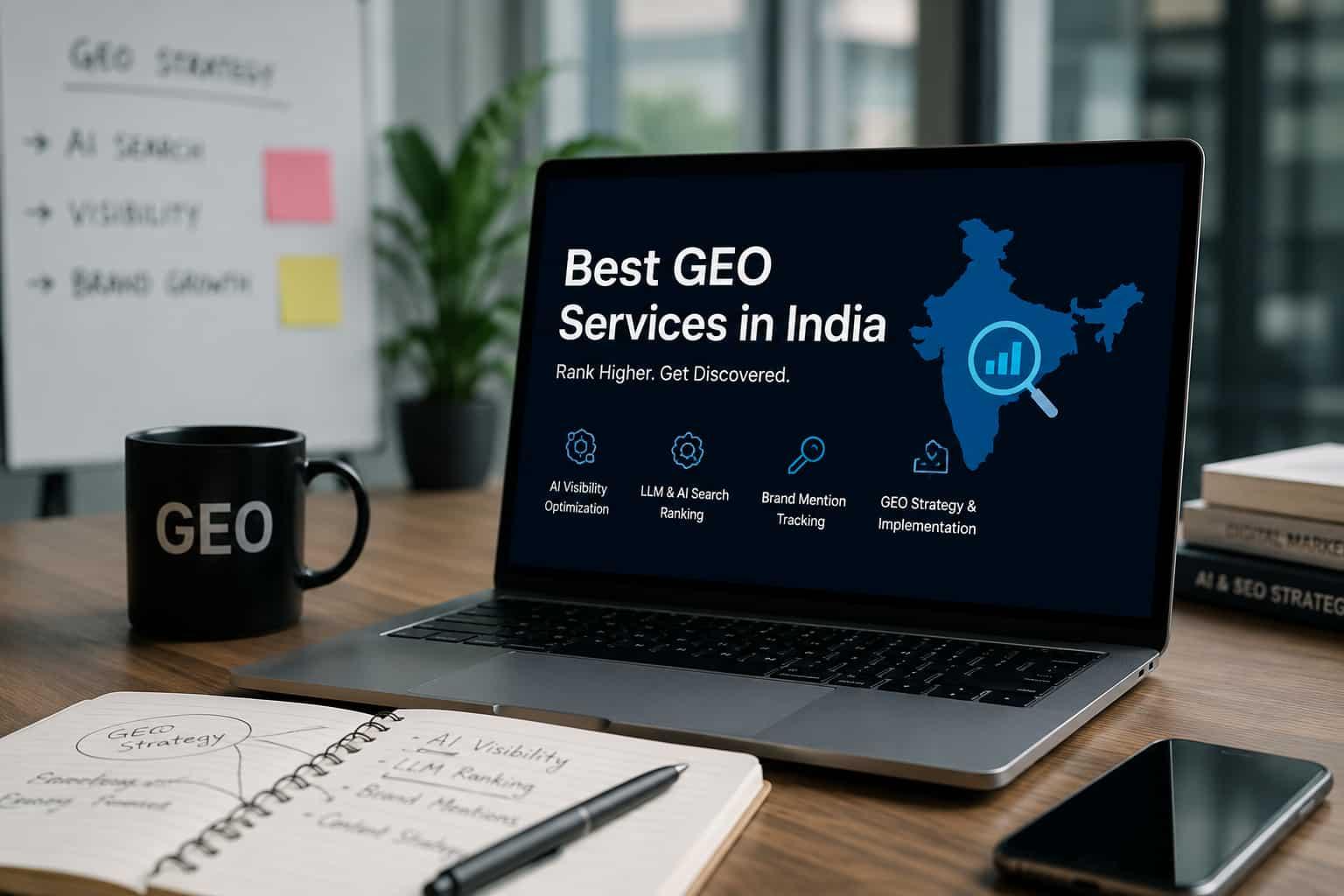
As content teams scale their output, maintaining consistent quality and structure across multiple writers becomes genuinely challenging. A dedicated GEO style guide solves this by codifying the specific standards that support strong AI citation potential, ensuring every piece of content regardless of who writes it reflects the same GEO Services in India best practices.
Why a Dedicated Style Guide Matters
General writing style guides typically address tone, grammar, and brand voice, but rarely address the specific structural and credibility requirements that influence AI citation. A GEO-specific style guide fills this gap, giving writers concrete, actionable standards rather than vague guidance to "write for AI search."
Core Sections to Include in Your GEO Style Guide
1. Content Structure Standards
Define specific requirements:
-
Every major section should open with a direct, 2–3 sentence answer before elaborating
-
Headings should be specific and question-oriented where natural, mirroring how users actually search
-
Paragraphs should generally run 2–4 sentences, with longer explanations broken into lists or tables
2. Author Attribution Requirements
Specify exactly what author information must accompany every piece:
-
Full name and relevant credentials or experience
-
A standard author bio format and length
-
Guidelines for when subject-matter expert review is required (particularly for YMYL-adjacent topics)
3. Sourcing and Fact-Checking Standards
Establish clear rules:
-
All statistics and factual claims must be verified against credible sources
-
Guidelines for how many sources should typically support a substantive claim
-
Process for flagging content that requires additional expert review before publishing
4. FAQ Section Requirements
Define when and how FAQ sections should be included:
-
Criteria for identifying genuinely relevant, commonly asked questions to address
-
Format standards (question phrasing, answer length and directness)
-
Requirement for FAQ schema implementation
5. Keyword and Terminology Integration Guidelines
Provide clear guidance on natural keyword integration:
-
Target keywords should be integrated naturally within sentences, never forced or repeated excessively
-
Guidance on how many times a target keyword phrase should reasonably appear, avoiding stuffing
-
A reminder that clarity and genuine usefulness take priority over keyword placement
6. Content Freshness and Update Standards
Specify:
-
How "last updated" dates should be displayed
-
Volatility categories (as outlined in your broader content maintenance strategy) and corresponding review frequency
-
Process for flagging and updating outdated statistics or claims
7. Schema and Technical Formatting Requirements
Even if a technical team implements schema markup, writers should understand:
-
Which content types require specific schema (FAQ, Article, Review)
-
How to structure content (clear headings, consistent formatting) to support clean schema implementation
Step 1: Involve Both Content and Technical Stakeholders in Development
A genuinely useful GEO style guide requires input from both content/editorial teams (who understand writing craft) and technical SEO specialists (who understand what specifically drives AI citation) building this collaboratively avoids a guide that's either technically sound but impractical to write from, or well-written but technically incomplete.
Step 2: Provide Concrete Examples, Not Just Rules
For each guideline, include a clear "before and after" example showing generic, non-GEO-optimized content transformed into content that reflects your style guide standards concrete examples make abstract rules significantly easier for writers to apply consistently.
Step 3: Build in a Review and Feedback Process
Establish how content will be reviewed against the style guide before publishing, and create a feedback loop where writers can ask questions or flag ambiguous situations the guide doesn't clearly address.
Step 4: Treat the Style Guide as a Living Document
As you track content performance and learn what specifically drives better AI citation for your business, update the style guide accordingly treating it as a continuously improving resource rather than a document written once and never revisited.
How This Supports Working With External Writers or Agencies
A clear, well-documented GEO style guide makes it significantly easier to onboard freelance writers or work with an external geo agency in india, since expectations are documented explicitly rather than relying on verbal explanation or writers inferring standards from example content alone.
Common Mistakes in Style Guide Development
-
Creating overly rigid rules that produce formulaic, repetitive-sounding content
-
Failing to update the guide as GEO best practices continue evolving
-
Not providing concrete examples, leaving writers to interpret abstract guidelines inconsistently
-
Building the guide without technical SEO input, missing important structural requirements
Conclusion
A dedicated GEO style guide transforms scattered, inconsistent content standards into a clear, actionable resource that helps every writer on your team consistently produce content aligned with your broader ai seo services in india strategy. Investing the time to build this resource thoughtfully pays off in more consistent quality and stronger AI citation potential across your entire content library.

 English
 French
 Spanish
 Portuguese
 Deutsch
 Turkish
 Dutch
Dutch
 Italiano
 Russian
 Romaian
 Portuguese (Brazil)
 Greek
Greek
