


7 Things Students Wish They Knew Before Choosing a College in Oman
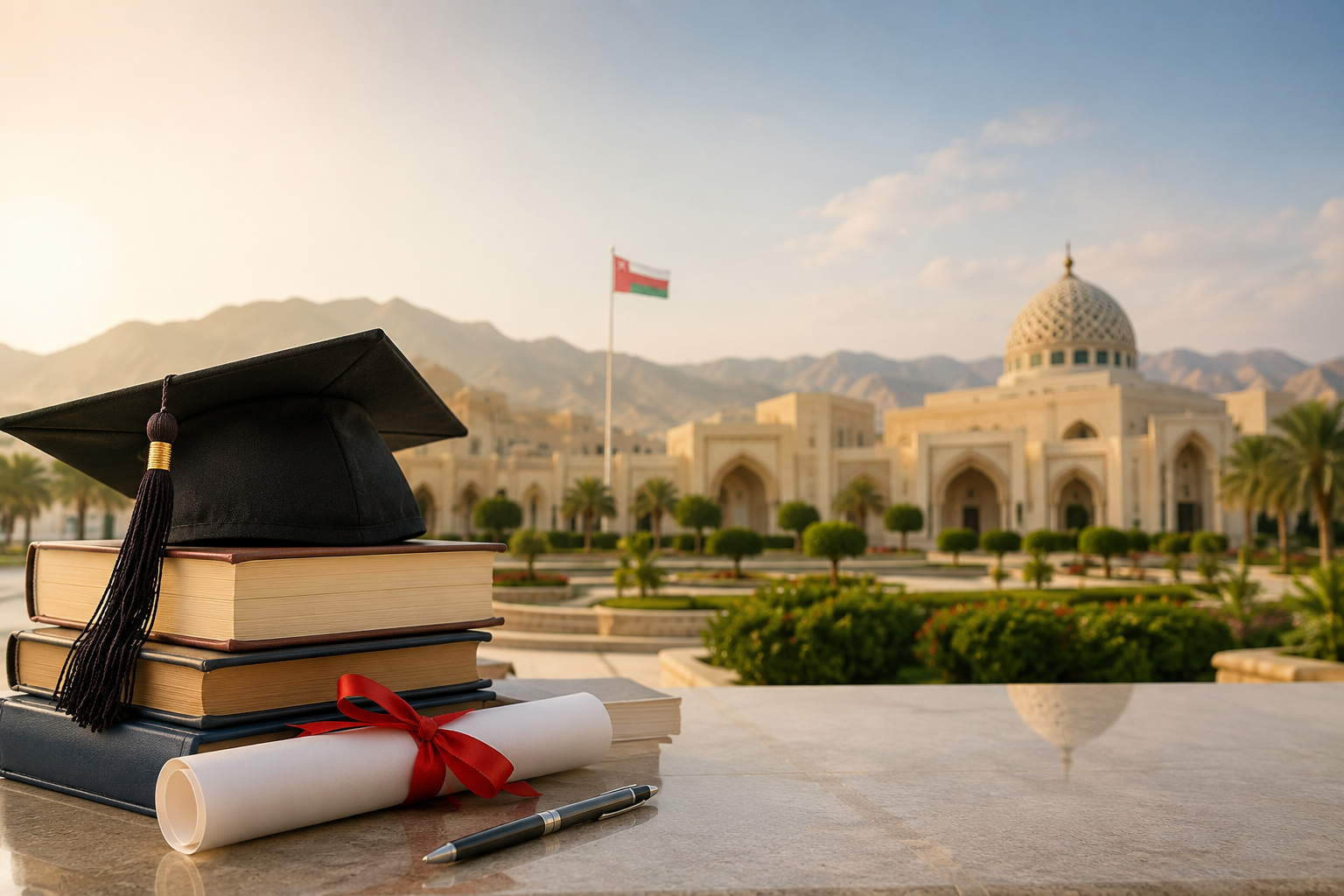
Pick a college in Oman, and you've basically picked your next four years, who you'll study with, what doors open afterward, even where you'll end up living. Yet most students don't realize what actually mattered until they're already a semester into the choice. Every year, school leavers flip through prospectuses, weigh which higher education university in Oman feels right for them, and pick from a list of the best colleges in Oman based on a slick brochure, a cousin's opinion, or just how close it is to home. A few months in, the questions start: what does accreditation actually mean? Why does an international partnership change anything? Is there even anyone in the careers office once classes start? Here's what former students say they wish someone had told them before they signed anything.
1. Accreditation Is the Foundation, Not a Footnote
Almost every college's "About" page mentions accreditation somewhere near the bottom, and almost nobody reads that far. That's a mistake. In Oman, institutional accreditation from the national quality assurance authority decides whether a degree gets recognized by government ministries, professional bodies, and employers outside the country. Here's the part most applicants miss: re-accreditation going through a second, tougher review after the first one means something different than accreditation alone. It shows years of sustained quality, not a single approval that happened once and was never checked again. Before applying anywhere, it's worth finding out whether a college has been accredited once or has actually gone through that second round. It's one line on a website, and it tells you more than the entire marketing brochure.
2. An International University Partnership Changes What the Degree Is Worth
Two degrees can look almost identical on paper and still not be worth the same thing. A programme built in academic partnership with an established international university tends to follow externally moderated coursework, which matters more than it sounds, it means someone outside the country is checking the standards too. It also tends to open a smoother path into postgraduate study abroad and carries more weight with employers who hire across borders. Graduates who didn't know this going in often spend their first job interviews explaining their degree instead of just handing it over.
3. Professional Courses in Oman Can Matter as Much as the Degree Itself
Here's something a lot of students only learn after they've graduated: a standard bachelor's degree, on its own, competes against hundreds of nearly identical ones in finance, accounting, and marketing. Add an internationally recognized professional certification ACCA, CMA, CIM, CILT, that kind of thing and the CV suddenly has something a degree alone doesn't: a credential that recruiters in banking, logistics, and corporate finance are specifically screening for. Programmes that build professional courses in Oman into the curriculum itself, rather than leaving students to chase them separately (and pay for them separately) after graduation, end up saving people real time and real money.
4. Career Support Decides What Happens After Graduation
Nobody asks about the careers office on a campus tour. Maybe they should. A real career and industry engagement function, one that actually runs internships, brings employers onto campus to recruit, and keeps tabs on where alumni land jobs predicts what happens after graduation far better than anything written in a brochure. Ask a final-year student which office they leaned on after their last exam. It's almost never admissions.
5. Location Decides How You Live, Not Just How You Commute
A campus an hour outside Muscat can look exactly the same as one in the city center, on a website, anyway. In person, the difference shows up daily. Among the choices for a higher education university in Oman, a campus closer to the capital usually means easier access to internships, public transport, part-time jobs, and family nearby, plus more accommodation options for students coming from elsewhere. Plenty of graduates only work out how much the commute, the transport cost, and the distance from internship opportunities actually mattered after they'd already committed four years to a campus that was harder to reach.
6. The Real Cost Is More Than the Headline Tuition Figure
The number on the brochure is rarely the number you end up paying. Registration fees, resit charges, lab and library fees, accommodation, transport, they all stack up differently depending on where you go. A fee structure that's published in full, before enrollment, is worth far more than a single headline figure, because it lets a family actually plan four years of spending instead of discovering new charges every semester. Ask for the full breakdown. Ask about scholarships and installment plans too. Do it before signing anything, not after.
7. Campus Culture Decides Whether Students Actually Finish
Academic standards get someone admitted. What gets them to graduation is usually something else entirely, a library that's actually stocked, a student services office that picks up the phone, accommodation close enough to matter, a campus culture that doesn't run on rigid hierarchy. Ask any graduate what got them through a rough semester, and it's rarely "the curriculum." It's almost always the people and the support system around them.
Choosing With Open Eyes
None of this shows up clearly in a glossy prospectus, which is exactly why so many students only learn it after enrolling somewhere else. A better approach: treat accreditation status, international affiliation, built-in professional certifications, career support, location, transparent fees, and campus culture as an actual checklist when comparing the best colleges in Oman, instead of going on name recognition alone. The institutions worth a second look are usually the ones that publish this kind of information openly accreditation status, fee structure, certification pathways, all of it rather than burying it three clicks deep or leaving it out entirely. An extra evening spent checking these seven things before applying costs a lot less than finding them out the hard way, halfway through the first year.
FAQs
1. What is the most important factor to consider when choosing a college in Oman?
Accreditation should be one of the first things students check. An accredited institution ensures that the degree is recognized by employers, professional bodies, and higher education institutions both within Oman and internationally.
2. Why are international university partnerships important for students?
International partnerships can enhance the quality and recognition of a degree. They often provide access to globally aligned curricula, opportunities for further study abroad, and qualifications that are valued by multinational employers.
3. Should students consider professional certifications alongside their degree?
Yes. Professional certifications such as ACCA, CMA, CIM, or CILT can significantly improve employability by providing industry-specific skills and credentials that employers actively seek.
4. How can students evaluate the career support offered by a college?
Students should ask about internship opportunities, employer engagement activities, career counseling services, graduate employment rates, and alumni success stories. Institutions such as Majan University College place strong emphasis on career development and industry engagement to help students prepare for the job market.
5. Why is campus location an important factor when selecting a college?
Location affects much more than commuting time. It can influence access to internships, networking opportunities, accommodation options, public transport, and overall student life, all of which contribute to a more rewarding educational experience.

 English
 Arabic
 French
 Spanish
 Portuguese
 Deutsch
 Dutch
Dutch
 Italiano
 Russian
 Romaian
 Portuguese (Brazil)
 Greek
Greek
